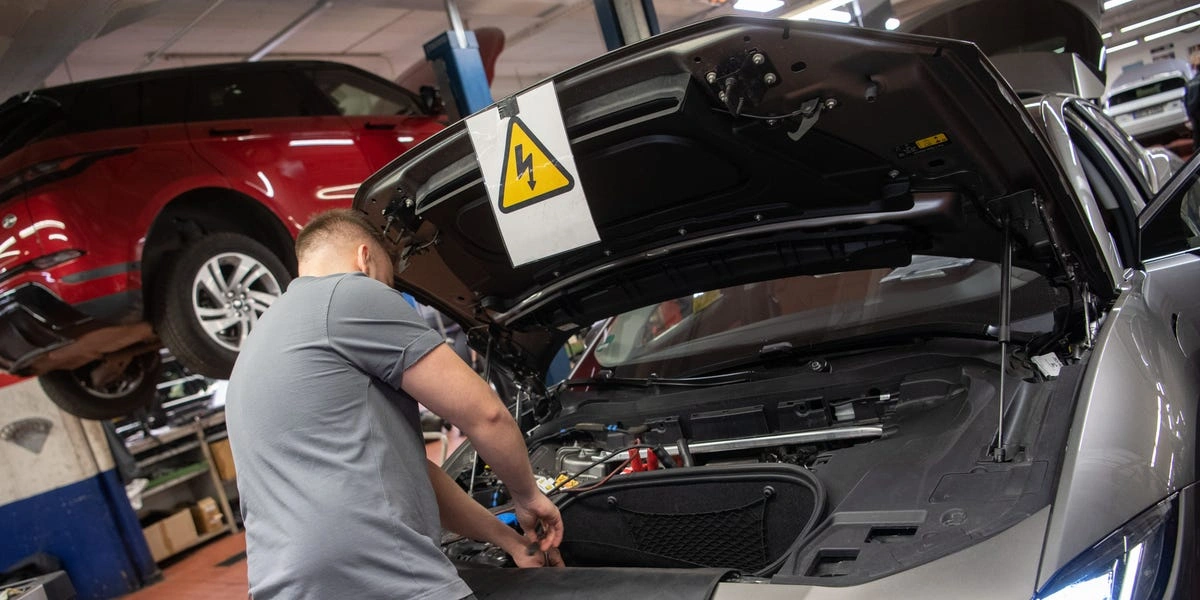
Mastering electric car maintenance is essential for modern drivers transitioning away from internal-combustion engines. While electric vehicles (EVs) boast fewer moving parts and generally lower mechanical upkeep, they remain highly complex machines that require specialized care. This guide is designed for current EV owners and prospective buyers who need to understand the exact maintenance requirements to maximize battery lifespan and avoid unexpected repair bills. By following these manufacturer-recommended protocols, drivers can significantly reduce long-term operational costs and maintain optimal vehicle performance.
The automotive industry's rapid shift toward electrification has created a common misconception that EVs are entirely maintenance-free. In reality, the shift simply transfers the maintenance focus from engine oil and spark plugs to thermal management systems, high-voltage batteries, and heavy-duty suspension components. Understanding this shift is critical for market positioning, as the total cost of ownership relies heavily on how well these specific EV components are managed over a decade of use.
Maximizing EV Battery Lifespan
The battery pack is the most expensive component of any electric vehicle, making its preservation the top priority for owners. According to the United States National Renewable Energy Laboratory (NREL), modern EV batteries are predicted to have a service life of 12 to 15 years when operated in moderate climates. However, this lifespan drops significantly to between 8 and 12 years if the vehicle is regularly subjected to extreme environmental conditions. Automakers mitigate this by integrating sophisticated auxiliary cooling and heating systems to keep battery temperatures within acceptable operational thresholds.
Charging habits play a direct role in battery degradation. While fast charging offers undeniable convenience during road trips, relying on it exclusively accelerates battery wear compared to slower 120-volt or 240-volt home charging setups. Furthermore, fast charging is economically inefficient for daily use, costing three to four times more per kilowatt-hour than residential electricity rates. For instance, fully fast-charging a Hummer EV from an empty state can cost up to $100, bringing the fueling cost on par with traditional gas-powered vehicles.
To actively extend the life of an EV battery, owners should follow these actionable steps:
- Set the vehicle's daily charging limit to 85 or 90 percent, as recommended by most automakers, to prevent full-capacity degradation.
- Avoid depleting the battery pack to zero percent energy whenever possible.
- Utilize slower 120-volt or 240-volt home chargers for routine daily charging, reserving fast chargers strictly for long-distance travel.
Cooling Systems and Essential Fluids
Converting electricity into mechanical energy generates substantial heat, requiring robust thermal management to protect powertrain components. Depending on the manufacturer, EVs utilize either air cooling or specialized liquid coolants and refrigerants. For vehicles equipped with liquid cooling, periodic system flushes and recharges are mandatory. The owner's manuals for the Ford Mustang Mach-E and the F-150 Lightning explicitly recommend inspecting cooling system hoses, fluid levels, and coolant strength at six-month intervals. Similarly, the Porsche Taycan requires coolant level checks as part of its routine service schedule.
Beyond thermal management, EVs share several fluid requirements with traditional cars. Windshield washer fluid and wiper blades require regular replacement. Brake fluid is also critical; despite the reduced wear on mechanical brakes, the fluid itself degrades over time. Ford mandates replacing the brake fluid in both the Mustang Mach-E and the F-150 Lightning every three years to ensure the binders modulate correctly.
Brakes, Tires, and Heavy-Duty Wear
Electric vehicles utilize regenerative braking, a system that recovers kinetic energy to slow the car while feeding power back into the battery. This significantly reduces the frequency of mechanical brake usage, allowing brake pads and rotors to last much longer than those on gas-powered cars. However, this infrequent use introduces a new maintenance requirement: preventing the mechanical brakes from seizing. Tesla's official service schedule requires lubricating the brake calipers every 12 months or 12,500 miles for vehicles operating in areas that use salt to melt winter snow and ice. This specific service costs approximately $100 for a Tesla Model 3, mirroring the cost of a traditional oil change.
Tire wear is arguably the most noticeable increased expense for EV owners. The substantial weight of the battery packs places immense stress on the rubber, leading to more frequent replacements. A long-term test of a Tesla Model 3 equipped with Michelin Primacy MXM4 tires revealed that the tires required replacement after just 30,000 miles. These specific tires, designed with shallower tread depths to maximize aerodynamic range, cost a staggering $1157 to replace, highlighting a significant hidden cost of EV ownership.
| Component / Service | Vehicle Model | Recommended Interval / Lifespan | Estimated Cost / Note |
|---|---|---|---|
| Battery Service Life | General EVs (Moderate Climate) | 12 to 15 years | Data via NREL |
| Cooling System Check | Ford Mustang Mach-E / F-150 Lightning | Every 6 months | Inspect hoses and fluid strength |
| Brake Fluid Replacement | Ford Mustang Mach-E / F-150 Lightning | Every 3 years | Mandatory fluid flush |
| Brake Caliper Lubrication | Tesla Model 3 | 12 months or 12,500 miles | Approximately $100 (in salty/snowy areas) |
| Tire Replacement | Tesla Model 3 (Michelin Primacy MXM4) | 30,000 miles | $1157 for a full set |
Frequently Asked Questions
Does fast charging damage an electric car battery?
Yes, frequent use of fast chargers degrades the battery pack at a quicker rate than standard 120-volt or 240-volt home charging. It is best reserved for road trips rather than daily use.
Do electric cars need brake pad replacements?
Yes, but much less frequently than gas cars due to regenerative braking. However, the brake calipers may require annual lubrication to prevent seizing, especially in cold climates.
Why do EV tires wear out so quickly?
Electric vehicles are significantly heavier than traditional cars due to their large battery packs. This extra weight, combined with the instant torque of electric motors, accelerates tire tread wear.
My Take
The narrative that electric vehicles are entirely cheap to maintain requires a reality check when you look at the hard data. While it is true that you avoid routine engine maintenance, the $1157 replacement cost for Michelin Primacy MXM4 tires at just 30,000 miles on a Tesla Model 3 proves that EVs simply shift the financial burden to different consumable parts. Furthermore, the revelation that fast-charging a Hummer EV can cost up to $100 shatters the illusion of universally cheap electric fueling. For the industry to sustain mainstream EV adoption, automakers must prioritize developing more durable, EV-specific tire compounds and heavily subsidize residential charging infrastructure, as relying on public fast chargers is proving to be both detrimental to battery health and economically unviable for the average consumer.