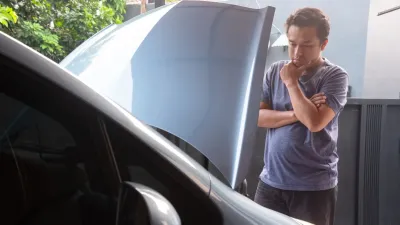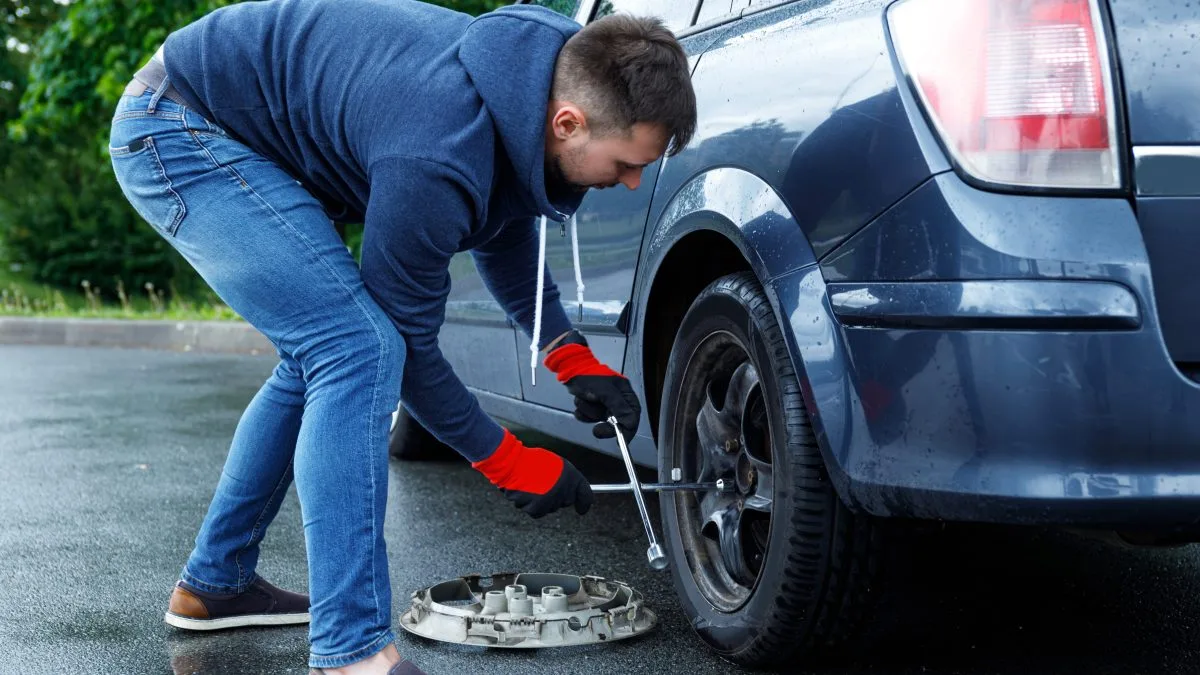
Picture yourself stranded on a hot, deserted road after catching debris with your rear tire. As the telltale sound of a blowout echoes and your TPMS light starts flashing urgently, you pull over to the shoulder. If a pair of headlights appears on the horizon, a new global study reveals that you are likely hoping for anyone but a Gen Z driver to step out and offer assistance.
According to a comprehensive survey of 3,000 motorists worldwide conducted by the UK arm of Autotrader, younger drivers face a severe credibility crisis when it comes to basic car maintenance. Globally, a mere 2% of drivers trust Gen Z (currently aged 14 to 29) to successfully change a tire. In countries like the United States, the United Kingdom, Portugal, and Australia, that figure plummets to exactly zero.
The only demographic scoring as poorly as Gen Z is the Silent Generation, a group rapidly approaching the century mark and largely aging out of the driving population. Meanwhile, Gen X has overwhelmingly secured the world's confidence, earning the top spot for mechanical reliability across almost every surveyed nation.
Car knowledge has always been passed down through hands-on experience, through parents, mechanics, and years of figuring things out at the roadside. What we're seeing now is a generational shift in how that learning happens, not a loss of appetite for it.
- Tom Roberts, Autotrader
Despite the lack of external faith, Gen Z drivers maintain a surprising level of self-assurance. Depending on the country, between 30% and 45% of Gen Z respondents expressed confidence in their ability to perform basic repairs. Furthermore, of those who have actually attempted a DIY auto repair, the vast majority - including 88% in Italy and 86% in the UK - reported that they successfully completed the task without making the situation worse.
Global Trust in Automotive Repair by Generation
The Autotrader data highlights a stark contrast in generational trust across different regions, with Gen X dominating the reliability metrics while Gen Z and the Silent Generation sit at the bottom.
| Country | Most Trusted Generation | % Trusting Them | Least Trusted Generation | % Trusting Them |
|---|---|---|---|---|
| USA | Gen X | 67% | Gen Z | 0% |
| Portugal | Gen X | 64% | Gen Z | 0% |
| Netherlands | Gen X | 63% | Gen Z | 2% |
| Ireland | Gen X | 62% | Silent Generation | 0% |
| Spain | Gen X | 62% | Silent Generation | 0% |
| UK | Gen X | 61% | Gen Z | 0% |
| New Zealand | Gen X | 60% | Silent Generation | 0% |
| Greece | Gen X | 59% | Silent Generation | 0% |
| Australia | Gen X | 58% | Gen Z | 0% |
| Germany | Gen X | 56% | Silent Generation | 2% |
| Italy | Gen X | 56% | Gen Z | 1% |
| Canada | Gen X | 55% | Gen Z | 1% |
| France | Gen X | 53% | Silent Generation | 1% |
| Poland | Gen X | 50% | Silent Generation | 1% |
| South Africa | Millennials | 46% | Silent Generation | 1% |
Cultural differences also dictate how drivers react to a breakdown. Globally, 39% of drivers call a friend or family member first, 30% contact a breakdown service, and 19% reach out to a professional mechanic. Only 6% immediately search for online advice, and another 6% attempt a solo fix. However, the United States leads the world in automotive self-reliance, with 10% of Americans stating they would attempt to fix the issue themselves before calling anyone.
How to Handle a Roadside Breakdown
Whether you are a seasoned Gen X mechanic or a Gen Z driver relying on digital guides, handling a sudden vehicle failure requires a systematic approach to ensure safety and prevent further damage.
- Secure the Vehicle: Immediately pull over to a safe, flat area away from active traffic. Engage your parking brake and turn on your hazard lights to alert other motorists.
- Assess the Damage: Visually inspect the vehicle to identify the problem, such as a flat tire, leaking fluids, or smoke. Do not attempt to open the hood if you see flames or smell burning plastic.
- Consult Digital Resources: If you lack hands-on experience, leverage modern tools. Search for specific video tutorials for your exact vehicle model, or use AI-based assistants to diagnose warning lights and locate the spare tire or tire slurry kit.
- Attempt Basic Fixes or Call for Help: If you are confident and have the right tools, proceed with swapping the tire. If the repair requires getting underneath the vehicle without proper jack stands, or if you feel unsafe, immediately contact a roadside assistance service.
The Digital Shift in Automotive Diagnostics
The narrative that Gen Z is entirely helpless on the side of the road misses a crucial technological evolution in the automotive industry. While Gen X earned its credibility through decades of hands-on, trial-and-error experience with mechanical components, modern vehicles are essentially rolling computers. Today's cars are governed by complex sensor networks, advanced driver-assistance systems (ADAS), and proprietary software that cannot be fixed with a simple wrench.
This is where Gen Z's approach actually aligns with the future of automotive repair. The Autotrader study notes that 86% of Gen Z drivers in the UK would use AI for car maintenance guidance. Instead of blindly tinkering under the hood - a practice that can easily void warranties or damage sensitive electronics in modern EVs - younger drivers are instinctively turning to digital diagnostics and AI-driven troubleshooting.
As the industry transitions toward software-defined vehicles, the definition of "basic maintenance" is changing. The ability to quickly parse technical forums, query an AI for specific error codes, and follow step-by-step digital tutorials will soon become just as valuable as knowing how to manually gap a spark plug. Gen X may hold the crown for traditional mechanical trust today, but Gen Z is actively building the digital troubleshooting skills required for the next generation of automobiles.