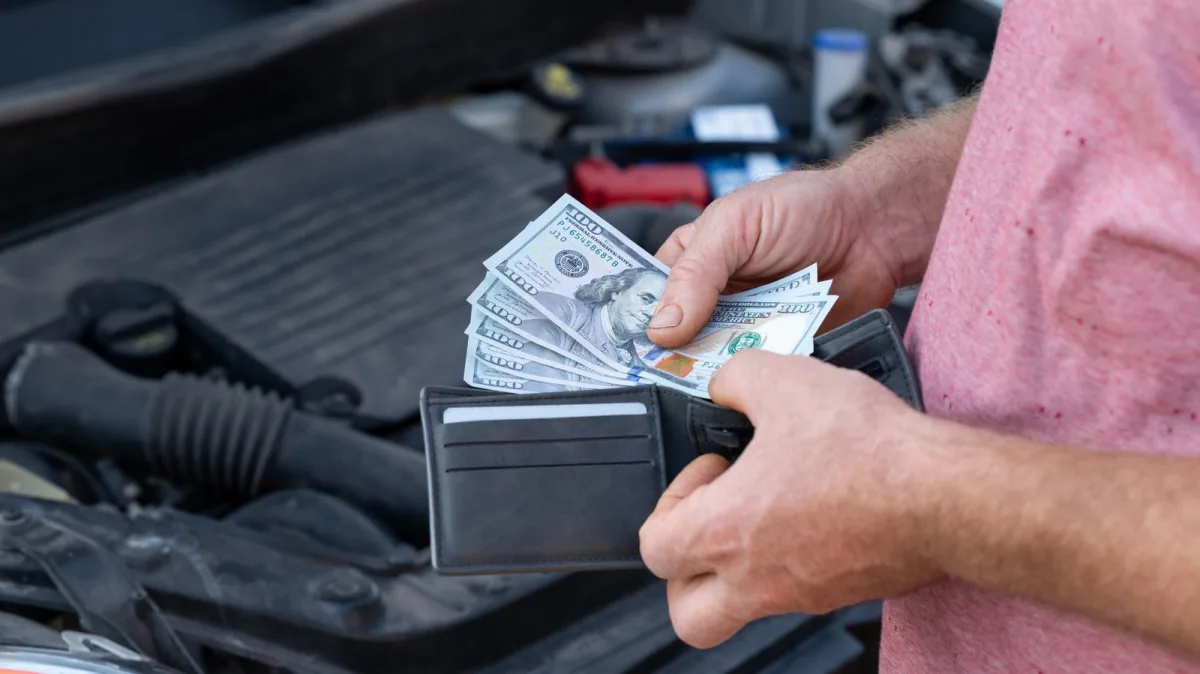
Holding onto an older vehicle to avoid the sting of new car prices is rapidly losing its financial appeal as car repair costs hit record highs. According to 2026 Consumer Price Index data, motor vehicle maintenance and repair costs surged consistently through the first half of the year, peaking with a 2.4% jump in February and a 2.1% rise in June. Overall, these figures sit roughly 5% higher compared to the same period in 2025. This upward trajectory is driven by a perfect storm of supply chain bottlenecks, senseless tariffs, and a severe shortage of skilled technicians capable of servicing modern vehicles.
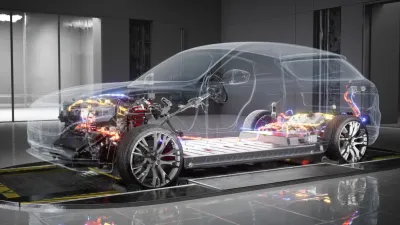
The primary culprit behind these inflated invoices is the sheer complexity of modern automotive technology. Today's entry-level vehicles are packed with Advanced Driver-Assistance Systems (ADAS), backup cameras, parking sensors, and intricate infotainment screens. While these features drastically improve safety and convenience, they transform minor fender benders into major financial liabilities. A 2023 study by AAA revealed that ADAS repairs account for over one-third of total repair costs following a crash.
Even routine maintenance has evolved into a highly technical process. A standard windshield replacement, which used to be a quick and inexpensive swap, now requires meticulous recalibration of forward-facing cameras and sensors to ensure safety systems function correctly. As drivers keep their cars longer to avoid high interest rates on new loans, they are inevitably encountering these larger, tech-heavy repair bills as delicate components age and fail.
The Hidden Tax of Modern Convenience
The automotive industry has effectively engineered out the cheap repair. While consumers demand bouncy-house levels of airbags and seamless app connectivity, the long-term cost of ownership is quietly shifting from the dealership lot to the service center. The 5% year-over-year inflation in maintenance is not just a temporary economic blip; it is a structural change in how cars are built and serviced.
This dynamic forces buyers into a frustrating dilemma: absorb the high monthly payments of a new car under warranty, or gamble on the catastrophic repair costs of an out-of-warranty, tech-laden used vehicle. Until the aftermarket repair industry catches up with OEM technology and the technician shortage is addressed, the era of the affordable 'beater' car is effectively over.