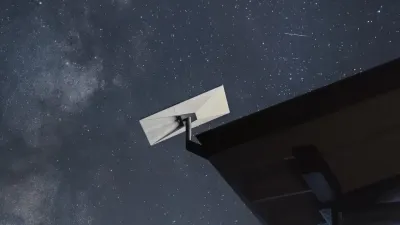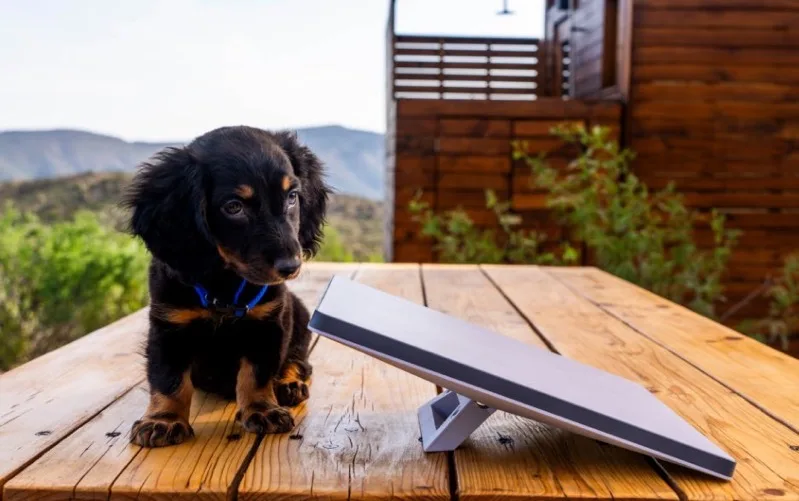
SpaceX is expanding its free Starlink Mini dish rental program to invited customers on standard Residential plans in Canada, dropping the previous requirement for a top-tier subscription. The portable satellite dish, designed for road trips, camping, and boating, arrives as a separate kit from the primary home setup. According to an email obtained by Tesla North, the offer is currently invite-only and limited to one kit per customer, with the company noting that the provided hardware may be refurbished.
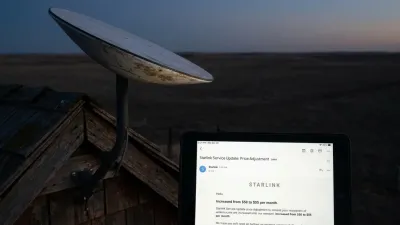
This expansion follows a series of aggressive Canadian promotions aimed at boosting adoption. Previous incentives included a $200 discount on Mini hardware and a $39 monthly Residential promo. Now, invited users can add a travel-ready dish for little more than the cost of keeping it dormant.
Pricing Tiers and Strict Return Conditions
Keeping the rental hardware free requires users to maintain an active primary Residential plan and pay a monthly fee for the secondary line. Customers must keep the Mini on Standby Mode or subscribe to one of the discounted Roam tiers.
- Standby Mode: $15 US per month.
- Roam 100GB: $60 US per month (discounted from the typical $75 US).
- Roam 300GB: $88 US per month (discounted from the typical $110 US).
- Roam Unlimited: $160 US per month (discounted from the typical $200 US).
Customers who upgrade to the Residential Max tier receive a steeper discount, cutting the standard Roam price in half. However, the return terms are firm and strictly enforced. If a user cancels their primary Residential plan, alters their plan type, or drops the Mini line, they must return the rental kit within 30 days to avoid being charged the full retail price on their payment method.
The Retention Strategy Behind the Free Hardware
SpaceX is effectively using the Starlink Mini as a lock-in mechanism for its core subscriber base. By offering the hardware for "free" but requiring a minimum $15 US monthly Standby fee and an active home internet subscription, the company creates a highly sticky ecosystem that monetizes otherwise idle equipment.
As competitors like Amazon's Project Kuiper prepare to enter the satellite market and local fiber networks continue to expand into rural areas, customer retention is critical. Giving users a cheap, portable second line makes them significantly less likely to cancel their primary Starlink service, transforming a travel perk into a long-term anchor for household internet revenue.