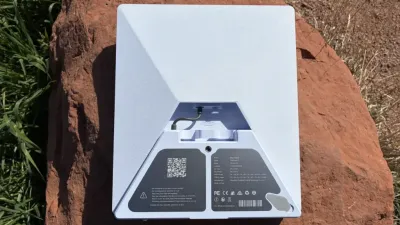
Amazon Leo satellite internet is officially set to launch in mid-2026, marking a critical turning point in the low Earth orbit (LEO) connectivity race. According to a recent shareholder letter from CEO Andy Jassy, the long-delayed service - formerly known as Project Kuiper - is finally on the verge of deployment. This launch provides enterprise and government sectors with a formidable, cloud-integrated alternative to SpaceX’s Starlink.
Unlike traditional consumer broadband plays, Amazon is positioning Leo as a massive enterprise ecosystem. Jassy emphasized that the service will feature native integration with Amazon Web Services (AWS). This allows government agencies and massive corporations to seamlessly move vast amounts of data back and forth for cloud storage, advanced analytics, and artificial intelligence processing. By bundling connectivity with the world's largest cloud platform, Amazon is selling a comprehensive infrastructure package rather than just a simple internet pipe.
The infrastructure rollout is already well underway. Amazon currently operates 200 low-orbit satellites in space and plans to deploy a few thousand more over the coming years to build out its global network. While the initial release kicks off in the middle of 2026, the company is aggressively scaling its manufacturing and launch capabilities to close the massive gap with Starlink, which currently boasts a constellation of nearly 10,000 satellites.
Early Enterprise and Government Adopters
Despite being years behind SpaceX, Amazon has already secured massive revenue commitments from major global players. The confirmed roster of early adopters signals strong institutional trust in the upcoming network. These customers include:
- Delta Air Lines: Selected Leo as its future onboard Wi-Fi provider, rolling out to 500 planes starting in 2028.
- Aviation & Telecom Giants: JetBlue, AT&T, and Vodafone have all signed on to leverage the network for expanded connectivity.
- Global Broadcasters & Agencies: DIRECTV Latin America, Australia’s national broadband network, and NASA are also confirmed as early customers.
My Take: The Cloud Advantage in the Space Race
The mid-2026 launch of Amazon Leo proves that the satellite internet wars are shifting from consumer landgrabs to high-value enterprise contracts. While Starlink has an undeniable first-mover advantage with nearly 10,000 satellites already in orbit, Amazon’s strategic integration with AWS is a massive differentiator. Enterprise IT directors do not just want raw bandwidth; they want secure, low-latency pipelines directly into their cloud environments for AI and analytics.
Securing heavyweights like Delta Air Lines and NASA before the service even goes live signals immense institutional trust in Amazon's infrastructure. If Leo can deliver on its AWS-integrated promises, it won't need to beat Starlink's raw satellite count to be highly profitable. Instead, Amazon will likely dominate the lucrative B2B sector, forcing SpaceX to either enhance its own enterprise cloud partnerships or rely heavily on its consumer and maritime dominance.
This article was written by AI from reporting by digitaltrends.com.