

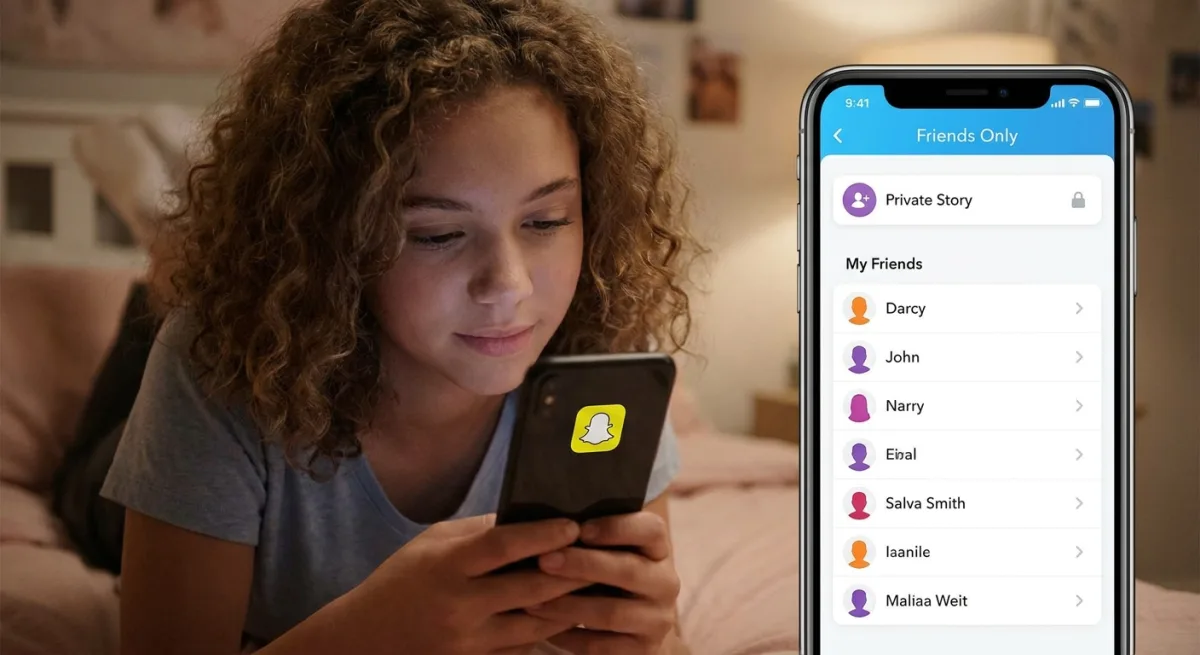
Snapchat is fundamentally changing how its youngest users interact with the platform, stripping away public reach and engagement metrics to shield minors from the pressures of viral content. Starting this week, the company is enforcing strict Snapchat Spotlight restrictions, limiting clips and Stories for users under 16 to a mutually accepted friends-only experience. This aggressive pivot comes as social media giants face mounting global lawsuits and regulatory crackdowns over child safety.
Until now, teenagers under 16 could post to Spotlight - Snap’s public, TikTok-style video feed - without their posts being attributed to a specific profile. This setup was originally designed to let them participate in trends while remaining shielded from strangers. The new update drops this public reach entirely.
Furthermore, the platform is removing favorite counts on these younger profiles, eliminating the psychological pressure to chase engagement numbers. Snap noted that for younger teens, the default setting must prioritize a more private sharing experience.
How the New Age Tiers Work
Snap is implementing a strict tiered approach based on user age. This system sits on top of existing protections, such as blocks on contact from unadded users and the Family Center tools that allow parents to monitor recent contacts.
- Ages 13 to 15: Users are restricted to a dedicated friends-only profile. Public distribution on Spotlight is completely disabled.
- Ages 16 and 17: Users receive an optional, limited introduction to public sharing, which includes extra safeguards and parental visibility.
- Ages 18 and older: Users unlock full public profiles and unrestricted content distribution.
Mounting Legal and Regulatory Pressure
This move follows a now-familiar industry script, echoing Instagram’s recent rollout of stricter teen accounts. Snap is operating under intense legal scrutiny, having settled a major social media addiction lawsuit earlier this year while continuing to fight similar cases across the United States.
Despite chief executive Evan Spiegel arguing that Snapchat is a positive, friend-focused service distinct from TikTok and Instagram, lawmakers are closing in. The regulatory backdrop is global, ranging from US state age-verification bills to the UK’s Online Safety Act and the European Union’s push for bloc-wide child protections.
The Unsolved Identity Loophole
While removing favorite counts and locking down Spotlight are highly effective product changes, they highlight a glaring vulnerability that the entire tech industry refuses to solve: age verification. Like most platforms, Snapchat still relies heavily on self-declared birthdays. Research has repeatedly shown that a determined teenager can easily bypass these restrictions by simply lying about their birth year during account creation.
Until platforms implement robust, privacy-preserving age verification at the device or operating system level, these tiered safety features will only protect the teenagers who choose to be honest. Snap’s update is a meaningful step forward for digital well-being, but its true impact remains entirely dependent on an honor system that tech-savvy kids have been outsmarting for a decade.
