

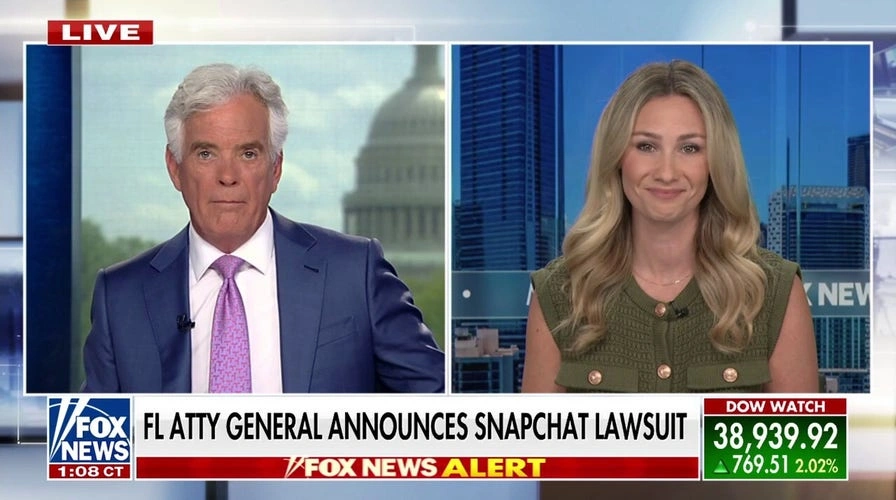
Texas Levels Explosive Charges Against Snapchat
Snapchat's parent-friendly facade is under fire. On February 12, 2026, the state of Texas filed a lawsuit claiming the app systematically deceives parents about its safety measures for minors. The suit alleges that Snapchat's marketing paints a picture of robust protections, while reality tells a different storyone where kids easily bypass restrictions and encounter harmful content.
At the heart of the complaint: Snapchat's 'Family Center' and related tools. Texas attorneys argue these features are hyped as comprehensive safeguards but fall short. Parents are supposedly led to believe they can monitor chats and limit interactions, yet teens exploit workarounds like disappearing messages and quick-add features to connect with strangers undetected.
The Specific Deceptions Texas Highlights
Texas isn't mincing words. The lawsuit details how Snapchat's promotions imply ironclad parental controls, but the app's design prioritizes user anonymity and ephemeralitycore to its appeal but risky for youth. Key accusations include:
- Misleading Family Center Claims: Advertised as enabling oversight of friends lists and chat reports, but lacks real-time monitoring or content previews.
- Quick Add Evasion: Feature connects users via phone contacts or mutual friends, often exposing kids to unvetted adults without parental flags.
- My AI Chatbot Risks: Texas points to Snapchat's AI companion as a gateway for inappropriate interactions, with minimal safeguards despite being marketed as safe.
Evidence cited includes internal docs and user testimonials showing widespread circumvention. One stark example: a 15-year-old accessing adult content via 'Discover' feeds, invisible to parents.
Comparing Snapchat's Safety to Rivals
How does Snapchat stack up? Here's a quick comparison table of parental control features across major apps, based on public disclosures as of early 2026:
| Feature/App | Snapchat | TikTok | |
|---|---|---|---|
| Real-time Chat Monitoring | No (reports only) | Limited (supervision tools) | Yes (Family Pairing) |
| Friend List Oversight | Partial | Full | Full |
| Stranger Contact Block | Quick Add loophole | Restricted accounts | Age-gated |
| AI Interaction Limits | Basic filters | Supervised DMs | Content-specific |
Snapchat lags in proactive monitoring, fueling Texas' deception claims. Instagram and TikTok offer more transparent controls, though none are foolproof.
Broader Implications for Tech Accountability
This isn't isolated. It echoes ongoing scrutiny of social platforms under laws like the Kids Online Safety Act (KOSA). Texas seeks injunctions to halt deceptive practices, plus penalties and reforms. Snapchat counters that it invests heavily in safety$100M+ annuallyand complies with COPPA, but critics say design choices undermine this.
Stakeholders react sharply. Child safety advocates hail it as a win against 'Big Tech negligence,' while free speech groups worry about overreach. Snapchat's stock dipped 2% post-filing, signaling market jitters.
Regulatory Ripple Effects
Expect copycats. California and New York eye similar suits, potentially reshaping app stores and age-gating mandates. For developers, it's a wake-up: marketing can't outpace functionality. Snapchat may pivot to stricter defaults, but at what cost to user growth?
My Take: Time for Snapchat to Level Up
Look, Snapchat nailed ephemeral fun, but safety can't be an afterthought. Texas has a pointthe gap between hype and reality erodes trust. Prediction: Settlements force transparent audits and AI overhauls by Q3 2026. Parents, enable Family Center now, but demand more. For Snap, this is a pivot point: innovate safety or face endless lawsuits. Visionary move? Bake in blockchain-verified age checks. Let's make apps safe without killing the vibe.
