Samsung Breaks Flagship Stagnation with S26 Ultra Privacy Tech
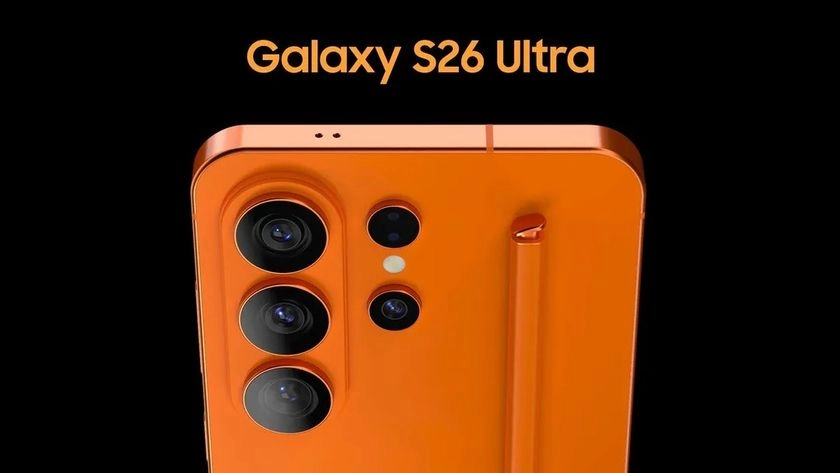
Samsung has teased what could be the Galaxy S26 Ultra's standout feature: a 'privacy display' designed as 'a new front line for privacy.' This comes amid complaints that flagship smartphones have lacked dazzling innovations in recent years. The announcement positions the S26 Ultra as a potential game-changer in mobile security and display technology.
What is the Privacy Display?
Samsung describes the technology as a screen that prevents unauthorized viewing from the side. Unlike software-based privacy modes that dim or blur content, this appears to be a hardware-level solution. It likely uses advanced LCD or OLED layering to restrict visibility beyond straight-on angles, similar to laptop privacy filters but optimized for phones.
Details remain sparse, but the tease suggests integration at the panel level, making it always-on without battery drain or app toggles. This addresses a key pain point: shoulder surfing in public spaces like trains, cafes, or offices where notifications and content are easily glimpsed.
Timing and Context
The reveal surfaced in a TechRadar roundup of the week's top stories, published around January 31, 2026. It aligns with Samsung's strategy to differentiate the Ultra line, especially as competitors like Google Pixel and Apple iPhone focus on AI cameras and chip upgrades.
- Samsung's move counters years of iterative releases: S24 added AI, S25 refined it, but S26 targets privacy hardware.
- Leaked specs hint at a brighter, more efficient panel, possibly with anti-reflective coatings.
- Expected launch: Early 2026, likely MWC or a dedicated Unpacked event.
Technical Breakdown
Privacy displays typically employ micro-louver films that block light beyond 30-45 degrees. Samsung could adapt its 'Vision Booster' tech, which enhances outdoor visibility, into a dual-mode system: standard for shared viewing, privacy for sensitive use. Power efficiency is crucial past implementations added 10-20% drain, but Samsung's Exynos or Snapdragon integration might mitigate this.
Competitors lag: Google's Pixel 9 series offers software blurring, while Sony Xperia sticks to basic brightness tweaks. This hardware edge could boost S26 Ultra sales, especially in enterprise markets where data security matters.
Industry Impact
The tease sparked buzz on forums and X, with users praising the practical upgrade. Analysts see it boosting Samsung's premium segment share, currently at 20% globally. It also signals a shift: post-AI hype, hardware innovations like this regain focus.
For developers, APIs for privacy modes could emerge, enabling banking apps or VPNs to auto-activate. Privacy advocates applaud it amid rising data breach concerns 2025 saw 2.6 billion records exposed.
Comparisons and Expectations
| Feature | Galaxy S26 Ultra (Teased) | Pixel 9 Pro | iPhone 17 Pro (Rumored) |
|---|---|---|---|
| Privacy Tech | Hardware display filter | Software blur | Dynamic Island tweaks |
| Display Size | 6.8-inch+ | 6.8-inch | 6.9-inch |
| Battery Impact | Minimal (est.) | Low | None |
While Xreal's 3D glasses upgrade also trended this week, Samsung's phone tease tops impact due to its massive user base over 300 million Galaxy devices ship yearly.
More details expected soon. Samsung's history with surprises like the S21's S Pen inclusion suggests the full reveal will impress.