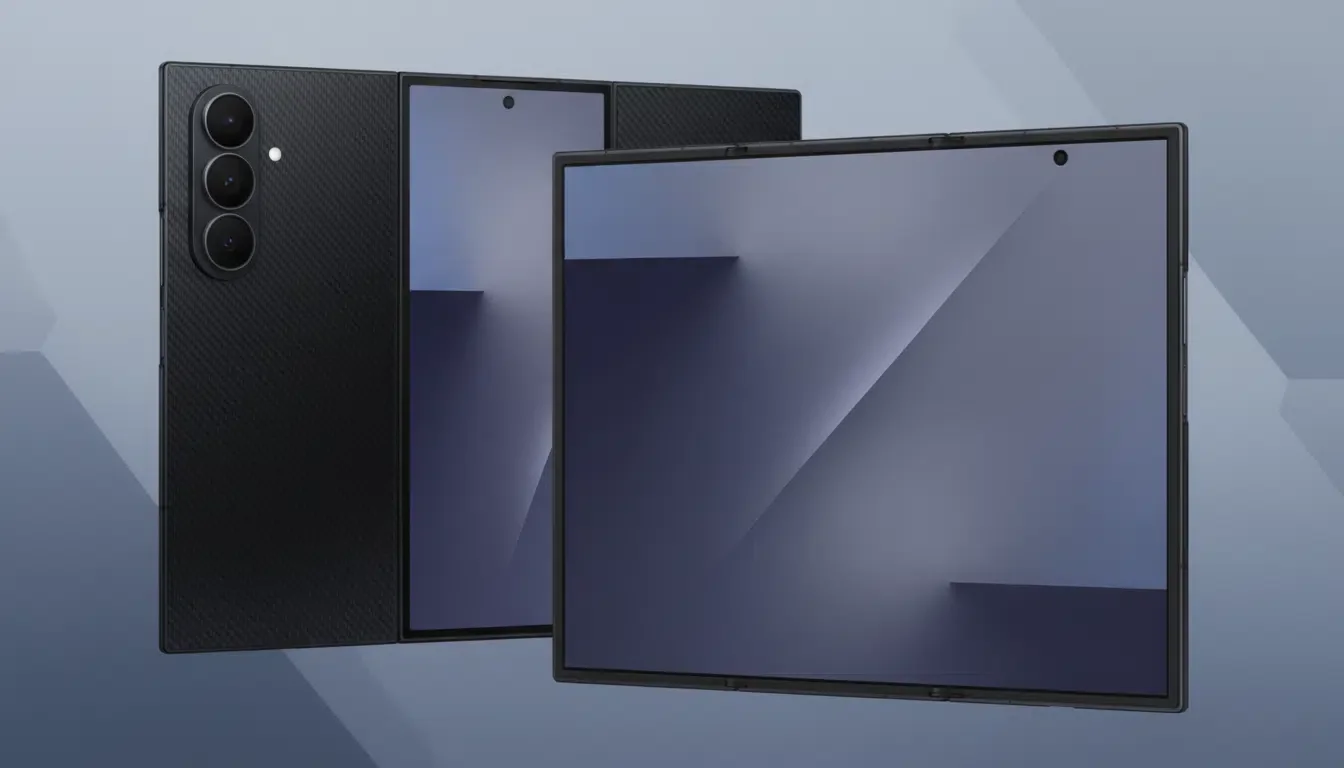
Samsung's Galaxy Z TriFold, the company's most ambitious foldable smartphone to date, is facing an early durability crisis as multiple owners report catastrophic display failures within weeks of purchase. The incidents underscore the inherent risks of first-generation foldable technology and raise questions about whether Samsung's complex tri-fold engineering is ready for mass production.
The failures are particularly concerning because affected users report no external damage or rough handling. One South Korean user posted on Samsung's Community Forum that their device developed a long strip of dead pixels running vertically down the left side of the main 10-inch internal display just 30 days after purchase. Another Reddit user experienced a complete display blackout after one month of normal use, with temporary relief only after a hard reboot. A third owner reported phantom touches, a popping sound when folding the device, and an air bubble visible beneath the display panel.
The Scope of the Problem
At present, documented failures remain limited to a handful of users across Reddit and Samsung's official forums. With Samsung targeting conservative production volumes of 30,000 to 40,000 units for the TriFold's initial launch in limited markets, the absolute number of affected devices appears small. However, the pattern is troubling: every reported failure occurred within the first month to six weeks of ownership, suggesting a potential manufacturing defect rather than user error or gradual wear.
What makes these failures particularly alarming is the consistency of the damage profile. The dead pixels in the first case appeared precisely where the left-most panel folds, indicating stress concentration at the hinge mechanism. The phantom touches and display disconnection issues reported by other users point to internal wiring or connector problems exacerbated by the folding motion. None of the affected users reported dropping their devices or exposing them to moisture, eliminating the most common failure modes for smartphones.
The Complexity Factor: Why the TriFold Is Different
The Galaxy Z TriFold represents a significant engineering leap beyond Samsung's existing Z Fold lineup. Where the Z Fold 7 features a single fold with one hinge, the TriFold adds a second hinge and a third display panel, doubling the mechanical complexity. This design choice creates multiple stress points where the display layers must flex repeatedly without degradation. The internal display alone is a marvel of engineeringa foldable AMOLED panel that must maintain pixel-perfect performance through thousands of open-close cycles.
However, this complexity also multiplies the potential failure modes. Each additional hinge introduces new opportunities for misalignment, connector fatigue, or adhesive failure. The display layers must be precisely bonded to withstand folding stress, and any microscopic defect in this bonding process can propagate into visible dead pixels or complete panel failure. Early production runs of complex devices often reveal such manufacturing inconsistencies that weren't apparent during prototype testing.
Samsung's Response and Repair Economics
Samsung has acknowledged the reports but maintains that failures are isolated incidents consistent with early-generation foldable devices. The company replaced at least one affected device in January, though more recent reports indicate Samsung is not currently offering replacements or repairs for all cases. This inconsistency in customer service response has frustrated affected users, particularly given the device's premium $2,400 price point.
The financial stakes of repair are staggering. A replacement for the inner folding display costs approximately $1,122 in Korea (KRW 1,657,500), making it the most expensive smartphone screen replacement Samsung has ever offered. The cover display replacement is comparatively modest at $92, but the inner panel cost underscores just how expensive and complex the tri-fold technology truly is. Samsung does offer a one-time 50% discount on screen repairs, reducing the cost to roughly $560, but this still represents a significant out-of-pocket expense for users whose devices fail outside warranty coverage.
Historical Context: Foldable Durability Lessons
These failures echo earlier issues with the Galaxy Z Fold 7, where users discovered that devices retained a slight bend when fully unfolded, indicating hinge inconsistencies. That experience taught Samsung that first-generation foldables often reveal manufacturing issues only after reaching consumer hands at scale. The TriFold's failures suggest that lesson may not have been fully applied to this more complex design.
The silver lining is that widespread failures haven't materializedyet. With limited production volumes and a small installed base, Samsung has a narrow window to identify and correct any systemic manufacturing defects before ramping production. A restock is scheduled for February 20, and how those new units perform will be critical in determining whether these are true isolated defects or symptoms of a deeper production problem.
What This Means for Potential Buyers
For consumers considering the Galaxy Z TriFold, these reports present a genuine risk calculation. The device is undeniably innovative, offering a genuinely new form factor that no competitor has matched. However, buying into first-generation tri-fold technology means accepting the possibility of hardware failure within the first month of ownership. The lack of consistent Samsung support for affected users adds another layer of uncertainty.
Potential buyers should carefully weigh whether the innovation justifies the risk, particularly given the astronomical repair costs. Those who do purchase should consider extended warranty coverage if available and handle the device with exceptional care, even though current failures suggest normal use isn't sufficient to prevent damage.
Frequently Asked Questions
Q: How many Galaxy Z TriFold units have failed?
A: Only a handful of documented failures have been reported across Reddit and Samsung forums, though the true number of affected devices remains unknown. With limited production volumes, the absolute count appears small, but the pattern is concerning.
Q: Is Samsung replacing failed devices?
A: Samsung replaced at least one device in January, but recent reports indicate the company is not consistently offering replacements. Affected users are being directed to warranty claims or paid repairs.
Q: How much does a display replacement cost?
A: The inner folding display replacement costs approximately $1,122 before Samsung's 50% discount, bringing it to roughly $560. The cover display costs about $92.
My Take
The Galaxy Z TriFold's early display failures are a sobering reminder that innovation at the hardware level carries real risks. Samsung has created something genuinely new, but the company appears to have underestimated the manufacturing challenges of tri-fold technology. The inconsistent customer service response is particularly troublingif Samsung wants consumers to embrace risky new form factors, the company must stand behind them with reliable support and transparent communication about known issues. The February 20 restock will be telling. If new units perform flawlessly, these are isolated manufacturing defects that Samsung can address. If failures continue, Samsung faces a much larger problem that could undermine confidence in foldable technology itself.