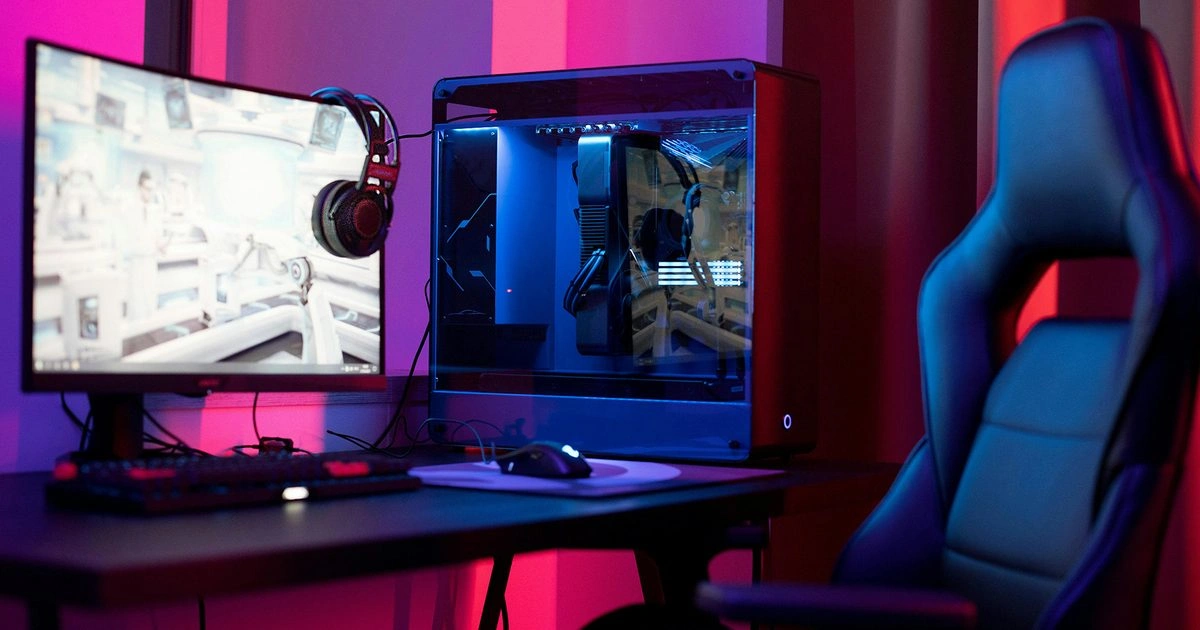
Gaming hardware subscriptions are fundamentally altering the traditional relationship between players and their equipment. For PC gamers and console enthusiasts, this shift from permanent ownership to monthly rental models means reevaluating how they invest in their setups. Understanding this transition is crucial for consumers who must now weigh the appeal of lower upfront costs against the long-term financial and cultural implications of never truly owning their machines. What was once a straightforward transaction buying a device to keep indefinitely is rapidly transforming into a continuous licensing agreement where access vanishes the moment payments stop.
The catalyst for this industry-wide pivot is not arbitrary; it is deeply tied to the explosive growth of artificial intelligence. Consumer gaming hardware now competes directly with enterprise AI infrastructure for the same advanced chips, memory, and processors. According to a 2026 outlook from Deloitte, spending on compute and storage hardware for AI deployments surged by 166 percent year-over-year in 2025, reaching an astounding $82 billion. As fabrication plants prioritize lucrative data center contracts, the resulting supply constraints have kept consumer PC prices artificially high. For many players, justifying a $1,500 upfront investment for a traditional gaming rig has become increasingly difficult, making the concept of renting a powerful machine highly attractive.
The Mechanics of Hardware-as-a-Service
Major technology companies are actively capitalizing on this affordability crisis by introducing Hardware-as-a-Service (HaaS) ecosystems. Instead of selling devices outright, these programs offer hardware bundled with support and maintenance for a recurring fee. HP recently launched the OMEN Gaming Subscription program, which provides users with a gaming laptop for a monthly fee ranging from $50 to $130, depending on the performance tier. The package includes technical support and an option to upgrade to newer hardware after approximately one year. However, the strict stipulation is that the device must be returned once the subscription concludes.
Sony has explored a similar leasing model through its Sony Flex program in the United Kingdom. This service allows players to lease a PlayStation 5 console, including its newer variants, through monthly installments spread across 12, 24, or 36-month periods. While the cumulative cost over these terms often approaches the retail price of the console, the user is left with no physical asset at the end of the contract. This physical hardware shift is running parallel to the expansion of cloud gaming. Companies like Nvidia and Microsoft are pushing services like GeForce Now and Xbox Cloud Gaming, which bypass local hardware entirely. Market research projects the cloud gaming sector will experience a compound annual growth rate of over 40 percent through 2030.
| Service Provider | Program Name | Hardware Type | Pricing / Terms |
|---|---|---|---|
| HP | OMEN Gaming Subscription | Gaming Laptops | $50 - $130 per month (upgrade option after ~1 year) |
| Sony (UK) | Sony Flex | PlayStation 5 Consoles | 12, 24, or 36-month lease terms |
| Microsoft / Nvidia | Cloud Gaming Services | Remote Servers | Monthly subscription (No local hardware required) |
Industry leadership is openly embracing this post-ownership future. Microsoft CEO Satya Nadella has positioned Xbox Game Pass as the core of the company's strategy to deliver experiences across multiple devices, moving away from strict console reliance. Similarly, Nvidia CEO Jensen Huang has emphasized the growing role of cloud computing, noting that remote data centers will eventually deliver high-end performance without the need for expensive local GPUs.
The Cultural and Preservation Costs
While corporate revenues benefit from predictable subscription models, the long-term math for consumers is daunting. A player paying $100 per month for a high-end rental laptop will spend $2,400 over two years, only to return the machine with zero resale value. Beyond the financial drain, this model threatens the deeply ingrained tinkering culture of PC gaming. Rental hardware typically arrives sealed, and opening the chassis to upgrade memory or tweak cooling systems often violates the service agreement, effectively killing the custom-build ethos that has defined the community for decades.
Furthermore, the shift toward access over ownership poses a severe threat to video game preservation. Frank Cifaldi, co-director of the Video Game History Foundation, warns that modern titles are increasingly treated as temporary licensed services rather than permanent products. Legal experts like Dr. David C. Mowery echo this concern, noting that strict digital rights management and games-as-a-service models create massive hurdles for archivists. When hardware is leased and games live on remote servers, the ability to preserve gaming history for future generations is fundamentally compromised.
Frequently Asked Questions
What is Hardware-as-a-Service in gaming?
It is a business model where companies rent out gaming PCs or consoles for a monthly fee instead of selling them outright. Users must return the hardware when the subscription ends.
Why are gaming PCs becoming so expensive?
Consumer gaming hardware uses the same advanced chips required by enterprise AI companies. With AI compute spending reaching $82 billion in 2025, supply constraints have driven up the cost of consumer GPUs and processors.
Can I upgrade a rented gaming PC?
Generally, no. Rental devices from programs like the HP OMEN Gaming Subscription usually arrive sealed, and opening them to modify components can violate the terms of service.
My Take
The transition toward PC renting is a brilliant corporate maneuver disguised as consumer convenience. By looking at the Deloitte data specifically the 166 percent surge in AI compute spending to $82 billion it becomes clear that hardware manufacturers are caught in a supply squeeze. They can no longer guarantee cheap consumer GPUs when enterprise data centers are buying up all available silicon. The HP OMEN subscription, which extracts up to $2,400 over two years for a laptop that must be returned, is a mechanism to maintain high profit margins on scarce hardware. While this lowers the immediate barrier to entry for cash-strapped gamers, it effectively transforms players into perpetual tenants. If this model becomes the industry standard, we will not only lose the secondary hardware market, but we will also hand over total control of game preservation to corporations whose only incentive is to keep us paying next month's rent.