A US judge has officially dismissed a high-profile lawsuit against Meta brought by WhatsApp's former head of cybersecurity, Attaullah Baig, over allegations of ignored security flaws. In a simultaneous and massive shakeup for the generative AI industry, OpenAI is abruptly shutting down its Sora video generation platform just six months after launch, prompting Disney to exit a massive $1 billion partnership.
This dual-development report is critical for cybersecurity professionals monitoring corporate liability, as well as AI developers and media executives navigating the volatile generative video market. The legal dismissal shields Meta from a potentially damaging precedent regarding internal vulnerability disclosures, while Sora's sudden demise forces creators and studios to rethink their reliance on OpenAI's video ecosystem.
Meta's Legal Victory on WhatsApp Security
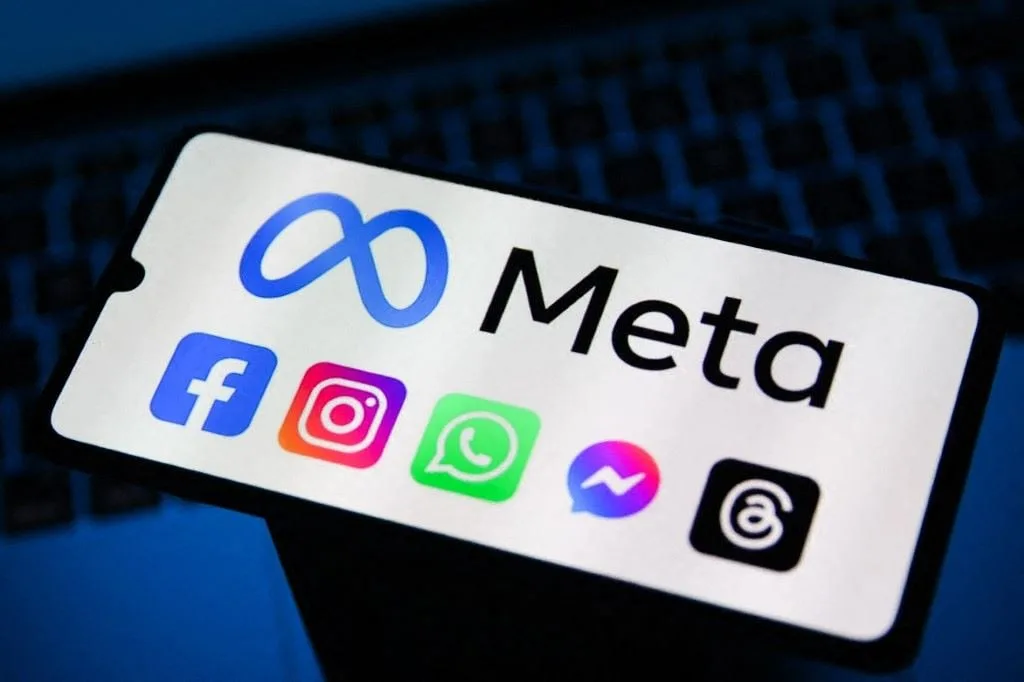
The lawsuit against Meta, originally reported by Carly Nairn of the Courthouse News Service, centered on serious allegations from a former top security executive. Attaullah Baig, who previously served as the head of cybersecurity at WhatsApp, claimed that the parent company deliberately ignored critical security flaws within the messaging platform.
A US judge has now dismissed the case, effectively ending this specific legal battle. This ruling is a significant victory for Meta, as it protects the company's internal protocols for handling and prioritizing security vulnerabilities from external judicial micromanagement. It also highlights the ongoing friction between tech giants and their internal security teams regarding the disclosure and patching of critical infrastructure flaws.
OpenAI Kills Sora and Loses $1 Billion Disney Deal
In a shocking pivot, OpenAI plans to completely discontinue all products that utilize its Sora models. According to reports from the Wall Street Journal and numerous tech outlets, this shutdown encompasses the standalone consumer app, the dedicated Sora version for developers, and the integrated video feature inside ChatGPT. The official @soraofficialapp account confirmed the news, stating they are saying goodbye to the app and will share more timelines soon.
The immediate financial fallout has been severe. Following the decision to shutter the AI video generator, Disney has officially pulled out of a $1 billion investment and licensing deal with OpenAI. The cancellation of this monumental partnership underscores the instability of the current generative video market and the hesitation of major Hollywood studios to commit to unproven, highly volatile AI platforms.
Industry analysts and insiders point to unsustainable operating costs and rapidly declining user engagement as the primary catalysts for the shutdown. Reports indicate that OpenAI was burning through a massive amount of computing power, with some estimates suggesting the company was spending more than a quarter of its revenue just to power Sora's GPU demands. Furthermore, the tool faced mounting criticism over copyright realities and its potential misuse for generating misinformation and deepfakes.
My Take
The juxtaposition of Meta's legal win and OpenAI's strategic retreat highlights two very different phases of tech industry maturity. Meta successfully defended its internal security protocols, insulating its core communication platform from legal fallout and proving its ability to weather executive-level disputes. Conversely, OpenAI's decision to kill Sora - and willingly sacrifice a $1 billion deal with Disney - reveals the harsh, unsustainable economic realities of generative AI video production.
The staggering GPU burn rate required to sustain Sora simply could not be justified by its declining user engagement and the looming threat of copyright litigation. This abrupt shutdown signals a broader industry pivot: AI labs will likely stop subsidizing ultra-expensive, novelty consumer tools. Instead, we can expect companies like OpenAI to refocus their capital and compute resources on core, profitable enterprise models, such as advanced LLMs and autonomous AI agents, leaving the highly volatile video generation market to niche competitors.
This article was written by AI from reporting by techmeme.com.