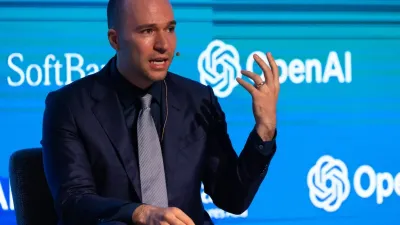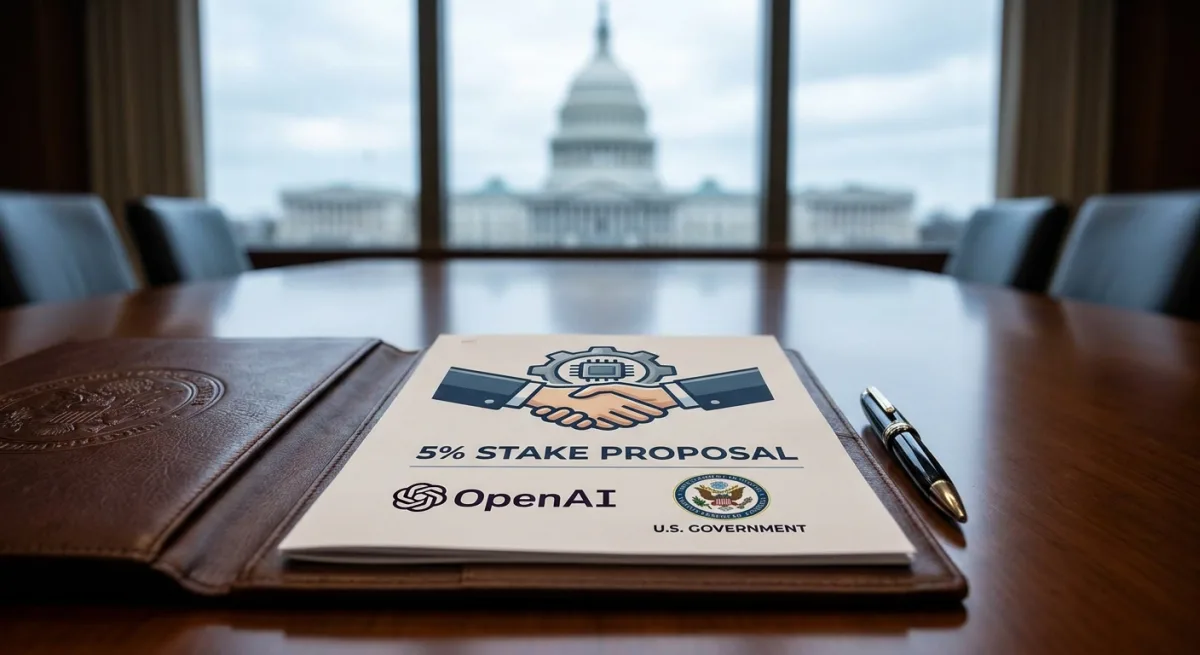
OpenAI CEO Sam Altman has proposed giving the US government a 5 percent ownership stake in the artificial intelligence giant to ease regulatory tensions and blunt public backlash. Based on OpenAI’s latest funding round, which values the company at $852 billion, the proposed stake would be worth approximately $42.6 billion. According to a report from the Financial Times, Altman first pitched the idea to the Trump administration early last year, arguing that giving the public a direct financial interest is the best way to share the economic upside of the AI boom.
The discussions remain in their early stages, and the proposal reportedly suggests that other major US AI companies should offer the government similar stakes. This unprecedented strategy is largely seen as a defensive maneuver against an increasingly hands-on regulatory environment. Recently, the administration has aggressively intervened in the AI sector, designating OpenAI competitor Anthropic as a supply chain risk and unexpectedly slapping its latest models with export controls that forced them out of key global markets.
Public officials are increasingly using policy to capture the wealth generated by generative AI. The US government has already taken a 10 percent stake in chipmaker Intel and reportedly demanded that Nvidia and AMD hand over a 15 percent cut of their revenue from AI chip sales to China. Meanwhile, other political figures like Senator Bernie Sanders have argued that AI should be treated as a public resource, proposing a one-time 50 percent tax on AI companies' stock value to establish a sovereign wealth fund.
The Cost of Doing Business in the New AI Economy
Altman’s 5 percent proposal is less of a patriotic wealth-sharing initiative and more of an expensive insurance policy against catastrophic federal intervention. By offering the government a $42.6 billion seat at the table, OpenAI is attempting to align federal financial interests with its own corporate success, effectively making the government a partner rather than a police officer.
If the administration accepts, it would create a massive conflict of interest for regulators tasked with policing a company that the federal budget now relies on for revenue. Furthermore, if this "pay-to-play" model becomes the standard, smaller AI startups will be entirely priced out of the market. This dynamic would cement OpenAI's dominance while transforming the US tech sector into a quasi-state-sponsored enterprise, fundamentally altering how Silicon Valley operates.