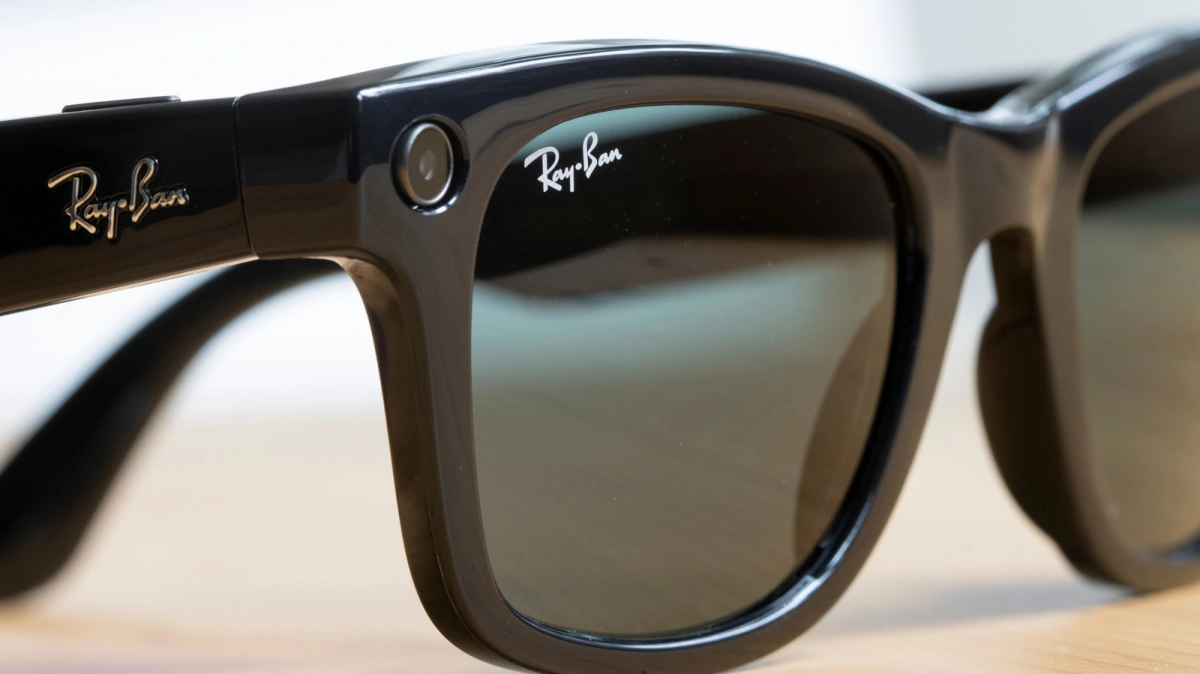
Meta Ray-Ban smart glasses are facing increasing bans across public and private sectors due to severe privacy and security risks associated with their subtle recording capabilities. As wearable AI technology becomes mainstream, institutions ranging from federal courts to fitness centers are implementing strict policies to prevent unauthorized surveillance. This development directly impacts early adopters of wearable technology and privacy-conscious consumers, requiring them to navigate a complex new landscape of restricted zones to avoid legal repercussions or public confrontation.
The U.S. Air Force recently prohibited the devices to protect high-security operations, highlighting a broader societal clash between hands-free AI convenience and the fundamental expectation of privacy. While the technology offers unprecedented accessibility to AI tools, the inability of bystanders to easily determine if they are being recorded has forced property owners and institutions to take preemptive action.
The 5 Restricted Smart Glasses Zones
As the technology evolves, facility managers and legal authorities have identified five primary environments where the presence of smart glasses poses an unacceptable risk to privacy and security. Based on recent policy updates, users must remove their devices in the following locations:
- Gyms and Locker Rooms: Major fitness chains like PureGym and Kingdom Gyms in Birmingham (which officially banned them in December 2025) cite the inability to distinguish recording glasses from regular eyewear as a major privacy threat to members.
- Standardized Testing Centers: To combat high-tech cheating, the College Board actively monitors for the subtle recording light on smart glasses during exams, according to senior vice president Priscilla Rodriguez.
- Hospitals and Clinics: Healthcare facilities face severe legal liabilities and HIPAA violations if smart glasses capture sensitive patient data or breach doctor-patient confidentiality, as noted by the LBMC.
- Courts of Law: Following a February 2026 incident where Mark Zuckerberg's security team wore Meta smart glasses into the Los Angeles Superior Court - prompting a stern warning from Judge Carolyn Kuhl - courts like Forsyth County in North Carolina and the District of Hawaii have enacted outright bans.
- Cruise Ships: Major operators like MSC Cruises restrict smart glasses exclusively to private quarters, while Royal Caribbean prohibits them in casinos, spas, restrooms, and medical facilities to protect guest privacy.
Frequently Asked Questions
Why are Meta Ray-Bans being banned in certain locations?
Their subtle, hands-free recording capabilities pose significant privacy risks, leading to bans in areas where confidentiality is legally or ethically required, such as hospitals and courtrooms.
Can you turn off the recording feature to bypass these bans?
Most institutional bans apply to the physical presence of the device itself, regardless of whether the recording function is actively engaged, due to the extreme difficulty of verifying its operational status from a distance.
My Take
The rapid implementation of bans against Meta Ray-Ban smart glasses signals a critical growing pain for the wearable AI market. The February 2026 courtroom incident involving Mark Zuckerberg's own security team perfectly encapsulates the friction between Silicon Valley's hardware ambitions and real-world privacy boundaries. If manufacturers cannot develop more obvious, universally recognized indicators of active recording - beyond a tiny LED light - we will likely see a legislative push for standardized "dumb modes" or geofenced disabling features to keep these devices viable in public spaces.
This article was written by AI from reporting by slashgear.com.