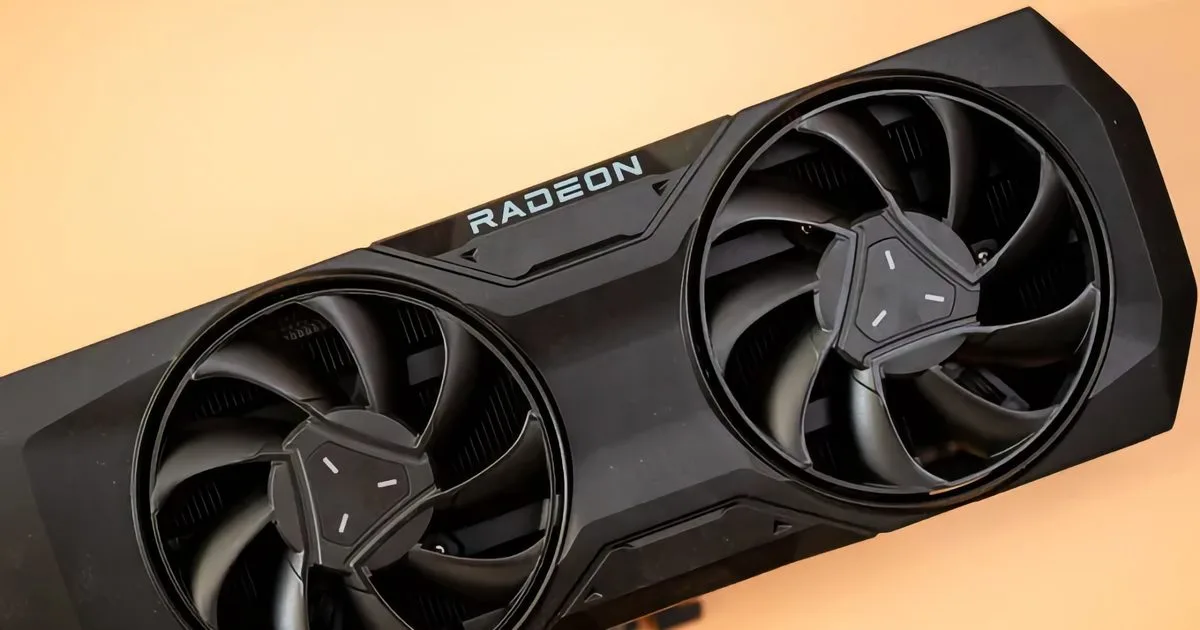
PC builders hoping for a break in hardware costs are facing another major setback, as AMD is reportedly preparing to raise the prices of its Radeon graphics cards. Following closely on the heels of Nvidia's recent price hikes, AMD has informed its board partners that GPU and memory bundles will see a minimum 10% price increase starting this August.
The pricing crisis has already severely impacted current-generation hardware. According to a leak from ChannelGate on Weibo, spotted by VideoCardz, the situation is dire enough that AMD is considering bringing back graphics cards with just 4GB of onboard memory.
The recently introduced RX 9050, which carries an official price tag of $279 - just $20 less than the RX 9060 XT - is nearly impossible to find at MSRP. Retailers are currently selling the entry-level GPU for significantly more, with XFX pricing it at $490 and Gigabyte pushing it to $550 in the US market.
This upcoming adjustment will likely push AMD's custom cards into the same inflated price brackets as Nvidia's offerings. The green team's hardware has seen massive inflation; the RTX 5060 Ti, originally introduced at $429, could soon climb to $760.
Meanwhile, high-end models like the RTX 5070 Ti are projected to reach a staggering $1,400. The root cause of this industry-wide escalation is the surging cost of memory, driven largely by the explosive demand for AI hardware.
The AI Tax on PC Gaming
The ripple effects of the artificial intelligence boom are now directly penalizing everyday consumers and PC gamers. While AMD's 10% hike might seem modest compared to Nvidia's aggressive pricing strategy, it signals a fundamental shift in how semiconductor companies prioritize their supply chains. Foundries are allocating their most lucrative memory production lines to enterprise AI accelerators, leaving the consumer graphics market fighting for scraps.
With industry estimates suggesting this supply-demand imbalance won't ease until at least 2028, the era of the budget-friendly graphics card is effectively over. Gamers looking to upgrade should brace for a market where mid-range GPUs routinely cost as much as an entire console, forcing a difficult choice between paying the "AI tax" or relying heavily on software-based upscaling technologies to extend the life of aging hardware.