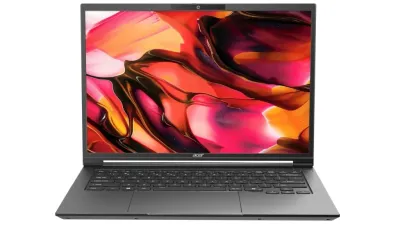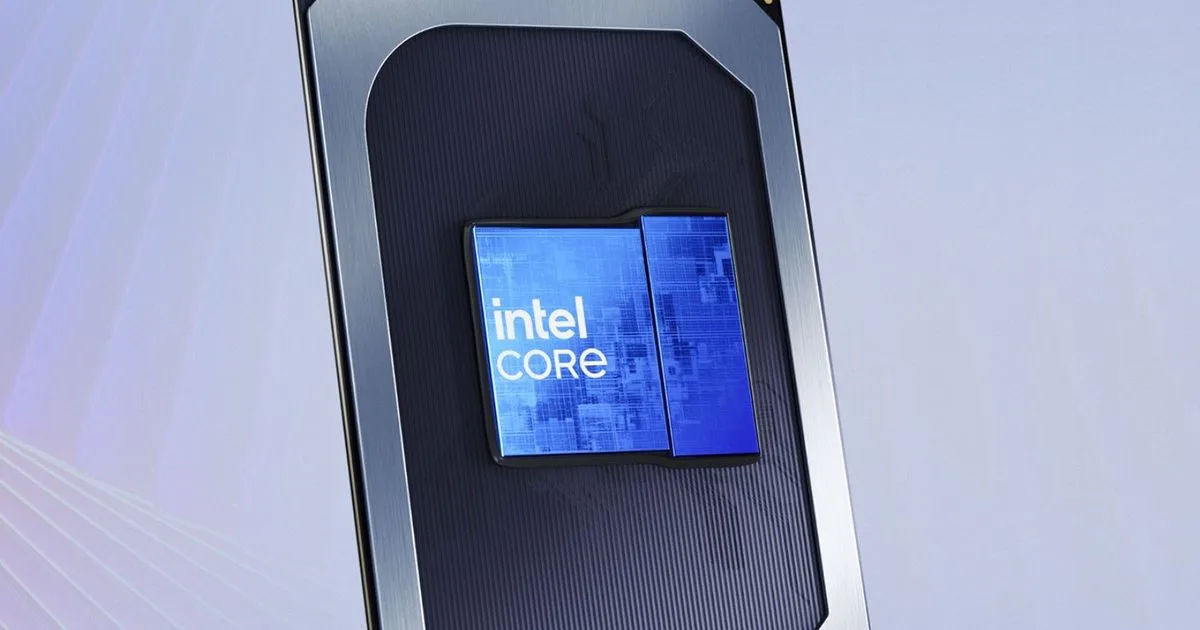
Budget laptop buyers no longer have to sacrifice modern performance, as the new Intel Core Series 3 mobile processors have officially launched to power the next generation of affordable notebooks. Designed specifically to provide a modern foundation without pushing devices into premium pricing territory, this new lineup targets value buyers, educational institutions, small businesses, and essential edge devices. By leveraging the same foundational technologies found in the powerful Core Ultra Series 3 family, Intel is aggressively pushing high-end features downmarket.
Built on the advanced Intel 18A process node, the Intel Core Series 3 chips feature a highly efficient hybrid CPU architecture. Under the hood, the platform supports up to two Cougar Cove P-cores and four Darkmont LP E-cores, paired with an NPU 5 and integrated Xe graphics. This configuration is explicitly tuned to maximize battery life and lower the cost of system builds, while still supporting modern memory standards like LPDDR5X-7467 and DDR5-6400, alongside UFS 3.0 or Gen 4 SSD storage options.
Despite being aimed at the value segment, these are Intel's first hybrid AI-ready Core Series processors, delivering up to 40 platform TOPS for local artificial intelligence workloads. The connectivity suite is equally impressive for the price point, offering support for up to two Thunderbolt 4 ports, Wi-Fi 7, and Bluetooth 6. This ensures that the next wave of affordable laptops will feel significantly more responsive during video calls, light AI tasks, and basic creative work.
Generational Performance Leaps
Intel is making bold performance claims to encourage upgrades from older hardware. Compared to a typical five-year-old PC, the new processors deliver up to 47% better single-thread performance, a 41% boost in multi-thread workloads, and up to 2.8x better GPU AI performance. The generational leap is also notable; when pitted against the previous-generation Core 7 150U, the new chips offer up to 2.1x faster creation and productivity speeds, 2.7x better AI GPU performance, and operate on 64% lower processor power.
| Processor | Cores / Threads | Max Turbo (GHz) | NPU TOPS | Xe-cores | GPU TOPS | Base & Max Power |
|---|---|---|---|---|---|---|
| Intel Core 7 360 | 6 / 6 | 4.8 | 17 | 2 | 21 | 15W-35W |
| Intel Core 7 350 | 6 / 6 | 4.8 | 17 | 2 | 21 | 15W-35W |
| Intel Core 5 330 | 6 / 6 | 4.6 | 16 | 2 | 20 | 15W-35W |
| Intel Core 5 320 | 6 / 6 | 4.6 | 16 | 2 | 20 | 15W-35W |
| Intel Core 5 315 | 6 / 6 | 4.4 | 15 | 2 | 18 | 15W-35W |
| Intel Core 3 304 | 5 / 5 | 4.3 | 15 | 1 | 9 | 15W-35W |
More than 70 designs from major OEM partners are already in the pipeline, with consumer and commercial systems available starting April 16, 2026. The extensive list of hardware partners includes industry heavyweights such as Acer, Asus, Dell, HP, Lenovo, MSI, and Samsung. Meanwhile, specialized edge computing systems utilizing these chips are scheduled to begin shipping in the second quarter of 2026.
The True Test of Budget AI Computing
Bringing the 18A process node and 40 TOPS of AI performance to the entry-level market is a massive strategic shift for Intel. Historically, budget laptops have been saddled with outdated architectures that struggle with basic multitasking, let alone modern AI workloads. By standardizing features like Wi-Fi 7 and Thunderbolt 4 in the Core Series 3, Intel is effectively raising the baseline for what consumers should expect from a sub-$600 machine.
However, the ultimate success of this lineup hinges entirely on OEM pricing strategies. While Intel has engineered these chips to lower system build costs, industry-wide price hikes on components like RAM and storage could offset these savings. If partners like Lenovo and HP can keep these laptops within the traditional budget pricing tiers, the Intel Core Series 3 will likely dominate the education and small business sectors for the next upgrade cycle.
This article was written by AI from reporting by digitaltrends.com.