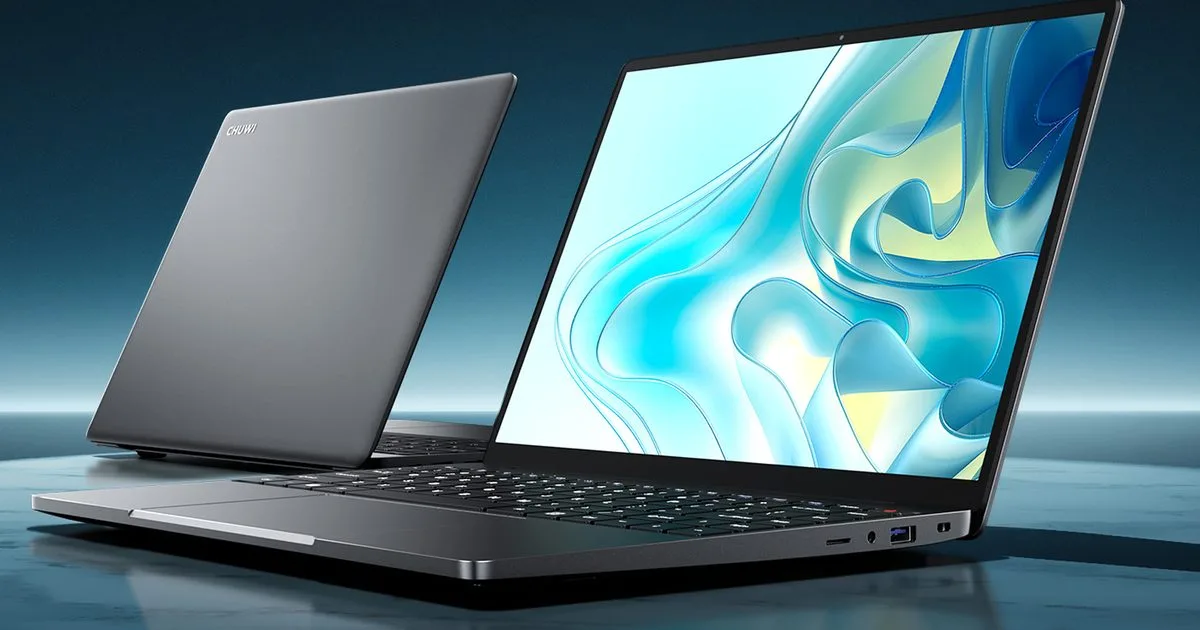
Independent investigators have uncovered a severe Chuwi laptop CPU mislabeling controversy, where older processors are being actively disguised as newer AMD chips. A recent hardware analysis revealed that the Chuwi CoreBook Plus and CoreBook X models, advertised with the 2023 AMD Ryzen 5 7430U, actually ship with the older 2021 Ryzen 5 5500U. This deceptive practice directly impacts budget laptop buyers, serving as a critical warning that software-based system checks are no longer sufficient to verify hardware authenticity.
The investigation, spearheaded by the hardware publication Notebookcheck, highlights a sophisticated level of specification spoofing. According to the report, the laptop's packaging, official product pages, BIOS, and even standard Windows system tools are all configured to falsely identify the processor as the Ryzen 5 7430U. Because the firmware masks the true hardware, everyday consumers have no way to detect the discrepancy without physically opening the device to inspect the silicon. This discovery raises serious concerns about transparency and consumer trust within the highly competitive budget PC hardware market.
While both chips belong to the Ryzen 5 family, the architectural differences are significant. The advertised Ryzen 5 7430U is a Zen 3 processor that features a higher boost clock and 16 MB of L3 cache. In contrast, the actual chip inside the chassis, the Ryzen 5 5500U, relies on the older Zen 2 architecture and contains only 8 MB of L3 cache. This hardware downgrade translates to noticeably lower performance in demanding workloads, effectively tricking buyers into paying a premium for a system that should cost significantly less.
The controversy extends beyond a single isolated manufacturing error. Investigators noted that the Chuwi CoreBook X exhibited the exact same processor mismatch, making a simple labeling mistake highly unlikely. In response to the findings, Chuwi reportedly stated it is conducting an internal investigation.
However, the company also allegedly threatened Notebookcheck with legal action over reputational damage. This demand to remove the initial reports ultimately prompted the outlet to dig even deeper into the hardware, exposing the full extent of the firmware manipulation.
My Take: The Danger of Firmware Spoofing
The Chuwi laptop CPU mislabeling incident represents a dangerous escalation in budget hardware deception. Historically, shady manufacturers might lie on a spec sheet, but spoofing the BIOS and Windows system tools to report a fake AMD Ryzen 5 7430U crosses a major line. This forces a paradigm shift for hardware reviewers and consumers alike; we can no longer trust software diagnostics like Task Manager if the underlying firmware is compromised. Moving forward, I expect major retail platforms to face increased pressure to independently verify the internal hardware of budget brands before allowing them to list products.
Frequently Asked Questions
Which Chuwi laptops are affected by the CPU mislabeling?
Independent testing has confirmed that both the Chuwi CoreBook Plus and the Chuwi CoreBook X are affected by this hardware discrepancy.
What processor is actually inside these laptops?
While advertised and programmed to show an AMD Ryzen 5 7430U, the laptops actually contain the older AMD Ryzen 5 5500U processor.
Can I use Windows to check if my laptop has the fake chip?
No. The BIOS and Windows system tools have been spoofed to report the newer chip, meaning the only way to verify the true processor is by physically opening the laptop.