Testing the RadRunner Max: E-Bike as Car Replacement
The RadRunner Max from Rad Power Bikes promises to upend urban commuting by packing car-like utility into an electric cargo bike. In a hands-on test featured on CNET, the bike faced a morning commute and a challenging hill climb to prove its mettle against traditional vehicles. Riders often seek alternatives to cars amid rising fuel costs, traffic congestion, and parking woes, making this e-bike a timely contender.
Commute Performance Breakdown
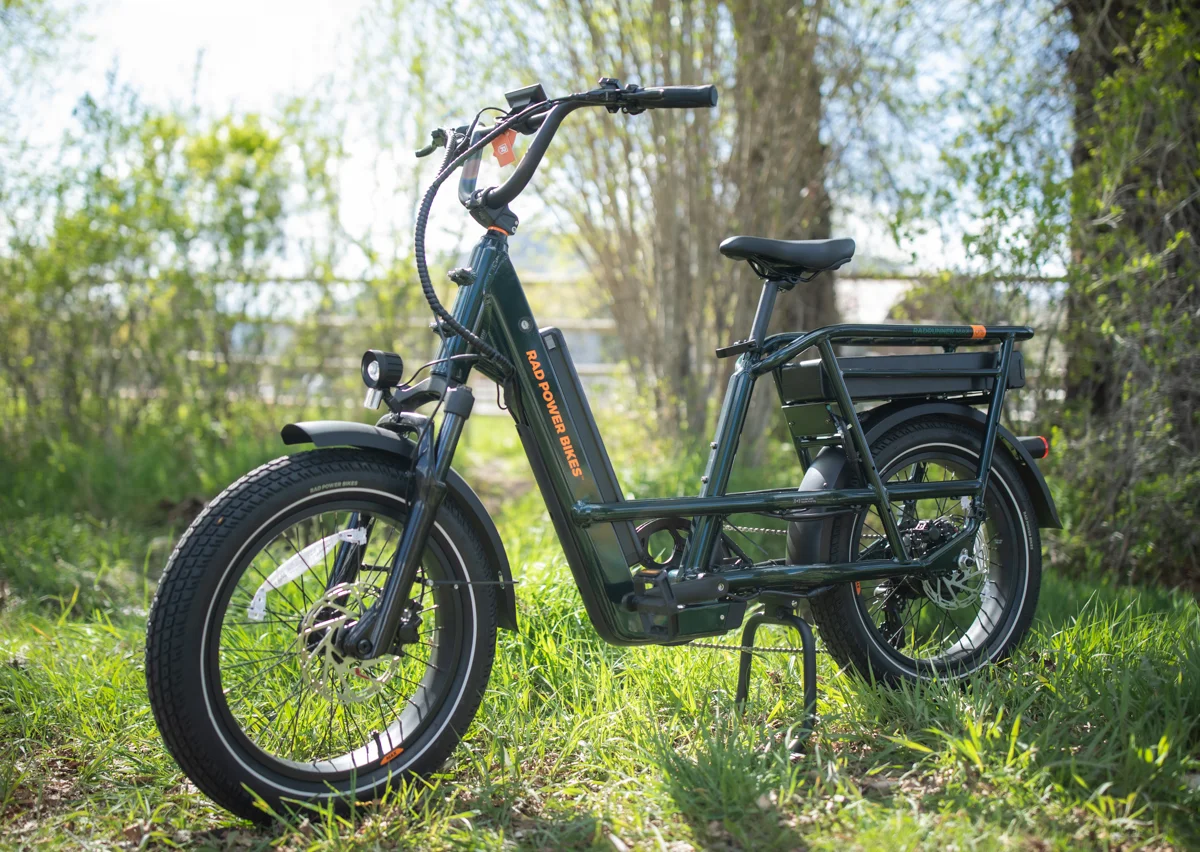
During the morning commute, the RadRunner Max handled city streets with ease. Its 750-watt motor delivered smooth acceleration, reaching speeds up to 28 mph in pedal-assist mode. The test compared it directly to a car: the e-bike shaved minutes off travel time in stop-and-go traffic, where bikes slip through gaps cars cannot. Cargo capacity shone here the bike's rear rack supported groceries, kids' seats, or work gear, mimicking a car's trunk without the emissions.
- Top speed: 28 mph, competitive with urban car averages.
- Battery range: Up to 45 miles, sufficient for most daily trips.
- Weight capacity: 350 pounds total, including rider and payload.
Human riders report a sense of freedom on the RadRunner Max, pedaling alongside cars while avoiding gridlock frustration that plagues daily drivers.
Conquering the Big Hill
The real test came on a steep incline simulating tough terrain. The e-bike's torque sensor adjusted power seamlessly, powering up grades where cars might struggle with traction or fuel inefficiency. No excessive strain on the riderthe motor did the heavy lifting, maintaining momentum. This performance highlights why e-cargo bikes appeal to those in hilly neighborhoods, offering a fitness boost without exhaustion.
Key Specs in Action
- Motor: 750W hub-drive with 120 Nm torque.
- Battery: 48V, removable for indoor charging.
- Brakes: Hydraulic disc for reliable stopping power.
- Accessories: Integrated lights, fenders, and optional passenger seats.
Compared to cars, the RadRunner Max costs pennies per mile to operate, with electricity far cheaper than gas.
Why This Matters
This test matters because urban dwellers face car dependency's downsides: high ownership costs averaging $10,000 yearly per vehicle, plus environmental impact from tailpipe emissions. The RadRunner Max cuts those expenses dramaticallypriced around $2,000, it pays for itself quickly through saved fuel and maintenance. For families, it enables car-free errands, reducing household carbon footprints by up to 50% in short-trip scenarios, per urban mobility studies.
Realistic Scenario: The Urban Parent's Day
Imagine Sarah, a working mom in Seattle. She loads her two kids and school bags onto the RadRunner Max's rear platform, zips to drop-off in 15 minutesfaster than driving through rush hour. Post-drop-off, she hits the grocery store, racks up produce without lifting bags into a trunk. Home by mid-morning, she's saved $5 in gas and avoided parking hunts, all while getting fresh air.
Forward-Looking Implications
As cities expand bike lanes and e-bike incentiveslike U.S. federal rebates up to $1,500models like the RadRunner Max signal a shift. Expect more integrations: app-based tracking, swappable batteries, and AI route optimization. By 2030, e-cargo bikes could claim 10% of urban short trips, pressuring carmakers to electrify further and planners to prioritize micromobility infrastructure.
Limitations and Maintenance Tips
No replacement is perfect. The RadRunner Max falters in bad weather or long highways, where cars excel. Maintenance mirrors bike care: check tire pressure weekly, clean chain monthly, and store battery at 50% charge off-season. Rad Power's warranty covers two years, with U.S.-based support easing ownership.
Overall, the test proves the RadRunner Max viable for many, blending car utility with bike agility. For commuters ditching keys, it's a compelling start.
This article was written by AI from reporting by cnet.com.