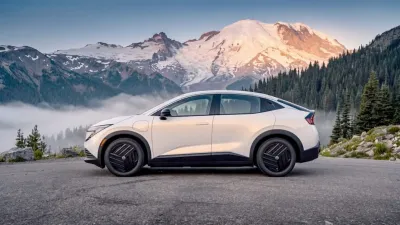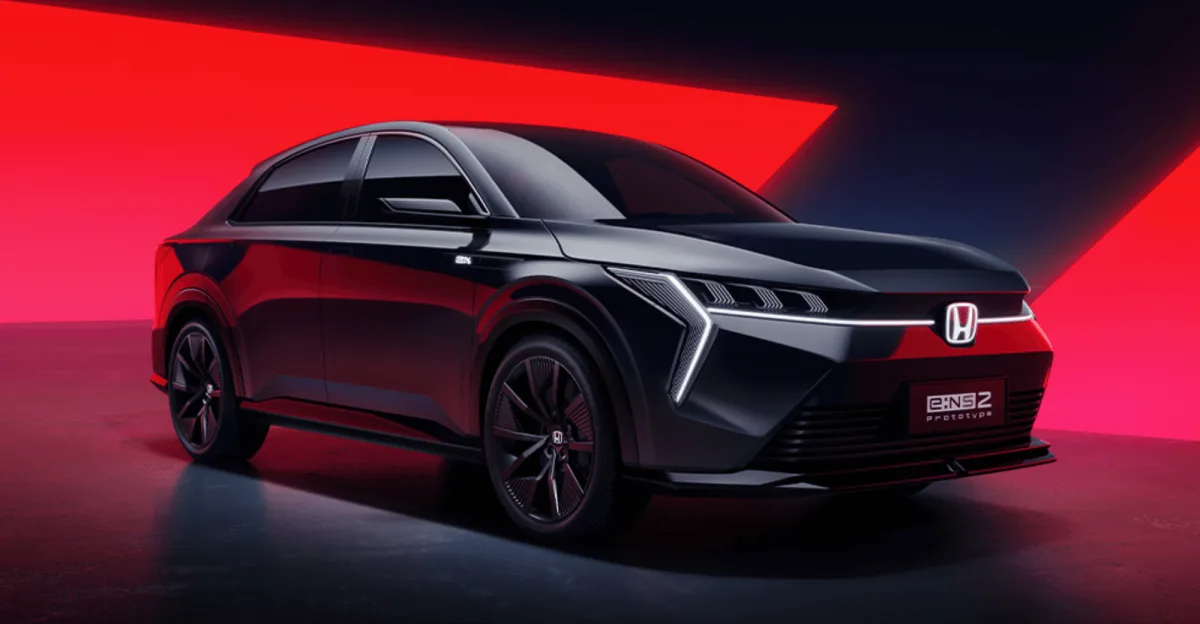
The Honda Insight PHEV reverse export strategy is officially underway, marking the first time a Chinese-made Honda passenger car will be sold in Japan under the primary brand name. In a surprising pivot driven by cooling global electric vehicle demand, Honda is recalibrating its manufacturing footprint to prioritize plug-in hybrids. This strategic realignment is crucial for automotive industry analysts, investors, and consumers tracking the volatile transition from internal combustion engines to fully electric fleets. Understanding this shift provides clear insight into how legacy automakers are mitigating massive financial risks by leveraging cross-border joint ventures.
On March 19, Honda China confirmed that pre-orders have officially opened for the all-new Insight, a plug-in hybrid electric vehicle (PHEV) manufactured at the Dongfeng Honda joint venture facility in Wuhan, China. The official market launch is scheduled for spring 2026. Pricing for the new model is set between 239,900 yuan and 289,900 yuan, which translates to approximately 3.38 million to 4.08 million yen. By reviving the "Insight" nameplate - originally launched in 1999 as Honda's first mass-produced hybrid - the automaker is sending a clear signal about its renewed commitment to hybrid technology.
This unprecedented import strategy highlights severe underlying challenges within Honda's broader electrification roadmap. On March 12, the company announced the abrupt cancellation of three highly anticipated North American EVs: the Honda 0 SUV, the Honda 0 Saloon, and the Acura RSX. Executives cited slowing U.S. EV demand, looming tariff uncertainties, and rapidly declining profitability as the primary drivers for this decision. Consequently, Honda expects to absorb staggering financial losses of up to 2.5 trillion yen related to this aggressive strategic reassessment.
The situation in the Chinese domestic market has also forced Honda's hand. Facing fierce competition from aggressive local manufacturers like BYD, Chinese-made Honda sales plummeted by 26.5% in 2025, dropping to 1.075 million units. The decline in pure EV sales was even more severe, crashing by 47.7% year-over-year. To counter this massive loss of market share and reduce idle factory capacity, Honda is pivoting hard toward hybrid production and utilizing its Chinese facilities as global export hubs.
Technical Specifications: The 2026 Insight PHEV
To ensure the imported Insight meets the expectations of the Japanese domestic market, Honda has equipped the vehicle with its advanced e:HEV powertrain system. The architecture is built on the enhanced Honda Global Compact Series platform, prioritizing both interior space and structural rigidity. Furthermore, the vehicle integrates the Honda SENSING 4.0 suite to deliver modern active safety and driver-assistance features.
| Specification | Detail |
|---|---|
| Powertrain | e:HEV system (2.0L Atkinson-cycle engine + two electric motors) |
| EV Only Range | Over 100 km (CLTC standard) |
| Total Combined Range | Over 1,200 km |
| Architecture | Honda Global Compact Series |
| Safety Technology | Honda SENSING 4.0 |
| Manufacturing Plant | Dongfeng Honda (Wuhan, China) |
This reverse export initiative from China is part of a much larger global restructuring of Honda's supply chain. The automaker has already confirmed plans to import the U.S.-built Integra Type S and the Passport SUV into the Japanese market in 2026. By importing vehicles from both China and the United States, Honda aims to fill critical gaps in its domestic lineup without overburdening its constrained Japanese production facilities.
My Take
Honda's decision to reverse export the Insight PHEV is a masterclass in pragmatic crisis management. The cancellation of the Honda 0 SUV, Honda 0 Saloon, and Acura RSX, coupled with a projected 2.5 trillion yen loss, proves that the initial timeline for total electrification was overly optimistic. By utilizing the Dongfeng Honda plant in Wuhan to supply Japan, Honda achieves two critical goals simultaneously: it monetizes idle factory capacity in a shrinking Chinese market (where its EV sales dropped 47.7%) and rapidly delivers high-margin hybrids to a Japanese consumer base that still heavily favors PHEV technology. However, the ultimate success of this strategy will hinge entirely on whether Japanese buyers can overcome historical hesitations regarding "Made in China" automotive quality.
Frequently Asked Questions
When will the China-built Honda Insight PHEV be available in Japan?
Pre-orders began on March 19, with the official market launch scheduled for spring 2026. The vehicle will be priced between 3.38 million and 4.08 million yen.
Why did Honda cancel its upcoming North American EVs?
Honda canceled the development of the Honda 0 SUV, Honda 0 Saloon, and Acura RSX due to slowing consumer demand for EVs in the U.S., tariff uncertainties, and concerns over long-term profitability.
What is the electric range of the new Insight PHEV?
The vehicle features an EV-only range of over 100 km based on the CLTC standard, with a total combined driving range exceeding 1,200 km thanks to its 2.0L Atkinson-cycle engine and dual electric motors.