Expanding EV Access in Urban London
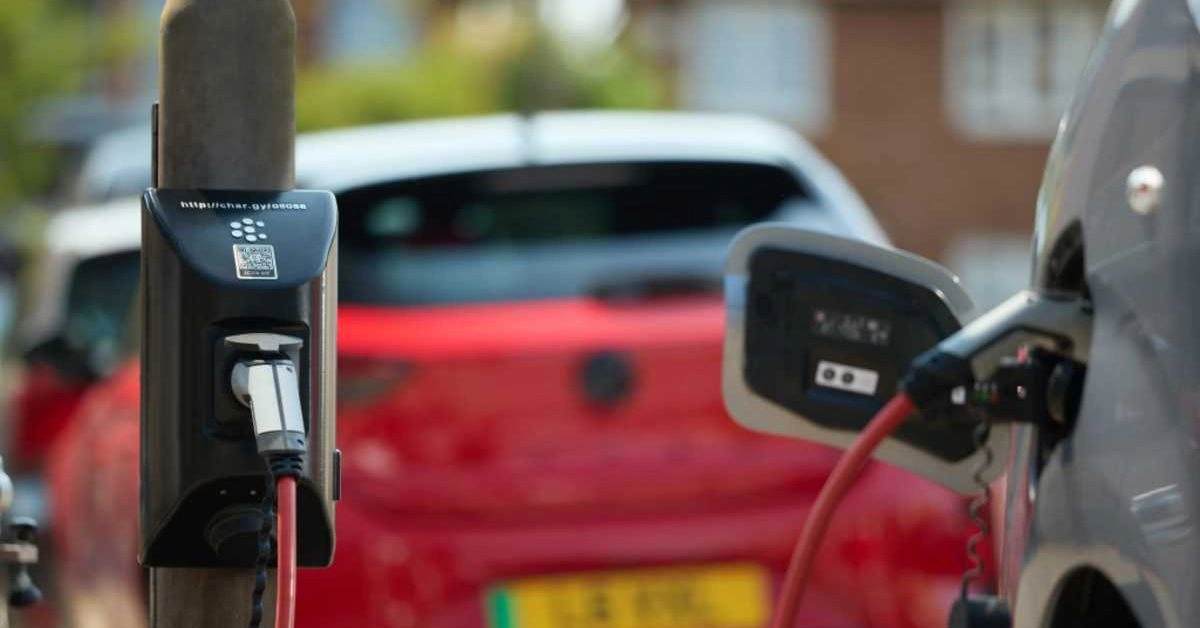
The London Borough of Harrow is addressing a key barrier to electric vehicle adoption by installing 500 new curbside EV chargers across residential streets. These low-powered units, mounted on existing lamp posts, cater specifically to residents without off-street parking or driveways, enabling convenient overnight charging right outside their homes.
Of the total, 225 chargers are already operational, with the remaining 275 scheduled for completion by October 2028. Partnering with UK charging provider char.gy, the initiative uses lamp-column chargers designed for long-stay parking typical in urban neighborhoods. All units run on 100% renewable electricity, with variable pricing that includes cheaper overnight rates to encourage off-peak use.
Why This Matters
This rollout matters because it tackles the 'chicken-and-egg' problem of EV adoption in dense cities: drivers hesitate to switch without reliable public charging, especially near home. Harrow's project builds on over 100 existing on-street chargers from prior government-backed efforts like the On-Street Residential Chargepoint Scheme (ORCS), amplifying the borough's climate strategy to cut emissions. For residents, it means less time circling for plugs and more confidence in daily EV use, directly supporting the UK's push toward net-zero transport.
Councillor David Ashton, Harrow's cabinet member for finance and highways, emphasized the resident-focused approach: “We’re putting residents first by making it easier to charge electric vehicles where people actually live.” char.gy CEO John Lewis added that the expansion aids "everyday drivers: people who live without a driveway, those switching to electric for the first time, and anyone who wants reliable, affordable charging close to home."
A Realistic Scenario for Harrow Drivers
Consider Sarah, a nurse in Harrow who parks on her street after long shifts. Without a driveway, she previously relied on distant public stations. Now, she plugs into a nearby lamp-post charger via the Zapmap app, which shows live status and handles payments seamlessly. Overnight, her EV tops up at a reduced rate using green energy, ready for morning commutessaving time, money, and reducing range anxiety that once kept her in a gas car.
Technical Details and Integration
The chargers deliver low-power output suited for extended sessions, ideal for overnight top-ups rather than rapid boosts. Integration with Zapmap provides real-time availability and easy payments, enhancing user experience. This setup minimizes infrastructure costs by leveraging existing street lamps, a scalable model for other boroughs facing similar space constraints.
Forward-Looking Implications
Looking ahead, Harrow's project could set a blueprint for UK-wide urban EV infrastructure, potentially accelerating national targets for 300,000 public chargers by 2030. Success here might inspire similar lamp-post deployments elsewhere, normalizing curbside charging and boosting EV sales among apartment dwellers. As battery tech improves and costs fall, such networks will be pivotal in making EVs viable for the masses, fostering cleaner air and quieter streets in cities like London.
For the roughly 40% of UK households without driveways, this humanizes the green transitionturning abstract climate goals into practical daily wins for families, commuters, and first-time EV buyers. Harrow's move not only expands charging options but also builds momentum for broader electrification, proving local action can drive systemic change.
This article was written by AI from reporting by electrek.co.