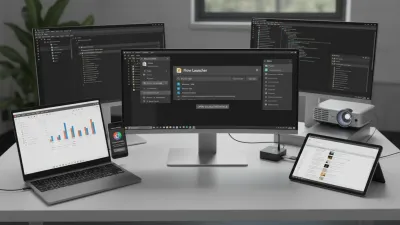
PC users tired of keeping a browser tab permanently pinned for AI assistance finally have a native solution. Google has officially launched a dedicated Gemini desktop app for Windows 10 and 11, bringing its AI ecosystem directly to the desktop with a floating overlay.
The new standalone application supports both x86 and Arm architectures, mirroring the accessibility Mac users have had on macOS. Instead of relying on browser extensions, users can now summon a floating Gemini window over any active workflow by simply pressing Alt + Space on Windows, or Option + Space on macOS. The app acts as a dedicated container, requiring a modest 8GB of RAM, 200MB of disk space, and a stable internet connection to function.
Beyond basic chat, the Gemini app in Windows serves as a full desktop workspace deeply connected to the Google ecosystem. It integrates directly with Google Workspace tools, allowing users to pull information from Gmail, Docs, Drive, and Calendar. Google notes that users can hand off multi-step tasks to Gemini Spark 1, described as a 24/7 personal AI agent, or generate custom visuals using the Nano Banana image generation model. Because it links to a central Google account, all chat history and memory seamlessly sync across devices.
Getting Started with Gemini on Desktop
- Quick Access: Use the Alt + Space keyboard shortcut to instantly open the floating overlay without disrupting your current application.
- Workspace Integration: Ask the AI to draft project summaries by explicitly directing it to pull data from your connected Gmail or Google Drive accounts.
- Visual Creation: Prompt the Nano Banana model to render custom images directly within the desktop interface.
The Container Strategy vs. Deep OS Integration
While the dedicated app offers undeniable convenience over a browser tab, Google’s approach highlights a stark contrast with Microsoft's Copilot. Gemini operates as a standalone container rather than an AI woven into the core of the Windows operating system. This means it cannot change system settings or interact with local files the way a native OS assistant might.
However, by keeping the hardware requirements low and focusing heavily on Google Workspace integration, Google is clearly targeting productivity users who live in its cloud ecosystem. This strategic move ensures that users heavily invested in Gmail and Docs do not need to switch to Microsoft's tools just to get a native, frictionless desktop AI experience.