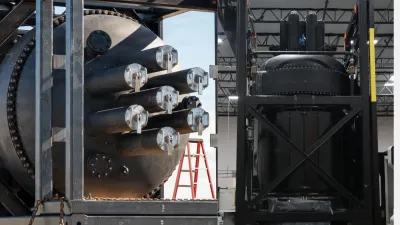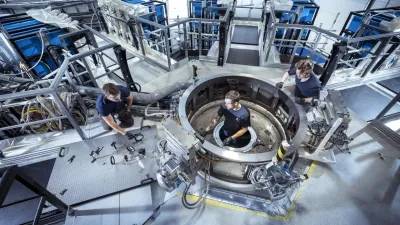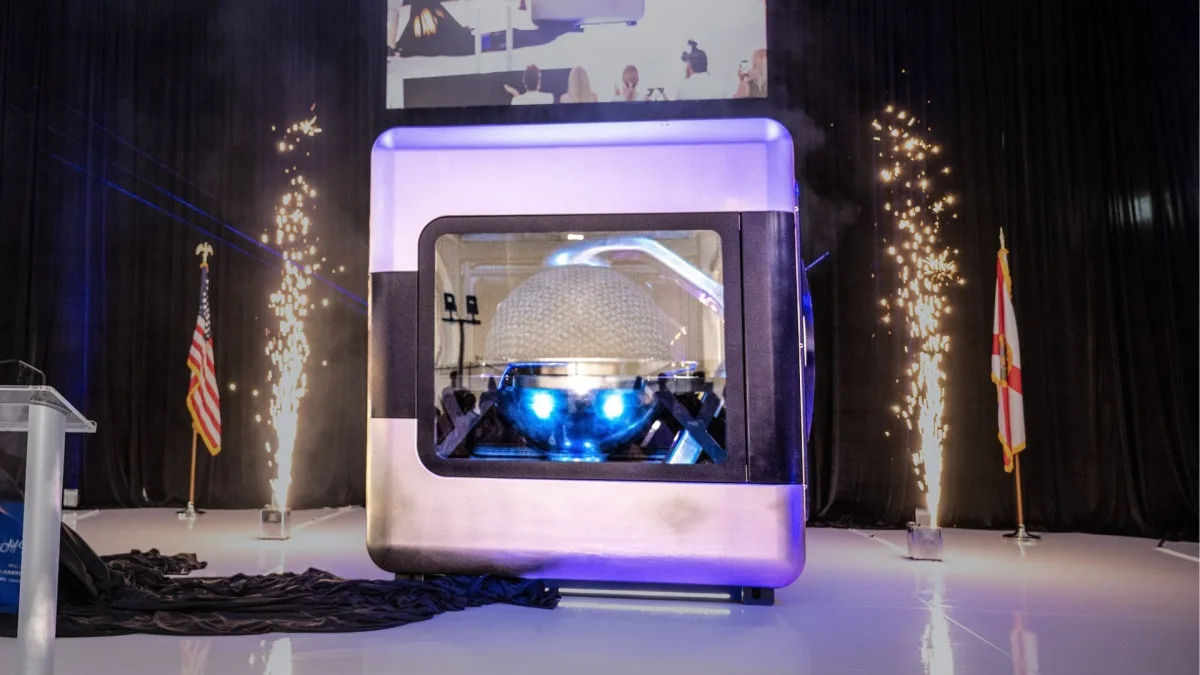
US-based energy technology firm AMPERA has successfully manufactured the world's first full-scale, 3D-printed nuclear reactor component, marking a critical step toward factory-built, mass-produced microreactors. Designed to generate 30 megawatts (MW) of electrical power, the subcritical, solid-state system abandons traditional uranium in favor of thorium fuel to supply immediate, localized power to energy-intensive sectors like artificial intelligence data centers and military installations.
The reactor architecture relies on a specialized spherical monolithic gyroid core structure. Engineers manufactured this component out of silicon carbide using advanced 3D printing equipment. The internal geometry is rated to withstand operational wear for up to three decades without requiring fuel replenishment.
Instead of the uranium rods found in standard commercial reactors, the company uses tri-structural isotropic fuel kernels made from thorium. The physical configuration achieves passive safety operational profiles by relying on subcritical physics variables and inherent material limitations. This structural design curtails the necessity for active safety mechanisms, electronic trip switches, or manual operator control interventions during an operational deviation.
This next-generation nuclear core and pressure vessel sets the foundation for factory-built, mass-produced nuclear energy.
- Brian Matthews, Founder and CEO, AMPERA
To establish a predictable stream of raw materials, the hardware developer set up a dedicated subsidiary corporation located in Australia. This division manages the extraction and initial transport logistics for the raw thorium resource. AMPERA handles the processing internally through a localized supply network, converting the raw material into usable kernels via additive manufacturing protocols and proprietary liquid jetting methods.
The Integrated Energy Architecture Strategy
The introduction of the physical module follows the rollout of a temporary market deployment strategy called Integrated Energy Architecture. This operational model provides industrial customers with intermediate power options while the nuclear components clear lengthy regulatory review cycles.
The alternative units utilize conventional gas power systems and waste heat recovery mechanisms to generate high-efficiency electricity. These modular, gas-powered systems leverage AMPERA's proprietary supercritical carbon dioxide technology and share two-thirds of their design with the final nuclear configuration.
AMPERA intends to market these manufactured microreactors directly to high-consumption industrial sectors that require immediate localized power infrastructure. The target demographics include AI data centers, maritime propulsion systems, military defense installations, and heavy industrial facilities.
The Regulatory Race for Localized Power
AMPERA’s pivot to an interim gas-powered Integrated Energy Architecture reveals the harsh reality of the nuclear sector: regulatory bottlenecks move much slower than technological innovation. By sharing two-thirds of the architecture with the final nuclear product, AMPERA is cleverly securing early revenue and testing its supercritical carbon dioxide systems in the field while waiting for federal agencies to approve the thorium core.
Furthermore, targeting AI data centers with a 30 MW output is highly strategic. As tech giants struggle to power gigawatt-scale AI training clusters, localized, factory-built microreactors that bypass the aging national grid could become the definitive solution to the AI energy crisis. If AMPERA can successfully scale its 3D-printing manufacturing process, it could drastically reduce the capital costs and deployment timelines that have historically paralyzed the nuclear industry.
This article was written by AI from reporting by interestingengineering.com.