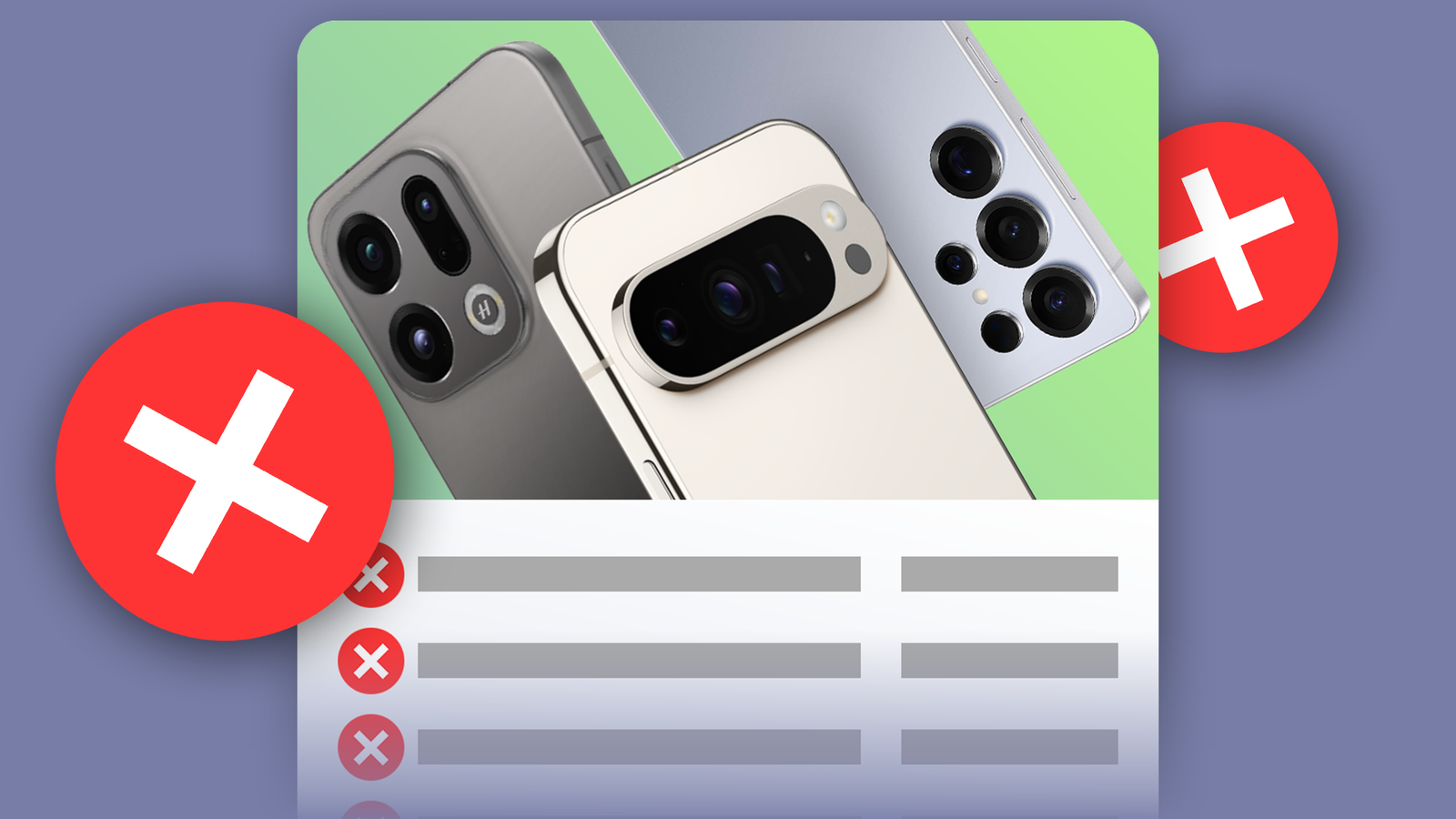
2026 Smartphone Wars: Beyond the Spec Sheet
In 2026, the smartphone landscape has evolved dramatically. Flagship Android devices from Oppo, Vivo, and Samsung pack impressive hardware on paper, yet experts argue that raw specifications no longer define the best phones. Instead, practical features like camera consistency, software support duration, and display usability in real-world conditions are taking center stage. This shift challenges the iPhone vs Android debate, where Apple's iPhone 17 Pro Max holds its own despite inferior battery and sensor specs.
Why Specs Are Losing Relevance
For years, phone reviews fixated on metrics: processor speed, megapixel counts, battery capacity, and peak brightness. But mid-range 2026 Android phones now deliver flagship-level performance for everyday tasks like browsing, streaming, and light gaming. High-end chips power even budget devices sufficiently, making incremental upgrades meaningless.
Take battery life. Chinese flagships like the Oppo Find X9 Pro and Vivo X300 Pro feature 7,000mAh+ batteriesnearly 50% larger than the iPhone 17 Pro Max's 5,088mAh cell. Yet, real-world tests show they only edge out the iPhone by a few hours. Apple's software optimization squeezes more efficiency from smaller packs, proving capacity alone doesn't win endurance battles.
Camera Reliability Over Megapixels
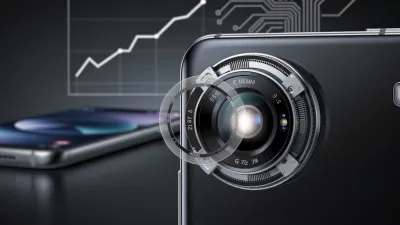
Camera systems highlight this trend starkly. The Samsung Galaxy S25 Ultra boasts a 200MP main sensor, ultrawide lens, and dual telephotos with 3x and 5x optical zoomon paper, more versatile than the iPhone 17 Pro Max or Google Pixel 10 Pro XL. However, Samsung's setup falters in motion capture, often blurring photos of kids or pets.
Premium Chinese models like Oppo Find X9 Pro and Vivo X300 Pro suffer similar issues despite high-res sensors. Reviewers prefer the iPhone 17 Pro Max for its consistent imaging across scenarios, underscoring that computational photography and software tuning outweigh hardware specs.
Display Tech: Anti-Glare Matters More Than Brightness
Display specs tell a similar story. Manufacturers chase ever-higher peak brightness figures, but in 2026, this race feels pointless. Only Samsung's Galaxy flagships and the iPhone 17 lineup offer anti-reflective coatings that reduce glare effectively outdoors. Without it, even 3,000-nit screens wash out under sunlight. Android makers should prioritize this practical upgrade over meaningless brightness boosts.
Software Updates: The New Kingmaker
Long-term support separates winners from losers. Most premium Android flagships now promise 5-7 years of OS updates, matching or exceeding iOS. Samsung leads here, but consistency varies across brands. Quick update delivery ensures security and new features, far more valuable than a marginally faster chipset.
Upcoming 2026 Launches Fuel the Debate
Looking ahead, March brings two Android heavyweights: Vivo X300 Ultra and Oppo Find X9 Ultra, both tipped for Snapdragon 8 Elite Gen processors. These could redefine high-end Android with massive batteries and advanced cameras, but success hinges on feature execution. Later, Samsung's Galaxy Z Flip 8 arrives in July with a 6.9-inch Dynamic AMOLED 2X display, pushing foldables further. Early 2026 also sees Pixel 10a, iPhone 17e, Honor Magic V6, and Xiaomi 17 series global debuts.
These launches intensify iPhone vs Android rivalry. Will Android's spec advantages translate to user satisfaction, or will Apple's feature polish prevail? Early signs point to a features-first era.
Impact on Buyers and Manufacturers
For consumers, this means scrutinizing reviews for real-world performance over spec sheets. Budget buyers benefit as mid-rangers close the gap. Manufacturers face pressure to innovate in software and usability, not just hardware stacking.
In the iPhone vs Android arena, 2026 flagships like Galaxy S25 Ultra, Oppo Find X9 Pro, Vivo X300 Pro, and iPhone 17 Pro Max exemplify the change. Specs set a baseline; features build loyalty. As we hit mid-2026, expect more emphasis on anti-glare displays, motion-stable cameras, and ironclad update promises.
- Battery Reality: 7,000mAh Android vs iPhone's optimized 5,088mAhminimal daily difference.
- Camera Edge: iPhone wins reliability despite lower-res sensors.
- Display Must-Have: Anti-reflective coating over peak nits.
- Update Standard: 5-7 years across flagships.
This paradigm shift promises smarter smartphone evolution, prioritizing what users actually notice.