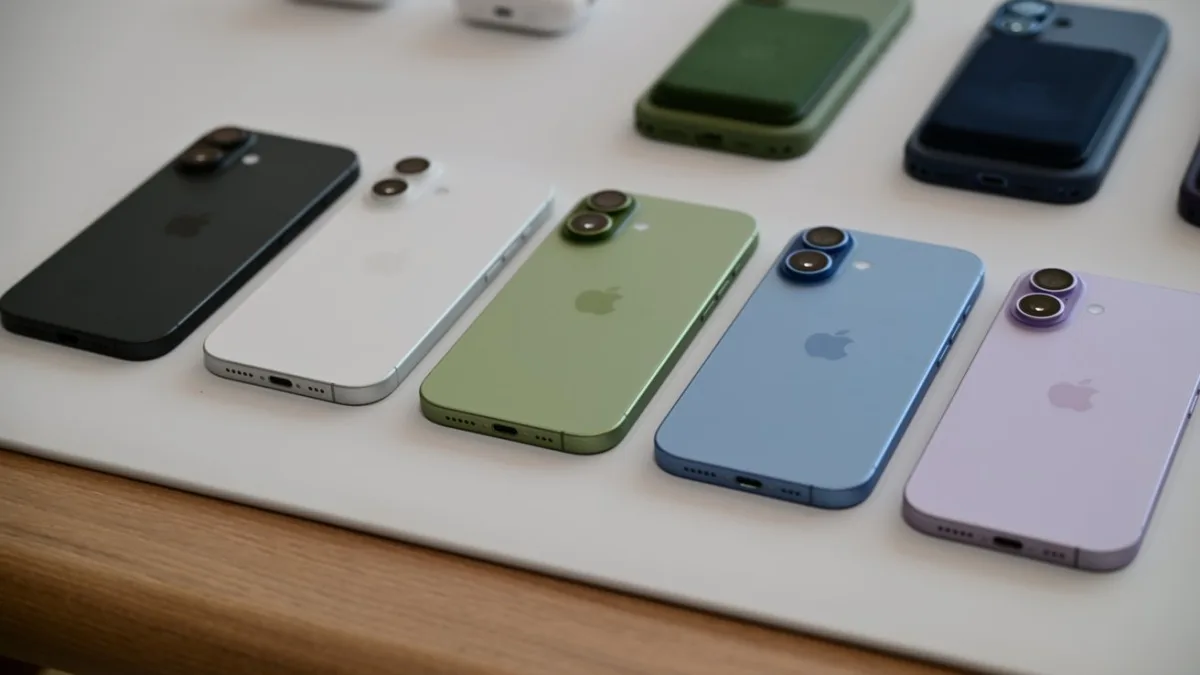
The base model iPhone 17 has officially claimed the title of the world's best-selling smartphone for the first quarter of 2026. Outpacing both its premium siblings and fierce Android competition, the standard device captured a massive 6% of all global smartphone sales. This surge in demand was a primary driver behind Apple's record-breaking March quarter, which saw iPhone revenue climb to $85.3 billion - up from $69.1 billion the previous year.
According to data from Counterpoint Research, the standard model led the pack, followed closely by the iPhone 17 Pro Max and iPhone 17 Pro. The company also experienced a significant 20% increase in iPhone sales within the critical Chinese market during this period. This shift in consumer preference highlights a changing landscape where the standard iPhone 17 now boasts compelling high-end features.
With the introduction of ProMotion displays and a screen size identical to the iPhone 17 Pro Max, the gap between the base and premium tiers has narrowed drastically. For most buyers, the absence of a dedicated telephoto camera is the only meaningful compromise, making the standard model an unbeatable balance of cost and capability. While the traditional models thrive, the ultra-thin iPhone Air failed to crack the top 10 best-selling smartphones globally for Q1 2026.
Trailing behind Apple's flagship lineup are budget-friendly alternatives, including Samsung's Galaxy A07 5G and Galaxy A17 5G. In sixth place sits the older standard iPhone 16, followed by two additional Samsung devices and the Xiaomi Redmi A5.
Apple's Rumored Twice-a-Year Release Strategy
This predictable demand cycle - where enthusiasts buy Pro models in the fall and mainstream consumers adopt the base models in the spring - could fundamentally alter Apple's roadmap. Industry rumors suggest a shift to a twice-a-year release cycle starting with the iPhone 18 generation. Under this new strategy, the iPhone 18 Pro and Pro Max would launch in the fall, while the standard iPhone 18 and a rumored iPhone 18e would debut in the spring of 2027.
Additionally, Apple's highly anticipated first foldable phone is expected to arrive between September and December 2026. Even if this foldable device reaches upgraders later than the usual September window, analysts predict it will not disrupt the overall demand for the established Pro lineup.
The Cannibalization of the Premium Tier
The overwhelming success of the base iPhone 17 proves that Apple has finally given mainstream consumers exactly what they want, but perhaps at the expense of its own premium upsell strategy. By bringing ProMotion and larger displays to the standard tier, Apple effectively removed the primary friction points that historically pushed buyers toward the Pro models. Capturing 6% of the entire global market in a single quarter is a monumental achievement, yet it explains why the ultra-thin iPhone Air is struggling to find an audience.
Moving forward, splitting the release calendar into a fall Pro launch and a spring standard launch is a logical defensive maneuver. It will allow Apple to dominate the holiday quarter with high-margin devices like the iPhone 18 Pro and the rumored foldable, without the base model immediately cannibalizing those sales. The real test in 2027 will be whether consumers are willing to wait six months for the standard edition, or if the staggered release will push impatient buyers toward Android alternatives.