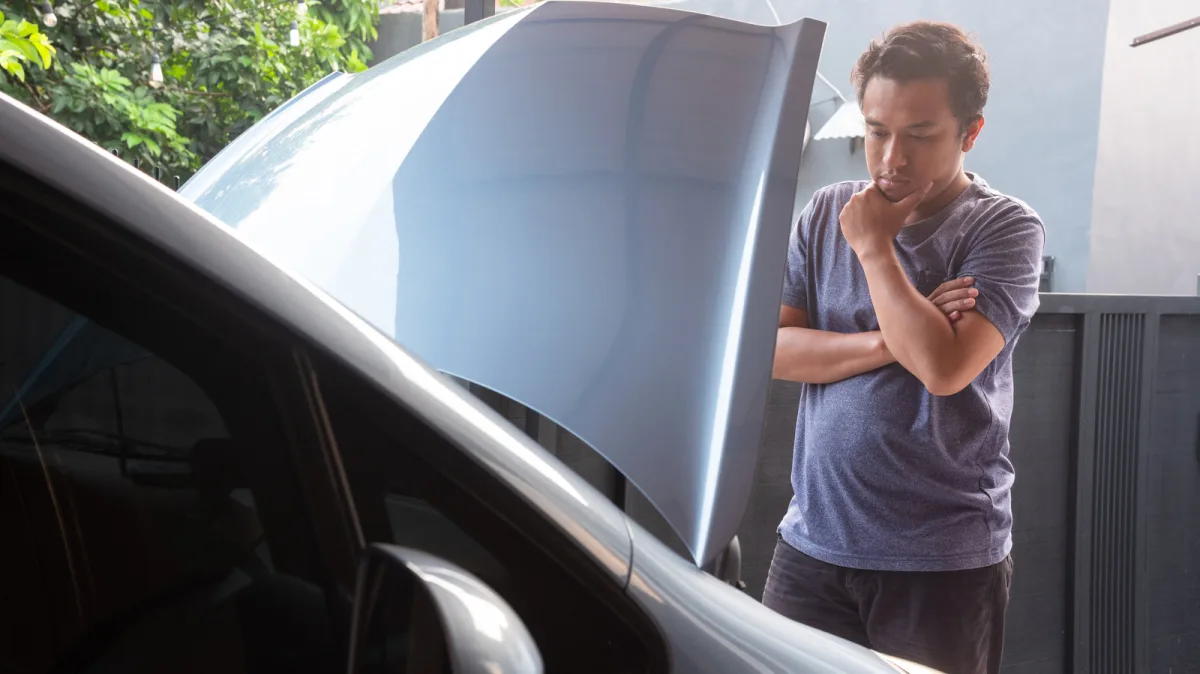
A dead car in your driveway is a logistical nightmare, often requiring expensive tows and coordinated rides just to get it to a shop. Mobile mechanics are emerging as the gig economy's answer to auto service, bringing the repair bay directly to your home. For car owners looking to skip the waiting room, this service offers unmatched convenience, but treating it like a simple food delivery app can lead to hefty cancellation fees, HOA violations, or half-finished repairs.
As automakers and independent platforms expand mobile service options, understanding the boundaries of driveway repairs is essential to avoid unexpected surprises. A mobile mechanic can save you a trip across town, but their van is not a magic portal that can handle every automotive disaster. You must prepare your physical space and understand the strict policies governing mobile work.
Prerequisites for a Driveway Repair Bay
- Verify the repair scope: Check the service menu for your specific issue before booking. This ensures the mechanic actually has the equipment; while oil changes and brake jobs are standard, wheel alignments and heavy transmission work require a conventional shop.
- Secure a safe, flat location: Park the vehicle away from moving traffic on a level surface. This enables the technician to safely lift the car and operate equipment without the risk of the vehicle rolling or weather hazards interfering.
- Check local regulations and leases: Review your HOA documents, apartment lease, or municipal codes regarding off-street repairs. This prevents property managers or city officials from halting the repair mid-job and hitting you with fines.
How to Book and Manage a Mobile Mechanic
- Book the specific diagnostic or repair online: Enter your vehicle information and describe the problem precisely through the provider's platform. This allows the mechanic to arrive with the correct parts, though vague issues like a "no-start" may require a dedicated diagnostic visit first.
- Review the cancellation and weather policies: Read the fine print regarding rescheduling fees, which can trigger within 48 hours of the appointment. This protects you from unexpected $150 charges if a sudden thunderstorm forces a cancellation or if you need to change the time.
- Verify credentials and insurance: Ask for the business registration, state license (if applicable), or ASE certification. This ensures the technician has demonstrated professional knowledge, as state licensing requirements for mobile mechanics vary wildly.
- Demand a written estimate and final invoice: Secure a quote detailing parts, labor, and diagnostic charges before work begins, and get a completed repair order afterward. This guarantees you have a paper trail for warranties and recourse if the repair fails, replacing the traditional shop counter experience.
The Hidden Cost of Gig-Economy Auto Repair
The Uberification of auto repair solves the immediate headache of towing a broken vehicle, but it fundamentally shifts the burden of infrastructure from the business to the consumer. Traditional shops absorb the cost of specialized lifts, climate-controlled bays, and hazardous waste disposal. When you hire a mobile mechanic, your driveway temporarily assumes that liability, meaning you are responsible for providing a safe, legal workspace.
Furthermore, the strict cancellation policies - sometimes charging $150 for a schedule change within 48 hours - highlight the fragile margins of mobile service. Unlike a shop where a canceled appointment just means pulling the next car into the bay, a mobile mechanic loses both the hourly rate and the travel time. Consumers must recognize that they are trading the physical waiting room for a highly rigid logistical commitment.