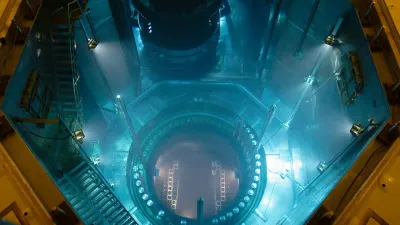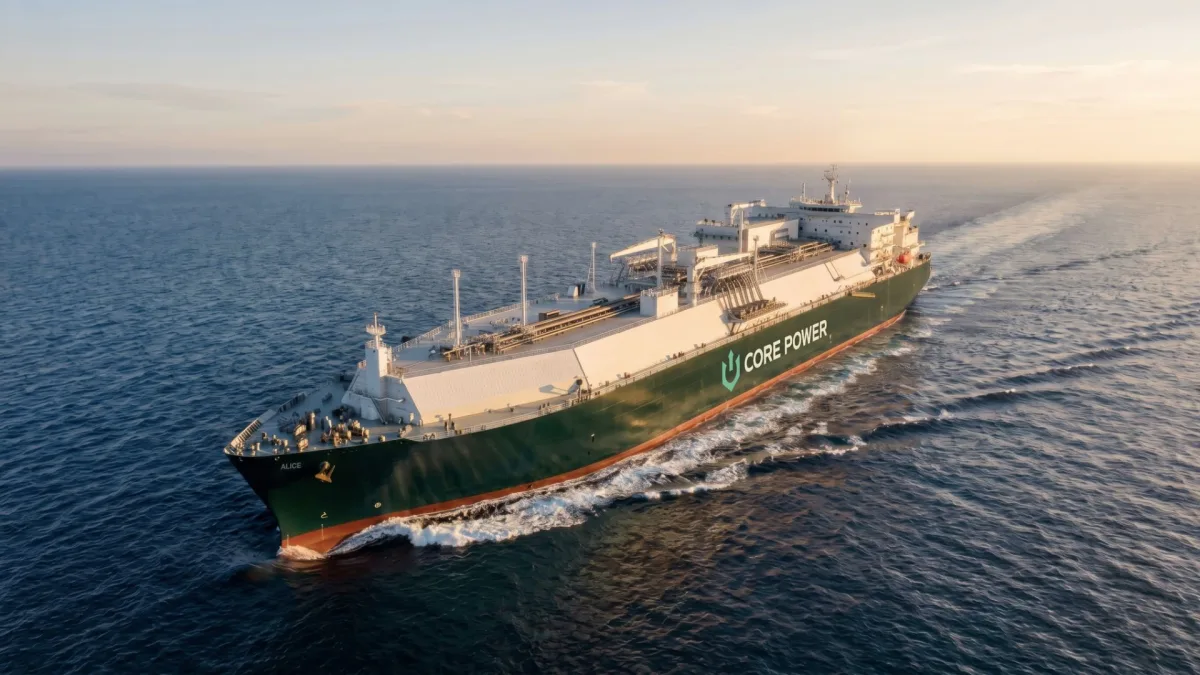
The United States is laying the groundwork for a future powered by floating nuclear power plants. In a move that could reshape regional energy grids and maritime logistics, CORE POWER and the Port of Corpus Christi Authority (PCCA) have signed a Memorandum of Collaboration to study maritime nuclear readiness.
This initiative targets the technical, environmental, and commercial requirements needed to integrate nuclear technology into a major U.S. energy gateway. For the maritime shipping industry and regional power authorities, this study represents a critical first step toward securing firm, zero-carbon energy to meet escalating industrial demands.
The collaboration focuses on gathering practical evidence for two distinct product pathways within a real-world port operating environment:
- Floating Nuclear Power Plants (FNPPs): Assessing the feasibility of deploying offshore reactors to supply reliable, firm power directly to the port and the surrounding regional grid.
- Nuclear-Powered Commercial Ships: Developing safe, predictable pathways for the transit, berthing, and routine port operations of next-generation nuclear vessels.
Ports are where energy systems and global trade meet. For floating nuclear power plants, we need to understand sites, grids, customers, operating models and long-term service arrangements.
- Mikal Bøe, CEO, CORE POWER
To broaden the scope of the initiative, the PCCA Commissioners have also agreed to execute a Memorandum of Cooperation with the U.S. Department of Transportation’s Maritime Administration. This complementary agreement will evaluate the regulatory and operational frameworks required for U.S. seaports to provide safe harbor for civil nuclear-powered vessels.
Currently, the proposed study remains a preliminary, fact-finding exercise. It does not authorize the deployment or construction of an FNPP, nor does it select a specific reactor technology, vendor, or site. Instead, it focuses on understanding shared infrastructure and safety questions to keep the region competitive for future high-value investments.
The Offshore Reactor Advantage
While nuclear-powered submarines and aircraft carriers have operated safely for decades, transitioning this technology to the commercial maritime sector presents unique regulatory hurdles. By utilizing the Port of Corpus Christi as a real-world testbed, the U.S. is proactively addressing the infrastructure bottlenecks that typically delay advanced nuclear projects.
If successful, floating reactors could bypass the land-acquisition and zoning nightmares that plague traditional onshore nuclear plants. This approach offers a modular, plug-and-play solution for coastal cities facing severe grid strain, while simultaneously establishing the necessary refueling and maintenance hubs required to finally decarbonize heavy ocean freight.
This article was written by AI from reporting by interestingengineering.com.