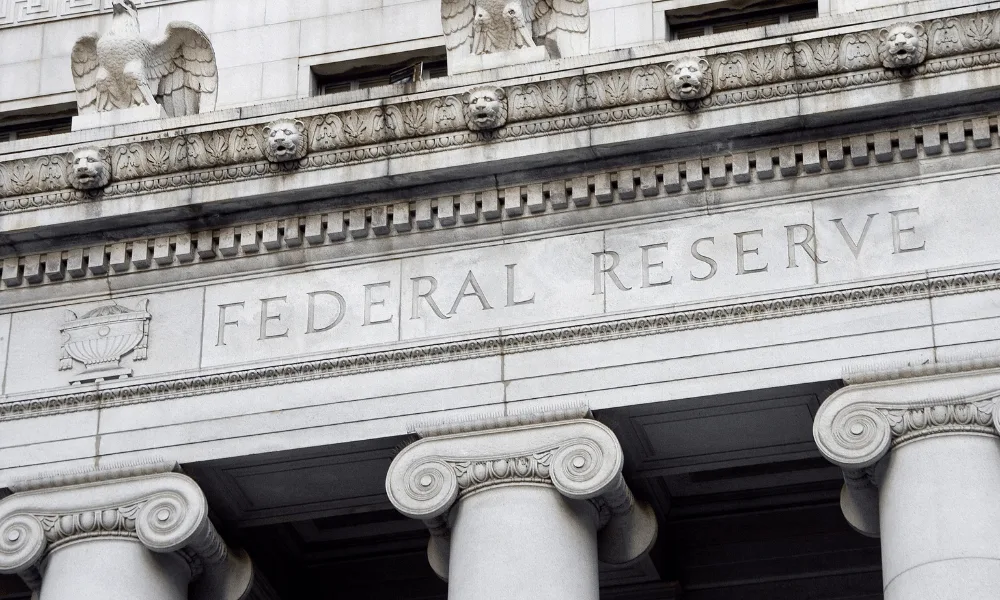
For years, digital asset companies have struggled with sudden account closures and restricted financial infrastructure. Now, a new executive order aims to secure fintech banking access by directing the Federal Reserve to evaluate how crypto firms can directly connect to core payment systems.
The directive requires the Federal Reserve Board to submit a comprehensive report within 120 days. This report will assess the legal and regulatory frameworks governing how financial technology companies interact with federal payment rails.
By gaining direct access to these systems, companies could move money more efficiently without relying on intermediary banks, which have historically been hesitant to partner with the crypto sector due to regulatory pressure.
Dismantling Operation Chokepoint 2.0
The push for broader integration follows widespread industry complaints regarding Operation Chokepoint 2.0, a term used to describe the systematic debanking of crypto businesses. According to a January report by the Cato Institute, the majority of these account closures stemmed from government pressure rather than independent bank risk assessments.
To reverse this trend, the order mandates that federal financial regulators spend the next 90 days reviewing existing rules, guidance, and no-action letters. The goal is to identify and remove barriers preventing partnerships between federally regulated institutions, such as credit unions and broker-dealers, and emerging tech firms. Whitehouse.gov News confirmed the directive's focus on streamlining these critical partnerships.
To foster this financial innovation, the federal government must update regulations to allow integration of digital assets and innovative technology into traditional financial services and payment systems.
- Executive Order, The White House
Streamlining Bank Charters for Crypto Giants
Beyond payment rails, the administration is pushing to simplify the application process for fintech firms seeking federal licenses, deposit insurance, and bank charters. A national bank trust charter allows institutions to legally engage in asset safekeeping and fiduciary activities.
The Office of the Comptroller of the Currency (OCC) has already begun moving in this direction. In December, the agency conditionally approved applications for crypto-related national trust banks, granting initial green lights to First National Digital Currency Bank, Ripple, BitGo, Fidelity Digital Assets, and Paxos.
The Systemic Shift Away from Intermediaries
If the Federal Reserve ultimately grants direct access to its payment systems, it will fundamentally alter the power dynamic in American finance. Currently, crypto exchanges and fintech apps are entirely at the mercy of traditional intermediary banks, which can sever ties overnight and freeze operations.
Direct integration would eliminate this single point of failure, drastically reducing transaction latency and operational costs for digital asset firms. Furthermore, the OCC's recent conditional approvals for heavyweights like Ripple and BitGo signal that the government is no longer just tolerating crypto - it is actively building the institutional plumbing required to embed it permanently into the US economy.