Indian export financing challenges are intensifying as the ongoing West Asia crisis disrupts critical shipping routes through the Red Sea and Suez Canal. The Federation of Indian Export Organisations (FIEO) has formally approached the Department of Financial Services to secure urgent banking support and penalty waivers for affected businesses.
This update is vital for Indian MSMEs, trade finance professionals, and global logistics operators. By understanding these emerging credit constraints, export businesses can proactively negotiate working capital extensions and avoid severe financial penalties tied to delayed shipments.
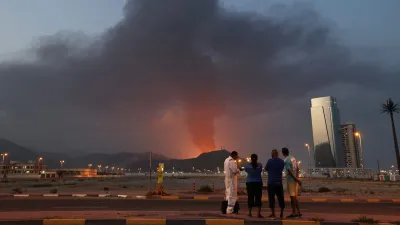
The diversion of vessels to alternate ports has drastically extended transit periods, creating a ripple effect across the banking sector. Because export finance and payments are strictly tied to documentation and cargo arrival, these logistical delays are locking up working capital and threatening the liquidity of exporters.
Financial Pressures on MSMEs and Exporters
FIEO Director General Ajay Sahai highlighted that extended voyage durations are triggering significant compliance and financing hurdles. Exporters face the risk of letter of credit (LC) discrepancies and the expiration of critical banking instruments. The crisis disproportionately impacts exporters of perishables and fashion items, who face total cargo value losses if seasonal deadlines are missed.
| Financial Metric | Estimated Impact |
|---|---|
| Penal Interest Rate | 3% to 4% higher than normal credit rate |
| Interest Equalisation Scheme Loss | 2.75% interest subvention |
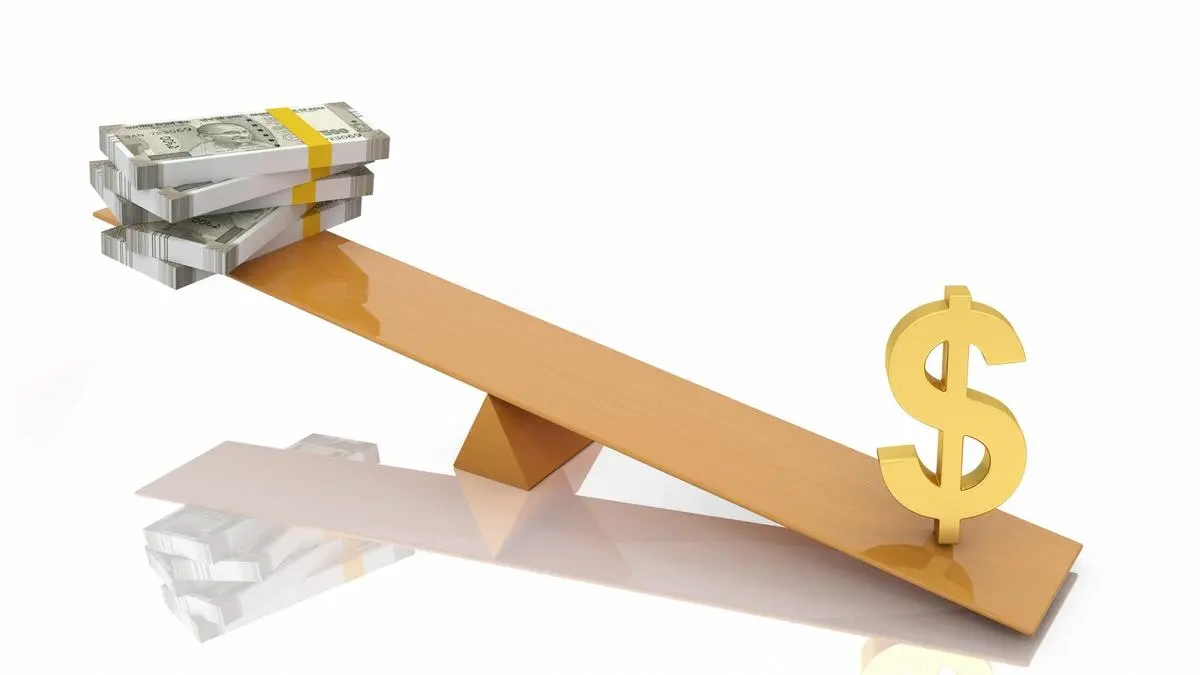
| Total Effective Credit Cost Increase | 5.75% to 6.75% |
Proposed Banking Relief Measures
To mitigate these immediate cash flow constraints, FIEO has requested several temporary regulatory adjustments from the Indian Banking Association (IBA), which has assured sympathetic consideration.
- Enhancement in the quantum of export finance to cover extended cycles.
- Waiver of penalties and deadlines for the submission and realization of payments.
- Protection of the penalty-free interest and the 2.75% interest equalisation scheme.
- Provision of working capital term loans to recover from immediate liquidity constraints.
My Take
The projected 5.75% to 6.75% surge in effective credit costs represents an unsustainable burden for Indian MSMEs operating on thin margins. If the Indian Banking Association does not swiftly implement the requested penalty waivers and working capital extensions, we will likely see a sharp contraction in export volumes for time-sensitive sectors like fashion and perishables. This situation underscores the urgent need for dynamic trade finance models that can automatically adjust credit cycles in response to verified geopolitical supply chain disruptions.
Frequently Asked Questions
What are the main Indian export financing challenges right now?
Exporters are facing severe working capital shortages and potential penal interest rates due to delayed cargo arrivals caused by shipping reroutes around the Red Sea.
How much could export credit costs increase?
Due to penal interests and the potential loss of the interest subvention scheme, the effective cost of export credit could rise by 5.75% to 6.75%.
Which export sectors are most affected?
Exporters of perishables and seasonal fashion items are the most vulnerable, as extended transit times can lead to complete loss of cargo value.