After nearly 12 months on the market, Apple's super-thin iPhone Air has proven that striking design comes with significant daily compromises. While the $999 device delivers a stunning 6.5-inch OLED display in an ultra-light form factor, long-term users are finding its battery life and single-camera setup hard to justify. For consumers prioritizing aesthetics and one-handed usability, the device remains an engineering marvel. However, for everyday buyers deciding between this and the standard iPhone 17, understanding these hardware trade-offs is crucial before making a purchase.
The defining feature of the iPhone Air is its pocketability. It is the thinnest smartphone Apple has ever released, making it noticeably lighter and easier to manage than the heavier iPhone 17 Pro and Pro Max models. Despite the drastic reduction in chassis thickness, Apple managed to retain a large 6.5-inch OLED display, ensuring that users do not have to sacrifice screen real estate for portability. The form factor continues to impress even after a year of daily use, but the physical constraints of the device have led to inevitable hardware bottlenecks.
Hardware Compromises: Battery and Camera
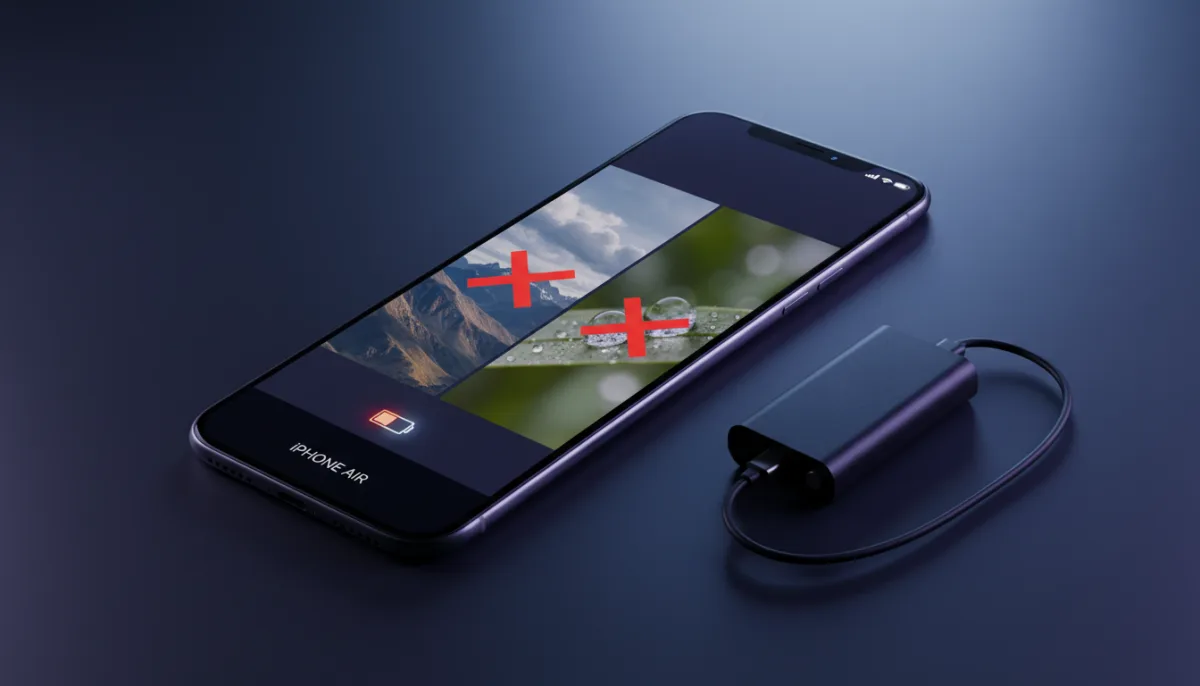
To achieve its record-breaking thinness, Apple was forced to equip the iPhone Air with a significantly smaller battery. While light users might stretch a single charge through an entire day, power users will almost certainly need to rely on an external battery pack - a reality Apple anticipated by building a dedicated battery accessory specifically for the device. This undercuts the phone's primary selling point; attaching a bulky battery pack instantly negates the ultra-thin design.
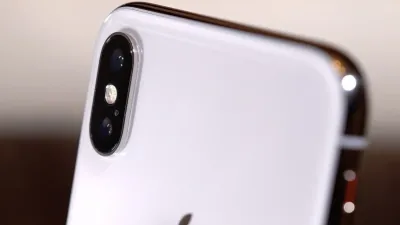
The camera system represents the second major sacrifice. Unlike the rest of the modern Apple lineup, the iPhone Air features only a single Wide lens. Users lose access to several standard photography tools:
- No Ultra Wide lens for expansive landscape shots.
- No Telephoto lens for optical zoom capabilities.
- A complete lack of macro photography support, which relies on the missing Ultra Wide sensor.
The Pricing Problem and Future Manufacturing
Price remains the most glaring issue for the iPhone Air. At $999, it sits in an awkward position within Apple's pricing tier. It is more expensive than the standard iPhone 17 - which offers two cameras and nearly identical processing power - and it is only $100 cheaper than the flagship iPhone 17 Pro, which boasts a superior three-camera system and significantly better battery life. Consequently, market rumors indicate that the iPhone Air has suffered from poor sales, as consumers struggle to justify paying a premium for fewer features.
Despite its difficult first year, the manufacturing breakthroughs achieved with the iPhone Air are already shaping Apple's future roadmap. According to a Weibo report from the leaker known as "Fixed Focus Digital," the specialized glass manufacturing process developed for the iPhone Air is being modified to produce more rounded glass components. This refined process will reportedly be used to create the curved glass design for next year's highly anticipated 20th-anniversary iPhone 20.
The $999 Design Experiment
The iPhone Air is a classic example of Apple prioritizing form over function to test the limits of its supply chain. By pricing it at $999, Apple effectively positioned the device as a luxury niche product rather than a mainstream upgrade. The fact that it costs more than the more capable standard iPhone 17 proves that buyers are paying a "thinness tax" rather than paying for actual utility or performance.
Looking at the broader strategy, the iPhone Air functions less as a standalone product and more as a publicly funded prototype. Apple absorbed the R&D costs of developing ultra-thin OLED panels and new glass manufacturing techniques, tested them on a small subset of early adopters, and is now scaling those exact technologies for the upcoming iPhone 20. For anyone currently in the market, the verdict is clear: unless you absolutely demand the lightest phone possible, spending an extra $100 for the iPhone 17 Pro is the only logical financial decision.
This article was written by AI from reporting by macrumors.com.