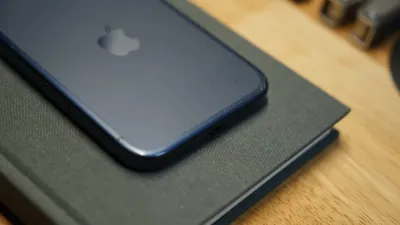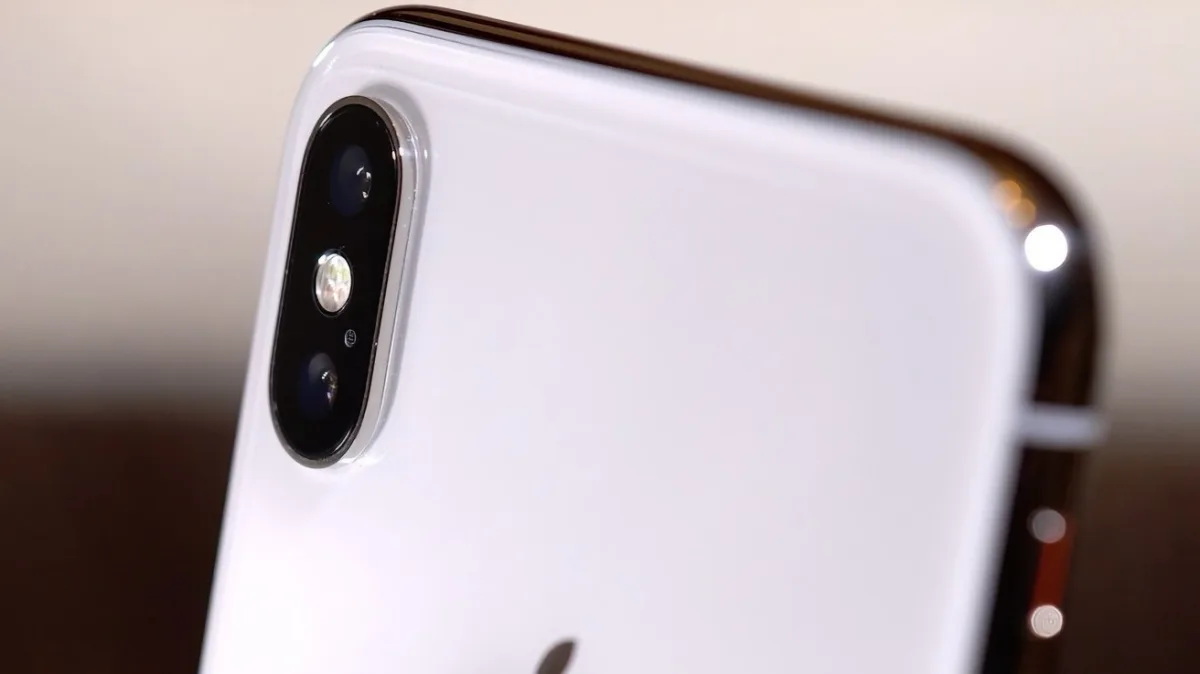
Apple has officially pulled the plug on hardware support for two of its most historically significant devices, classifying the iPhone X and the 2018 15-inch MacBook Pro as obsolete. For users still holding onto these aging machines, this designation means Apple and its authorized service providers will no longer offer repairs or replacement parts.
Apple classifies a device as "vintage" five years after it stops being sold, and upgrades that status to "obsolete" once the seven-year mark is crossed. The iPhone X, which launched in 2017, was a monumental shift for the company. It was the first iPhone to feature an OLED screen and introduced the world to Face ID, replacing the iconic Touch ID Home button with an all-screen design and a controversial top notch.
Despite its success, the iPhone X had its share of early teething problems. Some users reported green lines appearing on the edges of the display, while others faced hardware failures with the Face ID module. Apple handled these issues with in-store replacements rather than issuing a widespread recall. As of Thursday, the device has officially joined Apple's list of obsolete products.
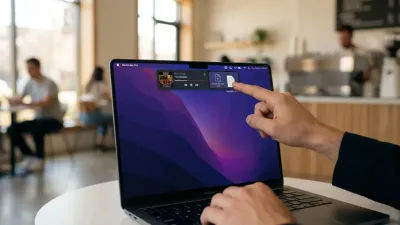
Joining the smartphone on the obsolete list is the 2018 15-inch MacBook Pro. This model was notable for being the first MacBook to include Apple's T2 security chip, which managed Touch ID data and secure boot processes. However, it is perhaps best remembered for featuring the highly criticized butterfly keyboard, a design flaw that forced Apple to run a free replacement program that only recently concluded in 2024.
What This Means for Current Owners
If you are still using either of these devices in 2026, your options for maintenance and security are now severely limited. Here is what you need to know:
- Software Limitations: The iPhone X is permanently capped at iOS 16 and will not receive newer features. Similarly, the 2018 15-inch MacBook Pro cannot be updated beyond macOS Sequoia, even if users attempt to bypass restrictions using enthusiast tools like the OpenCore Legacy Patcher.
- Repair Options: With official support terminated, any hardware failures - such as a degraded battery or a cracked screen - must be handled by third-party repair shops.
- Cost Efficiency: Given the age of the hardware, investing in third-party repairs may no longer be cost-effective compared to the current resale value of the devices.
The End of a Design Revolution
The obsolescence of the iPhone X marks the definitive end of a transitional era in smartphone history. When it debuted, the device set the template for the modern mobile experience, proving that consumers were ready to abandon physical home buttons in favor of gesture navigation and biometric facial recognition. Every flagship iPhone sold today still carries the foundational DNA introduced by the iPhone X.
Conversely, the 2018 MacBook Pro serves as a cautionary tale of form over function. The butterfly keyboard era remains one of Apple's most notable hardware missteps, prioritizing extreme thinness over typing reliability. With both devices now officially retired, Apple is closing the book on a period defined by aggressive, sometimes flawed, hardware experimentation. For anyone still using these machines, the message is clear: they are now pieces of tech history, and it is time to upgrade.
This article was written by AI from reporting by appleinsider.com.