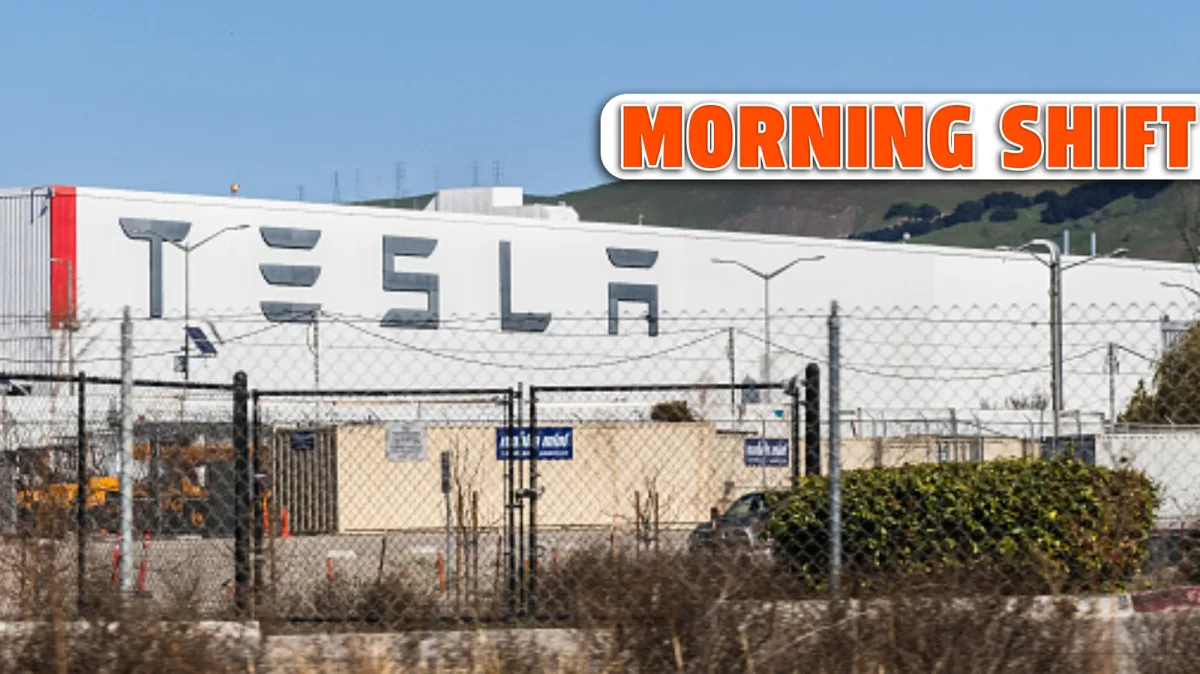
Tesla is officially heading to court over long-standing allegations of rampant racial discrimination at its flagship Fremont assembly plant. This legal battle unfolds as the broader automotive industry faces massive structural shifts, from Volkswagen accelerating painful job cuts to a coalition of U.S. automakers lobbying to block Chinese giant BYD from entering the domestic market.
The convergence of these events highlights a volatile period for global automakers. Companies are simultaneously grappling with internal labor disputes, shifting government regulations, and a rapidly changing electric vehicle landscape.
Tesla Faces Trial Over Fremont Factory Allegations
The California Civil Rights Department is moving forward with its 2022 lawsuit against Tesla, accusing the electric vehicle maker of allowing severe race discrimination at its Fremont, California facility. Lawyers for both sides will face off in Oakland before state Superior Court Judge Peter Borkon, with the trial scheduled to run until October 30.
According to the lawsuit, Black workers at the Fremont plant were subjected to pervasive harassment, including racial slurs and graffiti, which the company allegedly failed to stop. Furthermore, the agency accuses Tesla of paying Black employees less than their peers and actively depriving them of promotion opportunities.
Automakers Push Back Against BYD and Chinese EVs
As Tesla deals with domestic labor lawsuits, a broad coalition of U.S. automakers, suppliers, and dealers is urging President Donald Trump to keep Chinese vehicles out of the American market. The lobbying effort comes ahead of a planned summit with Chinese President Xi Jinping, where the potential entry of EV giant BYD is expected to be a major talking point.
Allowing them to open a domestic facility would provide a foothold in the U.S. market at the expense of manufacturers operating here. Localized Chinese production will not advance the administration's manufacturing jobs and national security agendas.
- U.S. Auto Industry Coalition Letter
The coalition argues that existing barriers are essential for maintaining fair competition, citing economic threats and security risks posed by subsidized Chinese connected vehicles. However, critics argue that blocking a company willing to pay U.S. wages in a U.S. factory merely shields domestic automakers from having to compete on price and quality.
Volkswagen Accelerates Restructuring Amid Protests
In Europe, Volkswagen is drastically speeding up its downsizing initiatives in response to high operational costs and fierce Asian competition. The decision has sparked nationwide protests across Germany, affecting Volkswagen, BMW, and parts supplier Bosch, as workers face painful job cuts and potential plant closures.
"I had hoped that the measures agreed in 2024 would already be sufficient," Volkswagen brand head Thomas Schaefer told staff at the company's Wolfsburg headquarters. "Unfortunately, that has not been the case." The company is shifting its focus from being the highest-volume automaker to prioritizing maximum profitability.
The Shifting Landscape of the U.S. EV Market
Meanwhile, the U.S. electric vehicle market is struggling to recover following the repeal of the federal EV tax credit. With the Trump administration relaxing fuel-economy standards and emissions rules, domestic automakers are pivoting back to internal combustion engines, including V-8s, and accelerating hybrid development.
"The death of the internal combustion engine has been greatly exaggerated," Karl Brauer, executive analyst at iSeeCars, explained. He noted that the most significant shift over the past year has been manufacturers adjusting to the reality of lower-than-expected market demand for pure EVs.
The Protectionist Trap
The simultaneous retreat from EV development by U.S. automakers and their aggressive lobbying to ban BYD reveals a dangerous long-term strategy. By relying on relaxed emissions standards to sell highly profitable V-8s today, domestic brands are artificially inflating their quarterly numbers while starving their future EV pipelines of crucial investment.
Shielding the U.S. market from Chinese competition might protect local manufacturers in the short term, but it creates an isolated bubble. While companies like Volkswagen and Ford cut costs and scale back EV ambitions, brands like BYD are aggressively driving down production costs and advancing battery technology globally. When these legacy automakers are eventually forced to compete on the international stage, they may find themselves entirely outpaced by the very rivals they lobbied to ignore.