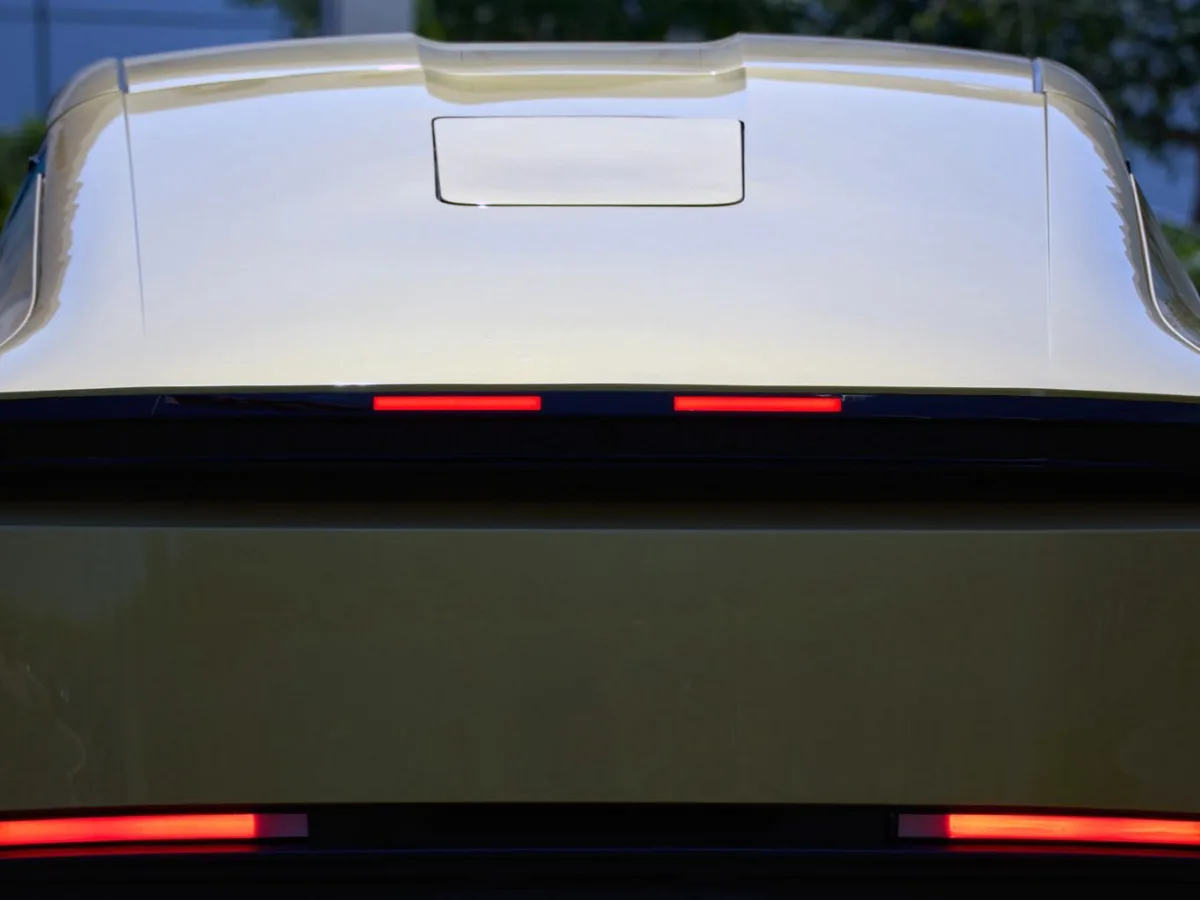
Tesla is preparing to unveil its highly anticipated Tesla Cybercab, a radical two-seater robotaxi completely devoid of a steering wheel and pedals. As the expected September launch event approaches, the company is using an unconventional lottery system to distribute invitations, driving up ridership numbers for its current autonomous fleet in the process.
Rather than issuing traditional press invites, Tesla is turning the event into a reward for its current users. Anyone who books a Robotaxi ride in Austin, Texas, through August 23 will automatically earn an entry into a drawing for a ticket. Winners are scheduled to be announced on August 25. With no cap on entries, the promotion is designed to boost immediate usage of the existing fleet while building hype for the next-generation vehicle.
Starlink Integration and Wireless Charging
The Cybercab represents a massive leap from current autonomous vehicles on public roads. Because it lacks physical controls for a human backup driver, it relies entirely on Tesla's Full Self-Driving (FSD) software. Recent teasers confirm the vehicle will feature an integrated Starlink dish, ensuring persistent, high-bandwidth connectivity for remote monitoring and safety fallback systems.
Furthermore, the Cybercab will utilize wireless charging technology, eliminating the need for a human to plug the vehicle in at the end of a shift. Tesla recently filed a patent for this inductive charging system, and demonstrations of how the fleet will autonomously recharge are expected to be a major focus of the upcoming presentation.
The Regulatory Reality Check
While hardware innovations like Starlink integration and wireless charging paint a picture of a truly autonomous, self-sustaining fleet, Tesla faces a steep uphill battle against established rivals. The current Tesla Robotaxi fleet has logged roughly 380,000 driverless miles. This is a mere fraction of the tens of millions of miles accumulated by competitors like Waymo.
Launching a vehicle with no steering wheel requires immense regulatory approval, and regulators rely heavily on proven, real-world mileage data to ensure public safety. The September event will likely be a spectacular showcase - potentially featuring Optimus robot cameos - but the initial rollout will almost certainly be restricted to a soft launch for Tesla employees. Until the company can exponentially scale its driverless testing data, the Cybercab will remain a brilliant prototype rather than a ubiquitous public service.