Mercedes EV sales in Q1 2026 surged by 11% globally, reaching 50,400 units, even as a brutal price war in China dragged the automaker's overall global volume down by 6%. For luxury car buyers and industry analysts, this quarter signals a critical turning point as Mercedes abandons its polarizing EQ design language in favor of traditional aesthetics with the new electric CLA and GLC models. The stark contrast in regional performance highlights the volatility of the current automotive market.
While the Chinese market saw a severe 27% drop amid fierce competition from local premium brands, Western markets provided a crucial safety net. European EV deliveries improved by 7%, and the United States experienced a massive 20% increase in electric vehicle sales, successfully rebounding from a steep 19% decline in the final quarter of 2025. Out of the total electric units moved, 44,300 were passenger cars, proving that demand exists when the product aligns with consumer expectations.
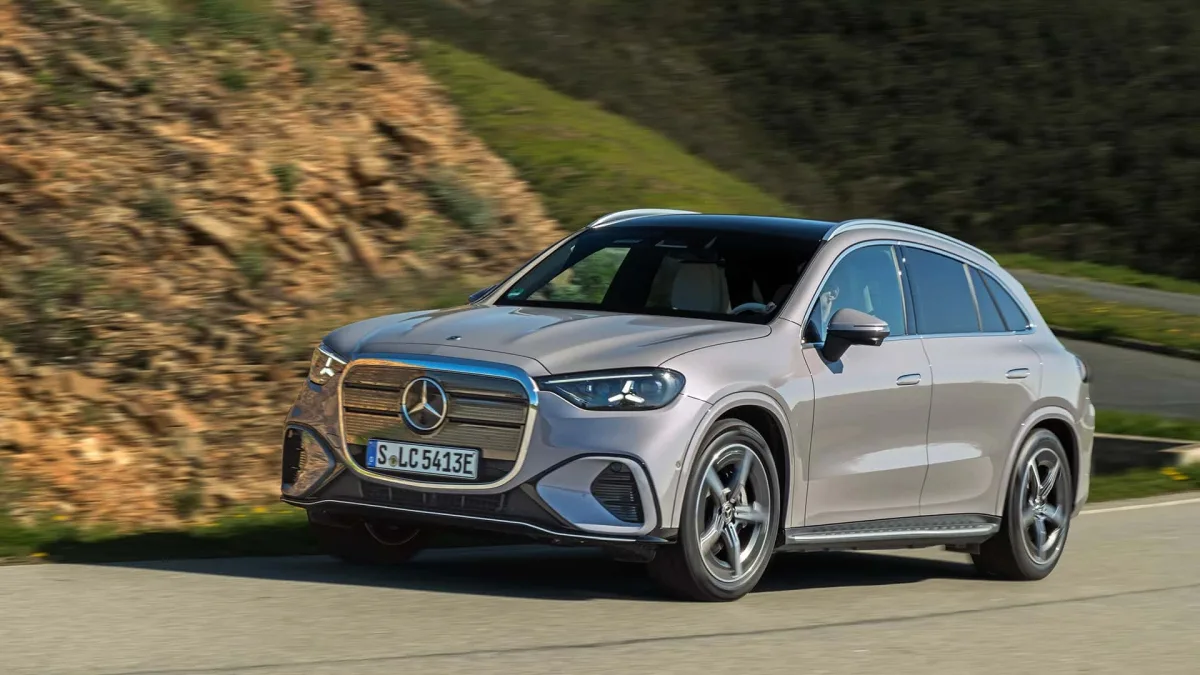
Mercedes executives have officially designated 2026 as a transitional year, primarily to phase out older models and introduce a completely revamped global lineup. The current EQ series, often criticized for its unconventional styling and early calibration issues like inconsistent brake pedal feel, is being replaced by vehicles that look and drive like traditional luxury cars. The newly introduced electric GLC and the upcoming CLA EV represent this conservative shift, designed specifically to appeal to longtime brand loyalists who want electric power without the sci-fi aesthetics.
The product offensive for the remainder of the year is aggressive and highly targeted. The electric C-Class is next in line, sharing its core underpinnings with the GLC EV while adopting a sleek sedan profile with fastback elements. Following closely will be the electric E-Class and S-Class, both utilizing the bespoke 800-volt MB.EA architecture that is entirely separate from the combustion engine platforms.
Additionally, the brand is expanding its utility and luxury transport segments with the GLB EV and the highly anticipated VLE, an ultra-luxurious grand limousine designed to replace the V-Class as the ultimate VIP shuttle. Finally, the performance division is expected to unveil the production version of the AMG GT XX Concept before the end of the year.
The Road Ahead: Why the Conservative Pivot Will Pay Off
The decision to normalize the design of Mercedes EVs is arguably the smartest strategic move the company has made in the electric era. By ensuring the electric GLC and upcoming C-Class feel identical to their combustion counterparts, Mercedes is removing the psychological barrier that kept traditional luxury buyers away from the EQ lineup. The 20% sales spike in the U.S. market proves that consumers are willing to adopt electric powertrains when they are wrapped in a familiar, prestigious package.
However, the 27% drop in China remains a glaring vulnerability that new designs alone may not fix. Local Chinese automakers are currently dominating the premium EV space through aggressive pricing and hyper-localized software features. While the bespoke 800-volt MB.EA architecture will keep Mercedes competitive on charging speeds and range, the company must aggressively adapt its digital ecosystem if it hopes to reclaim its market share in the world's largest auto market.
This article was written by AI from reporting by insideevs.com.