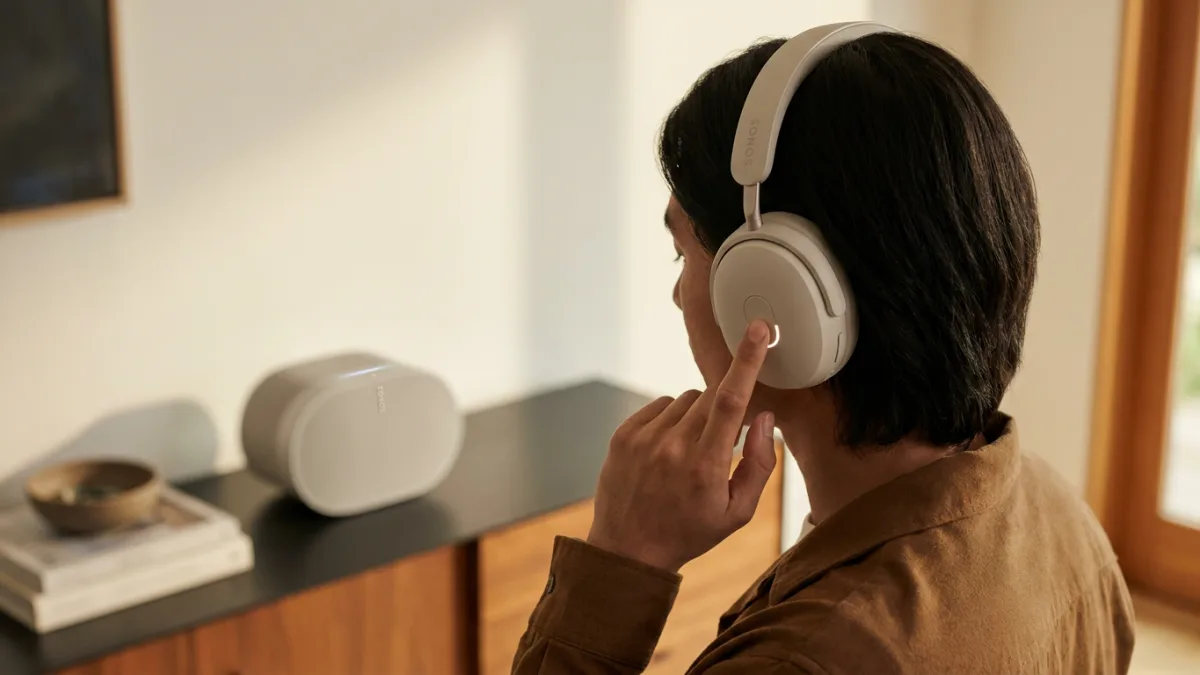
Frequent travelers and audiophiles seeking seamless multi-room audio finally have a compelling reason to upgrade their daily driver. The new Sonos Ace Ultra headphones arrive at $449, aiming to fix the ecosystem limitations of their predecessor while delivering top-tier active noise cancellation (ANC). With the original model dropping to $349, this premium tier introduces hardware and software overhauls designed to compete directly with industry heavyweights.
Design and Comfort Upgrades
While the overall aesthetic remains familiar, the Sonos Ace Ultra introduces deeper ear cups to accommodate a wider range of users comfortably. The headphones weigh in at 322 grams, making them about 64 grams lighter than the AirPods Max 2, though still substantial in the hand. Despite the weight, the physical distribution ensures they remain comfortable during long-haul flights.
Sonos has also expanded its color palette beyond the standard Black and White options. The new Agave and Sand finishes offer a sophisticated, elegant look that stands out in a crowded market. Physical controls remain delightfully simple, featuring a power button on the left and an enlarged Content Key alongside an ANC button on the right.
ANC Performance and Battery Life
The quieting power of the Sonos Ace Ultra is tremendous, effectively doubling the ANC performance of the standard model. This leap is driven by an upgraded array of 10 microphones, up from eight, which adapt to different environmental disruptions on the fly. In real-world testing across multiple flights, they successfully muted cabin noise better than competitors in the $350 to $450 range.
Battery life sees a welcome boost, offering 35 hours of playback with ANC enabled - a five-hour increase over the standard model. Notably, the battery is now replaceable, adding a layer of longevity to the premium investment. The companion app also provides precise listening time estimates based on your current usage percentage.
Sound Quality and Ecosystem Integration
Audio delivery is robust and dynamic, featuring a blended, direct sound profile with capable low bass that feels gentler than the original model's harsher default tuning. While they may lack the ultra-wide separation of the Sony WH-1000XM6, the adaptive EQ ensures a rich experience for both music and cinematic content. Users can further refine their experience using the 10-band EQ within the newly overhauled Sonos 27 operating system.
The standout software feature is Headphone Linking, currently in early access, which transforms how the headphones interact with the broader ecosystem. Users can now instantly pull audio from a wide range of speakers, such as the Era 100 SL or Beam Ultra, simply by pressing and holding the Content Key. This seamless swapping makes the headphones feel like a true extension of a multi-room setup.
The Ecosystem Tax Is Finally Paying Off
For years, buying into a specific audio brand meant accepting walled gardens with limited cross-device functionality. The Sonos Ace Ultra changes that narrative by making the ecosystem a tangible benefit rather than a restriction. The ability to physically walk through a house and pull audio from a nearby Era 100 SL directly to your ears is a feature competitors simply cannot match right now.
However, this deep integration is a double-edged sword for buyers who do not already own other Sonos products. If you are just looking for standalone ANC headphones, the $449 price tag carries a premium for ecosystem features you might never use. But for existing users, this release bridges the final gap between private listening and whole-home audio.