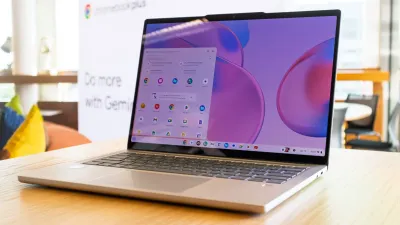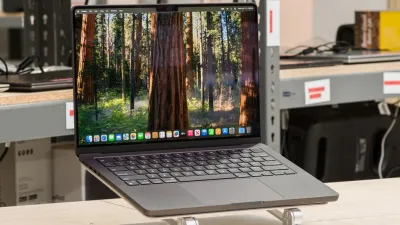
The new Apple $599 Mac A18 Pro configuration is sparking a fascinating debate about the true limits of entry-level computing and user behavior. Positioned by many reviewers as a simple "Chromebook killer" with 8GB of RAM and stripped-down I/O, the device is widely considered a sensible machine for basic tasks. However, a recent essay by tech commentator Sam Henri Gold challenges the prevailing narrative that this hardware is strictly limited to lightweight use.
The general consensus among critics is that if a user is thinking about running demanding applications like Xcode or Final Cut, this specific computer is not for them. Gold argues that while this assessment is technically accurate, it completely misses the point of how users actually interact with their first computers. According to his essay, nobody starts their computing journey with the perfect, high-end tool.
Instead, Gold notes that technological obsession begins by taking whatever hardware is available and pushing it until it either breaks or reveals something new. Users do not organically graduate to more capable machines by staying safely within recommended constraints. The limits of the $599 machine effectively become a map of the territory, teaching users the true cost of computing by forcing them to maximize hardware that can barely handle the load.
This philosophical take highlights a broader truth about modern Apple silicon. While critics may dismiss the A18 Pro as merely a "phone chip" placed inside a laptop chassis, the raw performance of modern mobile processors is staggering. Technology has far outpaced typical consumer use cases, meaning even an entry-level device possesses immense computational power.
To illustrate this leap in performance, the editorial compares the pixel density of modern displays driven by these mobile chips to historical high-end setups. In the past, driving a massive screen like the 30-inch Cinema Display required Apple's most expensive Mac and a specific graphics card, specifically the NVIDIA GeForce 6800 Ultra DDL. Today, a $599 machine handles comparable or greater graphical loads without breaking a sweat, proving that people are inevitably going to use this entry-level Mac like a full-fledged Mac.
My Take
The release of a $599 Mac with an A18 Pro chip is a brilliant strategic maneuver by Apple to capture the education and entry-level markets currently dominated by ChromeOS. However, the true value of this machine lies in its inevitable misuse. By offering 8GB of RAM and a flagship-tier mobile processor at a budget price, Apple is inadvertently creating the ultimate sandbox for a new generation of developers and creators.
History shows that constraints breed creativity. Just as early developers squeezed impossible performance out of limited hardware, today's users will absolutely attempt to run Xcode, render 4K video in Final Cut, and push the stripped-down I/O to its absolute breaking point. This device may be marketed as a Chromebook killer, but its legacy will be defined by the power users who refuse to accept its intended limitations.
Frequently Asked Questions
What are the core specifications of the new entry-level Mac?
The new budget-friendly Mac features an A18 Pro processor, 8GB of RAM, and a stripped-down I/O selection, launching at a price point of $599.
Is the $599 Mac capable of running professional software like Final Cut?
While reviewers caution that it is not the ideal machine for heavy applications like Xcode or Final Cut, the A18 Pro chip possesses significant raw power, and users will inevitably push the hardware to run these demanding tasks.