Millions of Samsung Galaxy users are about to experience a massive shift in how their devices operate as the Samsung One UI 9 update rapidly expands its testing phase. Following the recent One UI 8.5 rollout and a critical June security patch, Samsung is aggressively pushing its Android 17 beta to four generations of flagship phones simultaneously, preparing for a major artificial intelligence overhaul.
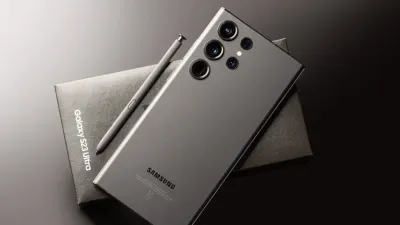
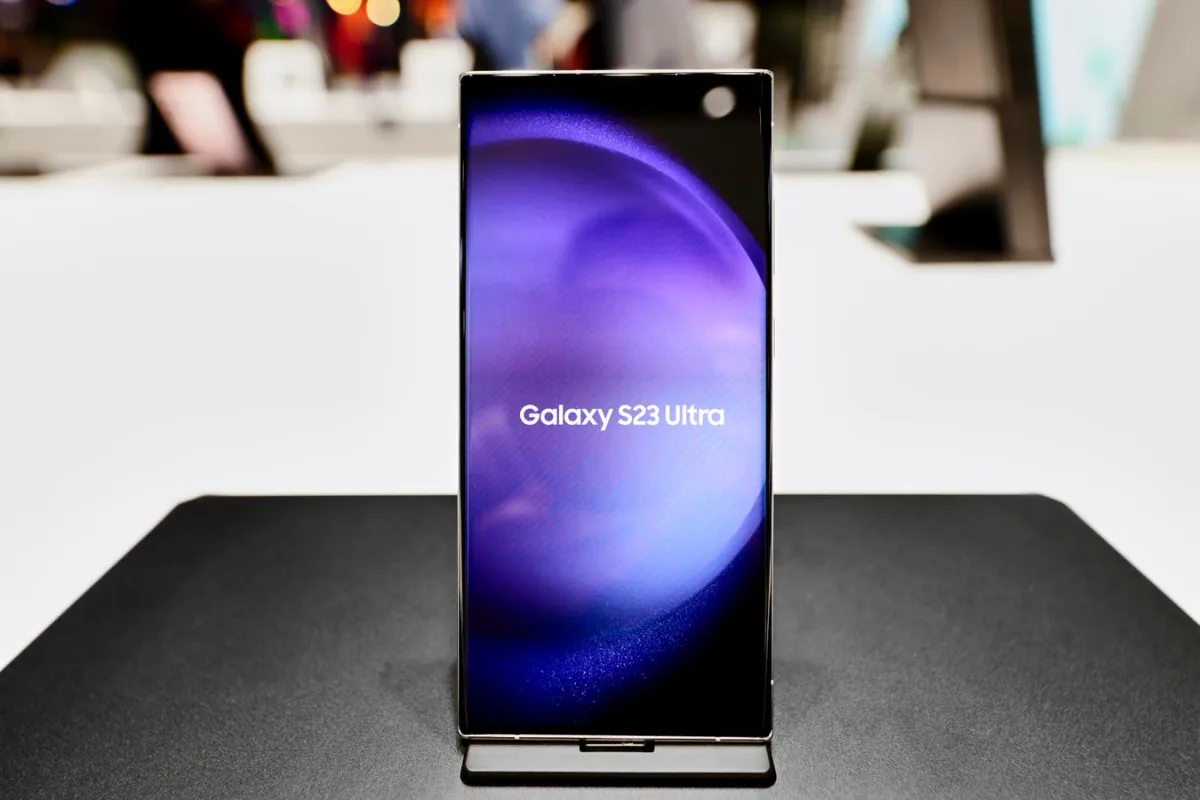
In the last 48 hours, firmware trackers have confirmed that internal testing has officially started for the Galaxy S23 series, the Galaxy S24 series, and the Galaxy S24 FE. A first internal build for the mid-range Galaxy A56 has also been spotted. Meanwhile, the flagship Galaxy S26 is already running Beta 3, with the Galaxy S25 next in line for the public beta program.
What is New in the Samsung One UI 9 Update Beta?
While the full feature set will be unveiled at the Unpacked event in London next month, the current beta builds are heavily focused on system stability and refining the user experience. Beta 3, released this week for the Galaxy S26, addressed several frustrating bugs, including camera preview cropping, lock screen widget errors, and S Pen home screen swipe issues.
The patch also resolved a critical bug that caused random device reboots during video streaming. On the feature side, Samsung has introduced smoother system animations and added a new Quick Panel icon for Summarise Notifications. The company explicitly notes that these summaries are AI-generated, giving users a quick digest of their alerts.
However, the true headline feature of Android 17 is Gemini Intelligence, which is currently absent from the beta builds. Arriving with the Galaxy Z Fold 8 on July 22, this system introduces "agentic AI" to the Galaxy ecosystem. Unlike passive AI that simply answers questions, agentic AI can handle multi-step tasks autonomously - such as booking concert tickets, pulling items from your Notes app to add to an Amazon cart, or checking emails to draft contextual responses.
How to Check for the Update and Eligible Devices
Samsung is moving significantly faster with this rollout than in previous years, racing to finalize a stable build ahead of the July 22 Unpacked event. If you want to check if the beta or stable release is available for your specific model, navigate to Settings, tap on Software Update, and select Download and Install.
Here is the complete list of Samsung devices currently eligible for the One UI 9 testing phase and upcoming stable launch:
- Beta currently live: Galaxy S26, Galaxy S26+, Galaxy S26 Ultra
- Internal testing: Galaxy S25, Galaxy S25+, Galaxy S25 Ultra, Galaxy S25 Edge, Galaxy S24, Galaxy S24+, Galaxy S24 Ultra, Galaxy S24 FE, Galaxy S23, Galaxy S23+, Galaxy S23 Ultra, Galaxy A56
- Launching with stable One UI 9 (July 22): Galaxy Z Fold 8 Ultra, Galaxy Z Fold 8, Galaxy Z Flip 8
The Shift from Passive to Agentic AI
Samsung’s accelerated timeline for the One UI 9 rollout is not just about fixing bugs; it is a strategic sprint to establish dominance in the next phase of mobile computing. By testing Android 17 across four distinct generations of hardware simultaneously, Samsung is ensuring that its massive existing user base will not be left behind when the true AI features drop.
The introduction of Gemini Intelligence marks a fundamental pivot for the smartphone industry. We are moving away from "assistants" that require constant prompting toward "agents" that execute complex, multi-step workflows autonomously. If a Galaxy phone can reliably navigate an app to book tickets or manage an Amazon cart without user intervention, it fundamentally changes how we interact with mobile interfaces, potentially bypassing traditional app navigation entirely.
This aggressive push puts immense pressure on competitors. With the Galaxy Z Fold 8 and Z Flip 8 launching with these capabilities out of the box on July 22, Samsung is setting a new baseline for what a premium smartphone must do. The success of this update will hinge entirely on how securely and accurately Gemini Intelligence handles sensitive personal data while executing these autonomous tasks.