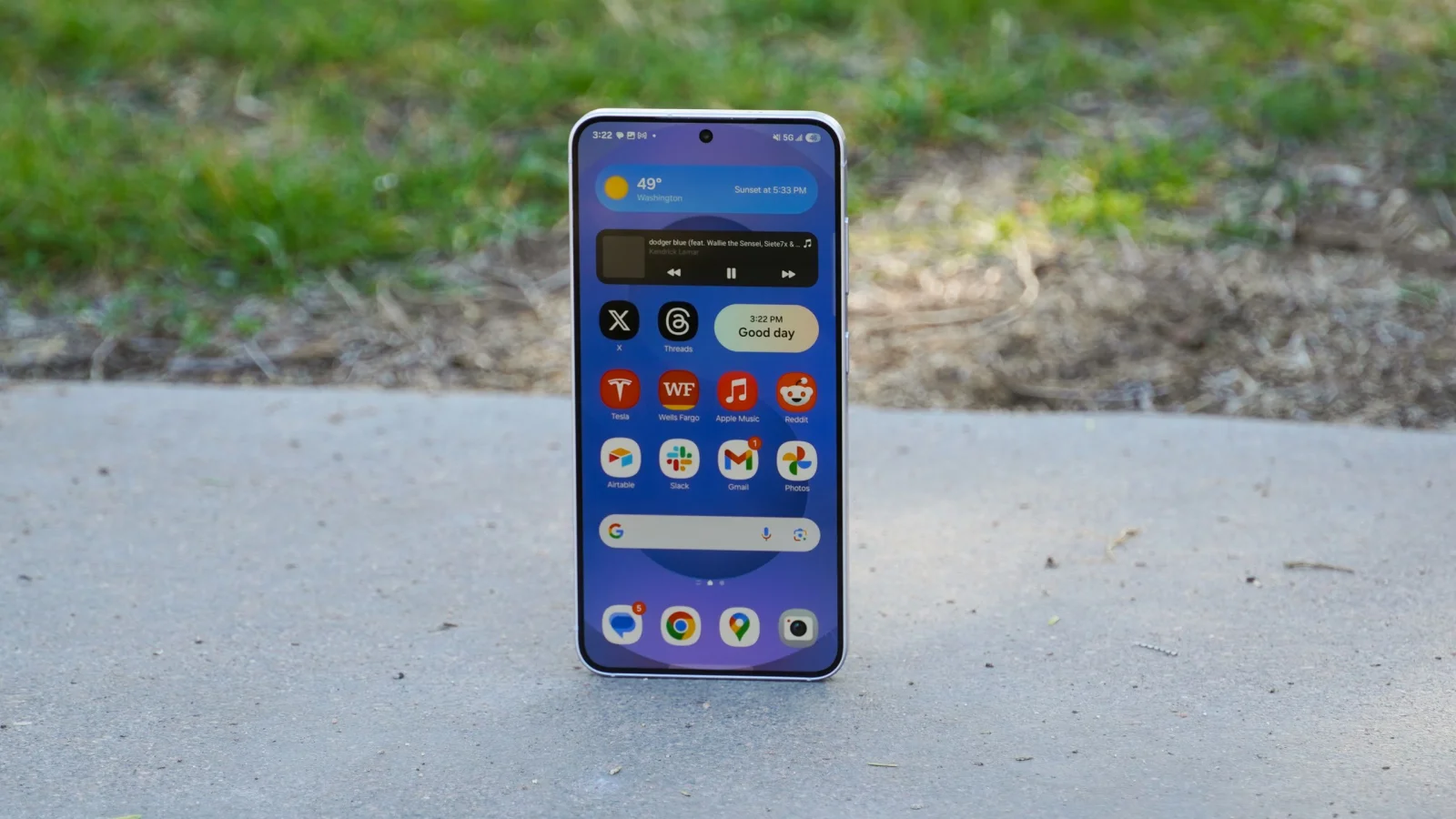
Samsung is transforming its latest Exynos-powered smartphones into pocket-sized Linux machines with the rollout of One UI 8.5. For power users wielding the Galaxy S26 and Galaxy S26 Plus, the built-in Linux Terminal is receiving massive upgrades that bridge the gap between mobile and desktop computing. These enhancements finally allow users to break free from basic command-line restrictions and utilize their smartphones for serious development and productivity tasks.
Google initially introduced Linux Terminal support in Android 16, allowing a full Linux distribution to run natively on select hardware. Now, Samsung is integrating the advanced capabilities of Android 16 QPR2 directly into One UI 8.5. However, there is a strict hardware limitation: this feature is exclusively available on devices powered by Exynos, MediaTek, or Google Tensor chips. Users with Snapdragon-equipped Galaxy phones are entirely locked out of the Linux Terminal experience.
Key Upgrades in One UI 8.5 Terminal
According to information shared with Android Authority by tipster Dylan H, testing on an Exynos-powered Galaxy S26 Plus reveals several major functional leaps over the previous One UI 8 implementation. These changes fundamentally alter how the terminal interacts with the phone's hardware and software ecosystem.
- Graphical App Support: Users are no longer restricted to text-based command-line programs. By tapping a new display icon in the top-right corner of the window, the terminal can now run full graphical applications like GIMP, the Chromium browser, and even classic games like Doom.
- Storage Ballooning: One UI 8.5 abandons the clunky disk resize slider found in older versions. The Linux Terminal now dynamically utilizes all available device storage from the get-go, seamlessly accessing massive pools of space (such as 198GB of free storage) without manual partitioning.
- Expanded Directory Access: Previously, the terminal was sandboxed to only access the Downloads folder. The updated app can now read and write to all shared storage directories across the device, including the DCIM, Movies, Music, and Android folders.
The ADB Catch and Future Updates
Despite the powerful new features, early adopters face a frustrating setup hurdle. The tipster noted that One UI 8.5 currently removes the ability to search for the terminal feature within the developer options menu. It remains unclear if this is a temporary bug or an intentional UI change. Consequently, users must currently enable Terminal access manually via ADB commands, a tedious workaround that Samsung will hopefully address in future patches.
More improvements are already on the horizon. Recent discoveries in the Android Canary (build 2603) reveal pending upgrades that will likely trickle down to future One UI updates. These upcoming features include a modernized user interface, a dedicated slider to limit memory usage, and a highly requested toggle to keep the screen awake for a specified duration during long compiling sessions.
My Take
The evolution of the Linux Terminal in One UI 8.5 is a massive win for developers and power users, effectively reviving the spirit of Samsung's abandoned "Linux on DeX" project. By enabling full graphical apps like GIMP and Chromium natively on the Galaxy S26, Samsung is pushing the boundaries of what a smartphone can do without requiring an external monitor or cloud computing subscription. The dynamic storage ballooning is particularly crucial, as it removes the friction of manual partition management that plagued earlier iterations.
However, the chipset exclusivity is the real story here. By locking Snapdragon devices out of this feature and reserving it for Exynos, MediaTek, and Google Tensor chips, the narrative around smartphone processors is shifting. Historically, Snapdragon variants of Galaxy phones were universally preferred by power users for their thermal efficiency and gaming performance. Now, Exynos-powered Galaxy S26 models hold a distinct, tangible advantage for developers and Linux enthusiasts, potentially changing purchasing decisions in regions where both chipsets are available.