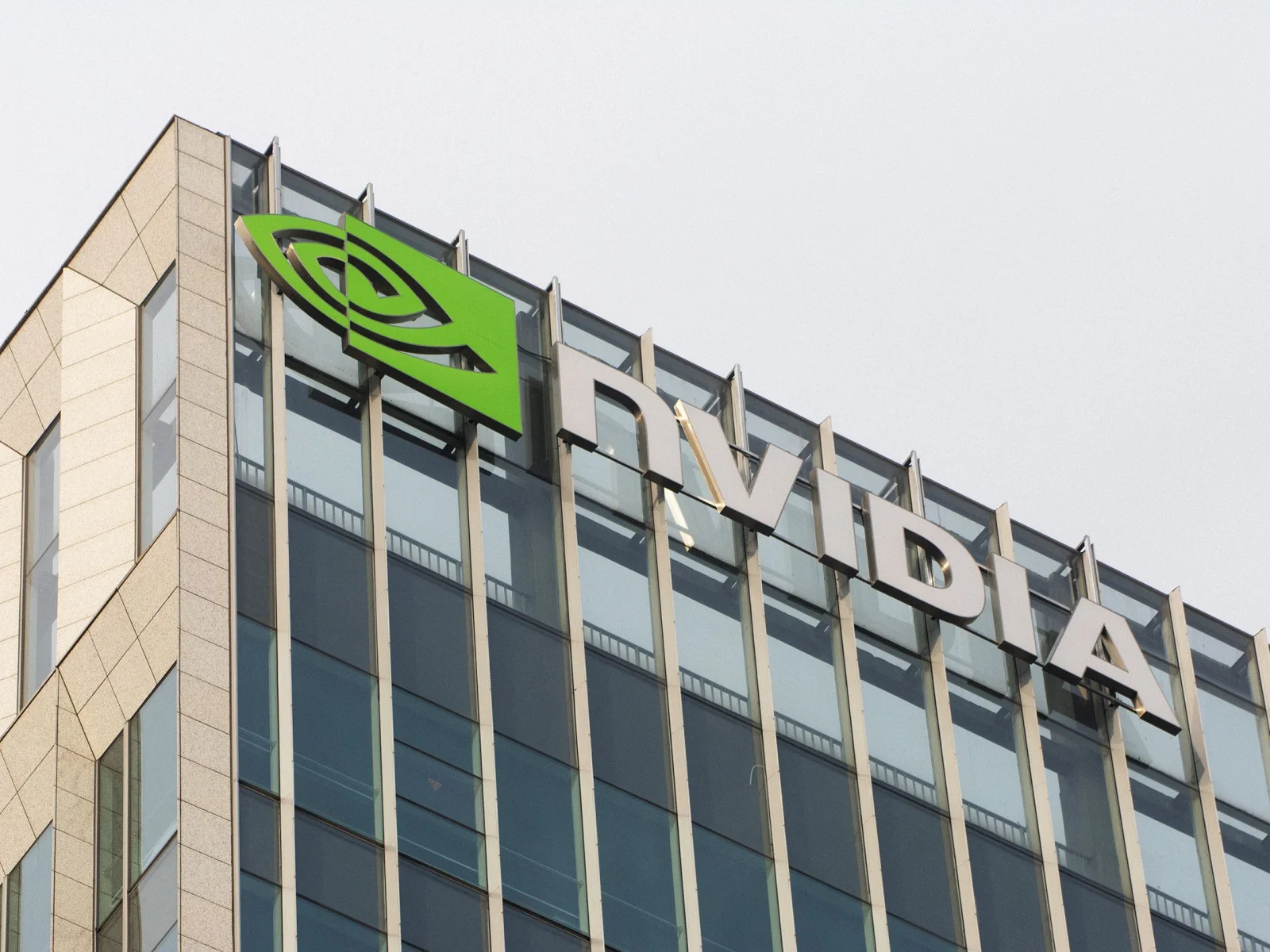
Nvidia is reportedly preparing to launch its own AI agent platform, entering the rapidly expanding market of dedicated "Claw" systems. According to a recent report from Wired, the tech giant's entry could establish new industry standards for these hardware and software wrappers, which are powered by large language models (LLMs). This development is critical for developers, AI researchers, and enterprise IT teams experimenting with autonomous coding assistants. By standardizing the underlying architecture, Nvidia could transform these highly experimental - and often insecure - setups into mainstream, enterprise-ready tools.
The "Claw" trend represents a fast-moving shift in how users interact with generative AI. Functioning as advanced personal assistants, these systems are essentially wrappers for powerful LLMs like Claude Code and OpenAI's Codex. They are designed to autonomously write code, execute tasks, and browse the internet on behalf of the user. However, deploying a Claw requires a highly specific and resource-intensive setup. Users typically must dedicate a standalone computer entirely to running the Claw software, integrate an expensive premium LLM subscription, and grant the system deep access to their personal data and online accounts. Once configured, users communicate with their AI agent remotely via messaging applications such as WhatsApp.
The Expanding Claw Ecosystem
Since the trend began last year, the ecosystem has fragmented into several distinct variants tailored to different user needs. The original platform, OpenClaw (formerly known as Clawdbot and Moltbot), established the foundational architecture for these agents. As the community grew, developers introduced specialized forks.
- Nanoclaw: A lightweight alternative designed for environments with constrained compute resources, available via GitHub.
- IronClaw: A security-focused iteration aimed at mitigating the inherent risks of granting an AI agent broad system access.
Despite these community-driven innovations, current Claw setups are widely recognized as a "security nightmare" due to the extensive permissions they require to function effectively. This is where Nvidia's market position becomes pivotal. As the dominant developer of AI chips, underlying architectures, and proprietary software platforms, Nvidia possesses the infrastructure required to secure and standardize this emerging tech category.
My Take
Nvidia's rumored entry into the Claw ecosystem is a strategic masterstroke that signals a shift from purely supplying compute power to owning the agentic software layer. The current open-source Claw landscape is highly fragmented and plagued by severe security vulnerabilities. By introducing a proprietary, optimized platform, Nvidia can leverage its hardware dominance to create a secure, standardized environment for AI agents. If Nvidia successfully integrates its Claw platform with its existing CUDA ecosystem, it will lock developers even deeper into its proprietary stack, ensuring that the next generation of autonomous AI assistants runs exclusively - and most efficiently - on Nvidia silicon.
Frequently Asked Questions
What exactly is an AI Claw?
A Claw is a hardware and software wrapper for Large Language Models (LLMs) like Claude Code or OpenAI Codex. It functions as an autonomous personal assistant capable of writing code and browsing the web.
How do users interact with a Claw system?
After setting up the Claw on a dedicated computer and granting it access to personal data, users typically issue commands and receive responses through standard messaging apps like WhatsApp.
Why are current Claw setups considered a security risk?
Because these AI agents require deep, unrestricted access to a user's personal data, local files, and online accounts to function autonomously, they present a massive attack surface if compromised.
This article was written by AI from reporting by gizmodo.com.