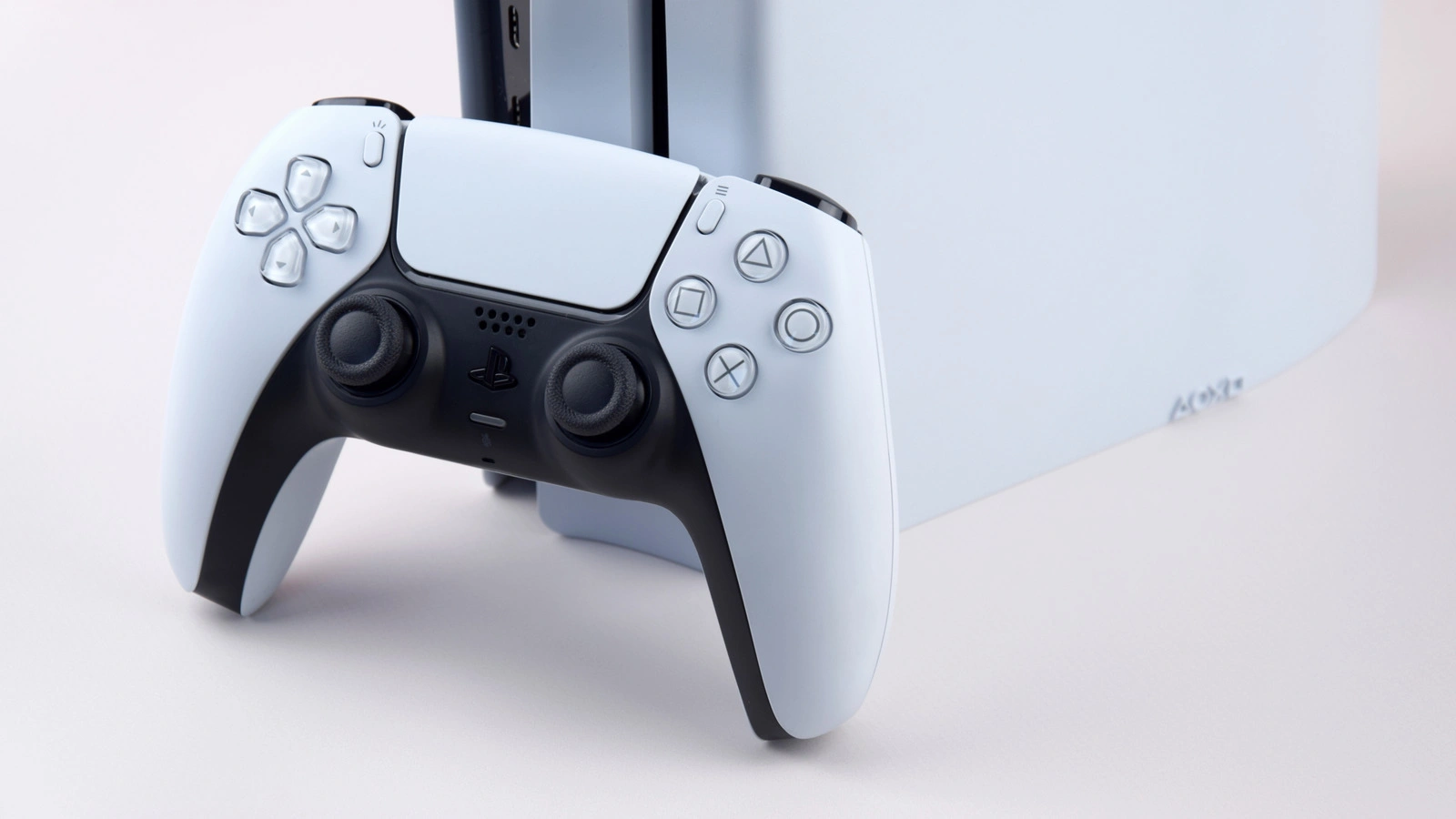
The ongoing debate of wired vs wireless controllers remains a critical decision point for gamers, balancing the raw technical superiority of a direct connection against the evolving convenience of modern wireless protocols. While casual players often prioritize the freedom of a cable-free living room setup, competitive enthusiasts and esports professionals continue to scrutinize every millisecond of latency. Understanding the technical trade-offs between these two connection types is essential for optimizing your gaming setup in 2026, where the gap has narrowed but distinct advantages still remain for specific use cases.
The Latency Factor: Milliseconds Matter
Input lag is the primary metric driving the preference for wired peripherals in the competitive scene. When you press a button on a wired controller, the signal travels directly through the copper cabletypically via a USB-C connectionto the console or PC with negligible delay. This direct line eliminates the processing overhead required to encode and broadcast a wireless signal, ensuring that your reaction times are translated into in-game actions as instantaneously as the hardware allows. For fighting games and first-person shooters, this consistency is non-negotiable.
Conversely, wireless controllers rely on Bluetooth or proprietary 2.4GHz dongles to transmit data. While modern protocols from companies like Sony and Microsoft have reduced wireless latency to imperceptible levels for the average user, they introduce a variable known as 'polling rate stability.' Wireless signals can occasionally suffer from micro-stutters or packet loss, especially in environments saturated with other signals. Although the difference might be only 5 to 10 milliseconds, that fraction of a second can determine the outcome of a high-stakes match.
Power Dynamics: Battery Anxiety vs. Tethered Reliability
Power management represents the most tangible difference in daily usability. Wireless controllers offer the luxury of untethered movement but introduce the perpetual management of battery life. Whether relying on internal rechargeable lithium-ion cells or disposable AA batteries, the risk of a controller dying mid-game is a genuine concern. This 'battery anxiety' forces players to manage charging docks or keep spare cables nearby, adding a layer of maintenance to the gaming experience.
Wired controllers completely circumvent this issue by drawing power directly from the host device. This passive power draw means the controller is always ready to perform, never degrades in battery capacity over time, and is generally lighter due to the absence of a heavy battery pack. For marathon gaming sessions where interruptions are unacceptable, the wired approach offers absolute peace of mind and consistent performance without the need for charging breaks.
Signal Stability and Interference
A often-overlooked advantage of wired connections is immunity to interference. In a modern home filled with Wi-Fi routers, smart home devices, and dozens of smartphones, the 2.4GHz frequency band is incredibly congested. Wireless controllers must fight through this invisible noise, which can occasionally lead to desynchronization or 'ghost inputs.' A physical cable acts as a shielded conduit, protecting the data stream from external radio frequency interference (RFI) and ensuring that every button press is registered exactly as intended, regardless of how many wireless devices are active nearby.
| Feature | Wired Controllers | Wireless Controllers |
|---|---|---|
| Input Latency | Lowest possible (Near zero) | Low to Moderate (Depends on protocol) |
| Power Source | Device-powered (No battery) | Battery (Rechargeable or AA) |
| Signal Stability | 100% Stable (No interference) | Susceptible to RF interference |
| Range of Motion | Limited by cable length (approx. 3m) | High freedom (approx. 10m range) |
| Best For | Esports, PC Desks, Competitive FPS | Couch Gaming, RPGs, Casual Play |
Frequently Asked Questions
Do wired controllers actually reduce lag in 2026?
Yes, wired controllers still offer the lowest theoretical latency and highest consistency, although high-end wireless tech has made the difference negligible for non-professional players.
Can I use a wireless controller in wired mode?
Most modern controllers, such as the DualSense and Xbox Wireless Controller, support data-over-USB, effectively turning them into wired controllers when plugged in to reduce latency.
Why do pro gamers prefer wired controllers?
Pros prioritize consistency and reliability above all else. Wired connections eliminate the risks of wireless interference, battery failure, and variable input lag during tournament play.
My Take
While the convenience of wireless technology is undeniable for a relaxed session on the couch, the physics of a wired connection still reign supreme for performance. If you play competitive shooters or fighting games at a desk, a high-quality wired controller is the superior choice to eliminate variables. However, for 90% of gamers enjoying single-player adventures, the freedom of wireless is worth the marginal latency trade-off.
This article was written by AI from reporting by slashgear.com.