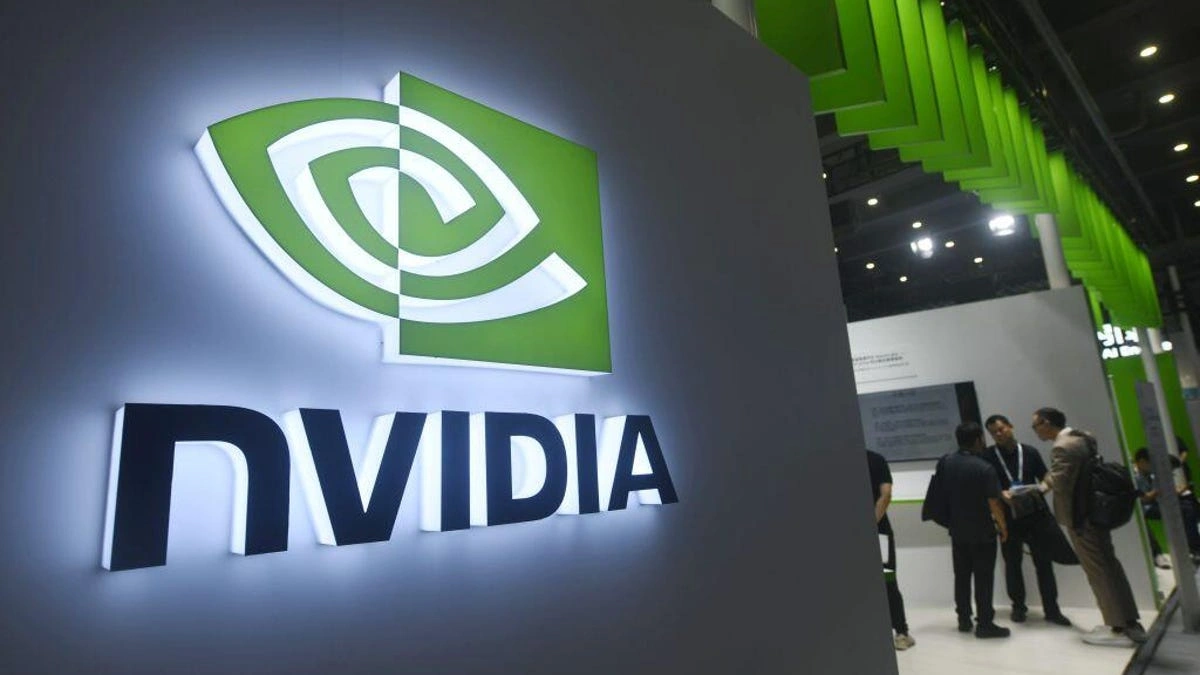
Nvidia CEO Jensen Huang has officially declared that Agentic AI has reached a critical "inflection point," marking a definitive shift where software is no longer just generating text but actively solving real-world problems. This visionary statement accompanied the release of Nvidia's staggering financial results for fiscal 2026, where the company reported annual revenue of $216 billiona massive 65% increase from the previous year driven by the demand for powerful chips in data centers.
Huang emphasized that the world has "awakened to the agentic inflection" within just the last two or three months. This transition positions Nvidia not merely as a graphics card manufacturer, but as a foundational AI infrastructure company powering the next generation of autonomous software.
From Chatbots to Autonomous Agents
The distinction between current generative AI and the emerging Agentic AI is capability and autonomy. While traditional chatbots operate within strict boundaries to produce text, images, or code based on prompts, AI agents are designed to take specific, independent actions. Huang cited examples such as an agent planning and booking an entire vacation without requiring a human to constantly issue individual commands.
This technology is already moving from concept to consumer reality. Just hours before Nvidia's earnings call, Samsung unveiled its new Galaxy S26 lineup of phones. The launch event devoted significant time to the "agentic AI experience" these devices will deliver, confirming that major hardware manufacturers are rapidly integrating these autonomous capabilities into consumer devices.
The Next Frontier: Physical AI
Looking beyond software, Huang identified "Physical AI" as the next major inflection point. This term describes the embedding of artificial intelligence directly into machinery, including self-driving cars and robots. This trend was already visible at CES earlier this year, where companies demonstrated robots capable of folding clothes, serving as companions, and handling complex assembly line work.
According to Huang, Agentic AI is essentially a prelude to this physical manifestation, where software intelligence finds a home in hardware to interact with the physical world.
What to Expect at GTC
The industry is now looking toward Nvidia's GTC conference in March for further announcements. Analysts expect the company to reveal more details about its AI-focused Rubin chip. Additionally, there is speculation that Nvidia may be ready to enter the laptop chip market, further expanding its influence beyond data centers and into personal computing hardware.
My Take
Jensen Huang's comments confirm that 2026 is the year AI transitions from "creative assistant" to "executive worker." The revenue jump to $216 billion proves that the infrastructure build-out is far from over, but the focus is shifting. The mention of the Samsung Galaxy S26's agentic capabilities suggests that on-device AI agents will soon become the primary way we interact with smartphones, replacing static app grids with intent-based interfaces. If Nvidia successfully bridges the gap to Physical AI with the Rubin chip, we are looking at a future where the digital brain finally gets a physical body.
This article was written by AI from reporting by cnet.com.