The new Microsoft Surface Pro Snapdragon X2 lineup is officially here, promising massive leaps in graphics performance and battery life for power users who demand portability. However, upgrading to Microsoft's latest premium hardware will cost significantly more, forcing buyers to weigh the benefits of next-generation processing against a steep price hike.
Microsoft has split its Surface family, reserving the new Qualcomm Snapdragon X2 processors for its premium 13-inch Surface Pro and larger Surface Laptop models. The entry-level 12-inch Pro and 13-inch Laptop remain on the older 8-core Snapdragon X Plus architecture. For those willing to pay the premium, the X2 generation brings up to 58 percent faster graphics, sharper displays, and extended battery life tailored for heavy browser sessions, creative workflows, and local AI tasks.
Complete Surface Pro and Surface Laptop Specifications
Surface Pro 12-inch
- Processor: 8-core Snapdragon X Plus
- Display: 12-inch PixelSense LCD, 2880 x 1920, 90Hz
- Battery life: Up to 16 hours video playback
- Colours: Platinum, Violet, and Ocean
- Australian pricing: From AU$1,799
Surface Pro 13-inch
- Processor: Snapdragon X2 Plus or Snapdragon X2 Elite
- Display: 13-inch PixelSense OLED or LCD, 2880 x 1920, 120Hz HDR
- Battery life: Up to 15.5 hours video playback
- Graphics: Up to 53 percent faster graphics performance than the previous generation
- Colours: Platinum, Black, Dune
- Australian pricing: From AU$2,699
Surface Laptop 13-inch
- Processor: 8-core Snapdragon X Plus
- Display: 13-inch PixelSense LCD touchscreen, 1920 x 1280, 60Hz
- Battery life: Up to 23 hours video playback
- Colours: Platinum, Violet, and Ocean
- Australian pricing: From AU$1,999
Surface Laptop 13.8-inch
- Processor: Snapdragon X2 Plus or Snapdragon X2 Elite
- Display: 13.8-inch PixelSense HDR LCD touchscreen, 2304 x 1536, 120Hz
- Battery life: Up to 20 hours video playback
- Graphics: Up to 58 percent faster graphics performance than the previous generation
- Colours: Platinum, Black, Dune, Jade
- Australian pricing: From AU$2,799
Surface Laptop 15-inch
- Processor: Snapdragon X2 Plus or Snapdragon X2 Elite
- Display: 15-inch HDR PixelSense LCD touchscreen, 3270 x 2180, 120Hz
- Battery life: Up to 19 hours video playback
- Graphics: Up to 58 percent faster graphics performance than the previous generation
- Colours: Platinum and Black
- Australian pricing: From AU$2,899
Users can Buy From Microsoft directly to configure their specific hardware needs.
Display Upgrades and Hardware Polish
The 15-inch Surface Laptop receives a notable visual upgrade, jumping from 201 pixels per inch to 262 pixels per inch on its 3270 x 2180 HDR PixelSense LCD. Both new laptop sizes feature Microsoft’s haptic touchpad and a camera setup ranked number one by DXOMARK. These enhancements aim to make text, spreadsheets, and creative work look significantly crisper.
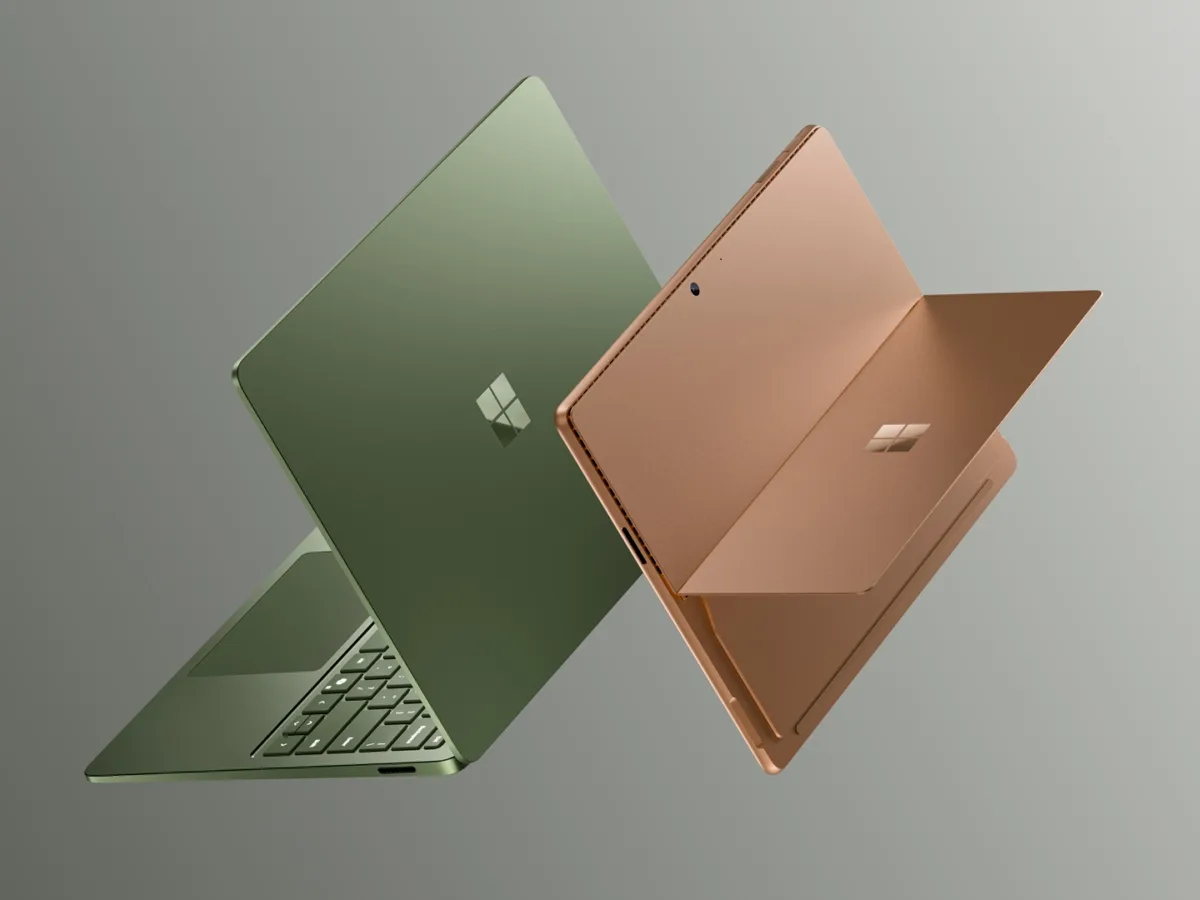
The 13-inch Surface Pro retains its signature 2-in-1 flexibility with an adjustable kickstand and optional keyboard, while adding a 1440p Quad HD front-facing camera with an ultrawide field of view. A new Dune colorway (a sparkling beige) joins the Pro lineup, while the 13.8-inch Laptop introduces a fresh Jade option, moving slightly away from the standard silver and black defaults of the premium market.
The Premium Tax on Next-Gen Processing
Microsoft is drawing a hard line between entry-level utility and premium performance. The AU$2,699 starting price for the 13-inch Surface Pro with Snapdragon X2 represents a massive jump from the AU$1,899 entry point of the previous 11th Edition. Furthermore, the fact that the Surface Pro Keyboard remains an optional, separate purchase means the true cost of a laptop-style setup easily crosses the AU$3,000 threshold.
While the 58 percent graphics boost and sharper 262 PPI display on the 15-inch laptop are compelling for creative professionals, everyday users might find the older Snapdragon X models offer better value. The introduction of the X2 chip solidifies the Surface line as a top-tier Windows hardware showcase, but it effectively abandons the mid-range market, leaving budget-conscious buyers to look toward older stock or competing brands.