Meta's Ambitious Push into Facial Recognition
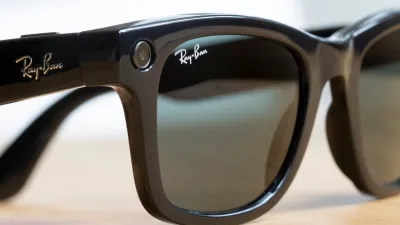
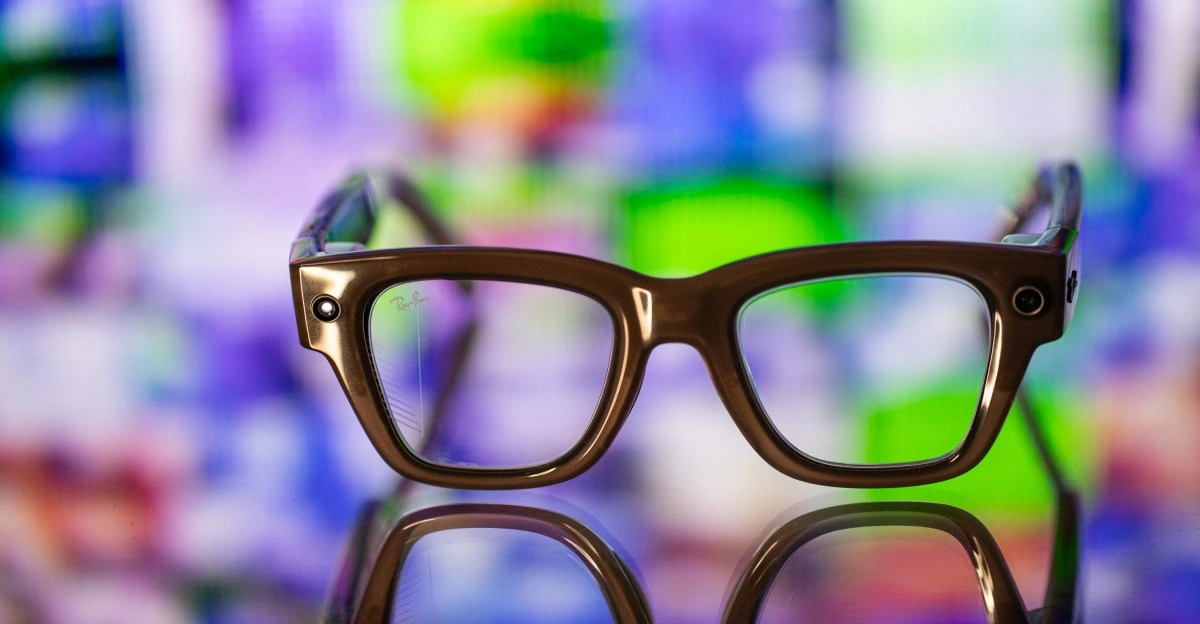
Meta is preparing to introduce facial recognition technology to its smart glasses lineup, including Ray-Ban and Oakley models, as early as this year. According to a New York Times report citing four sources familiar with the matter, the featureinternally dubbed 'Name Tag'would enable wearers to identify individuals in their field of view and retrieve information about them through Meta's AI assistant.
This move revives plans Meta previously shelved due to technical hurdles and ethical issues. The company considered including it in the initial Ray-Ban smart glasses launched in 2023 but backed off. Now, with over seven million units sold in 2025 by partner EssilorLuxottica, Meta sees an opportunity to differentiate its devices in a competitive market facing rivals like OpenAI and upcoming Apple smart glasses.
Why This Matters: Privacy in the Crosshairs
The integration raises profound privacy implications. 'Name Tag' could pull data from Meta's apps for connected contacts or public Instagram profiles, but sources emphasize universal stranger identification remains off-limits due to feasibility and risks. Meta has a history of retreating from controversial facial recognition, yet it's proceeding cautiously. An internal Reality Labs memo viewed by the NYT suggests timing the launch amid U.S. political instability, noting that advocacy groups might be preoccupied: "We will launch during a dynamic political environment where many civil society groups that we would expect to attack us would have their resources focused on other concerns."
For everyday users, this means glasses that not only capture 3K video and offer hands-free AI but also potentially tag faces in real-timea boon for networking or safety, but a nightmare for consent. Imagine attending a crowded conference: your glasses whisper a colleague's name and LinkedIn details as you scan the room. That's empowering for the wearer, but erodes anonymity for everyone else.
Historical Context and Past Hesitations
Meta's smart glasses, co-developed with EssilorLuxottica, have evolved rapidly. The Gen 2 Ray-Ban Meta models feature upgraded cameras, longer battery life, and open-ear speakers for calls and messaging. Yet facial recognition was absent from early versions. In 2021, plans were dropped over challenges; last year, Meta skipped unveiling it at a conference for the visually impaired despite potential accessibility benefits.
Real-world misuse has already surfaced. In 2024, Harvard students paired Ray-Ban Meta glasses with PimEyes software to identify subway strangers, sparking a viral video. Meta highlighted the recording LED indicator as a safeguard, but critics argue visible cues fall short against discreet AI processing.
- Key safeguards considered: Limit to known contacts via Meta apps.
- Public profile integration: Possible for Instagram data.
- No broad database: Universal lookup deemed unviable.
A Realistic Scenario: Everyday Encounters Enhancedor Invaded
Picture a sales professional at a trade show. Spotting a potential client across the hall, their Ray-Ban Meta glasses vibrate softly: "That's Alex Rivera, VP at TechCorp, follows your posts on AI ethics." A quick connection request follows, streamlining business. For the sighted, it's like augmented super-memory; for the visually impaired, a game-changer in navigation. But from Alex's view, it's unsolicited surveillance, amplifying power imbalances in social settings.
Meta's statement underscores deliberation: "We're building products that help millions of people connect and enrich their lives... we're still thinking through options and will take a thoughtful approach."
Forward-Looking Implications: AR Arms Race Heats Up
Success could propel Meta ahead in the smart glasses race, where Apple plans a late-2026 launch and Google eyes Android XR integration. Mark Zuckerberg views it as key to making AI assistants indispensable, potentially unlocking new revenue via premium features. However, backlash looms. Privacy advocates, even distracted, could mobilize post-launch, echoing past scrutiny under GDPR and U.S. data laws. Regulators might demand opt-in consent or bans on public scans, reshaping wearable AI ethics.
Broader industry ripple: Competitors may accelerate similar tech, normalizing facial ID in daily wearables. Users benefit from contextual awarenessnames, remindersbut at the cost of eroded privacy norms. For the average person juggling work and social life, this blurs lines between helpful augmentation and invasive tracking, urging proactive policy.
Meta's bet hinges on execution: robust privacy controls could win trust; shortcuts invite bans. As glasses evolve toward 'super-sensing' with constant recording, society must adapt, prioritizing human dignity amid AI convenience.