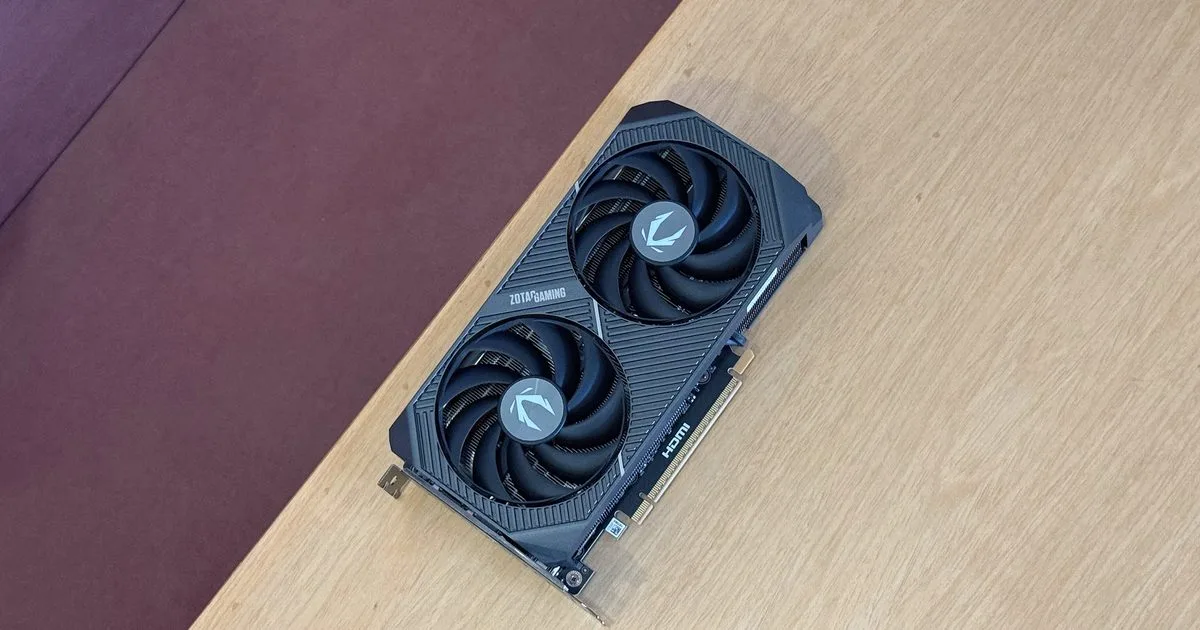
PC builders eyeing the rumored Nvidia RTX 5060 Ti 9GB might face a frustrating trade-off between memory capacity and raw bandwidth. The upcoming mid-range graphics card is reportedly adopting a highly unconventional memory configuration, leveraging new 3GB GDDR7 modules to increase total VRAM. However, this capacity bump comes at a steep cost to the card's memory bus, potentially bottlenecking performance in demanding titles.
The Shift to 3GB GDDR7 Modules
According to reports from the Chinese Board Channels forums, cited by Wccftech, Nvidia is preparing a fresh variant of the GeForce RTX 5060 Ti, alongside a standard RTX 5060, equipped with 9GB of GDDR7 memory. This marks a departure from the traditional 8GB baseline seen in current mid-tier offerings. The core of this strategy relies on denser 3GB memory modules currently ramping up production at Samsung and Micron.
By utilizing three 3GB modules instead of four 2GB modules, board partners can increase the overall VRAM capacity without requiring a wider memory bus or a complex, expensive board redesign. On paper, a 9GB graphics card sounds like a highly marketable upgrade for gamers tired of hitting VRAM limits in modern titles.
The Bandwidth Bottleneck
The critical flaw in this rumored configuration lies in the memory interface. Dropping from four modules to three means the Nvidia RTX 5060 Ti 9GB would likely be forced onto a narrower 96-bit memory bus, down from the 128-bit interface utilized by current models.
| Specification | Current 8GB Configuration | Rumored 9GB Configuration |
|---|---|---|
| Memory Modules | Four 2GB Modules | Three 3GB Modules |
| Memory Bus | 128-bit | 96-bit |
| Estimated Bandwidth (at 28 Gbps) | 448 GB/s | 336 GB/s |
If Nvidia maintains memory speeds at 28 Gbps, total bandwidth would plummet to an estimated 336 GB/s. Even if the company pushes the GDDR7 speeds to 30 Gbps, the bandwidth would still fall significantly short of the 448 GB/s delivered by existing 128-bit cards. This compromise suggests Nvidia is prioritizing cheaper paths to higher capacities over raw data throughput.
Additionally, rumors indicate that laptop RTX 5090 configurations are already testing these 3GB VRAM modules. This hints at a broader architectural shift across the entire RTX 50-series lineup, as manufacturers look for cost-effective ways to scale memory.
My Take: Marketing Over Performance?
This rumored 9GB configuration feels like a classic case of prioritizing marketing optics over genuine performance gains. While 8GB of VRAM has become a notorious bottleneck for modern 1080p and 1440p gaming, adding a single gigabyte at the expense of a 25% reduction in memory bus width is a dangerous gamble. In memory-intensive scenarios, the severe drop to 336 GB/s bandwidth will likely negate any benefits provided by the extra capacity.
Ultimately, this move appears to be a direct response to ongoing VRAM shortages and pricing pressures. By adopting 3GB modules, Nvidia and its board partners can advertise higher capacities while simultaneously cutting manufacturing costs. If these rumors hold true, gamers will need to look closely at independent benchmarks before upgrading, as the bigger number on the retail box might actually deliver a slower gaming experience.