Valve has officially rolled out a major SteamOS update, introducing foundational support for the highly anticipated Steam Machine while delivering immediate performance boosts for Steam Deck users. The patch overhauls display protocols and significantly accelerates future OS download speeds on high-speed connections.
Following a series of beta tests, the update takes a critical step toward Valve's delayed summer hardware release. It also addresses several core system behaviors, making it a vital installation for current handheld owners and future desktop hybrid adopters alike.
Key Features in the Latest SteamOS Patch
- Faster Updates: The system now allows for substantially improved speeds when downloading future OS updates on high-speed connections.
- Display Upgrades: Thanks to a switch in the Linux display server protocol, the OS now supports external HDR and VRR (Variable Refresh Rate) displays, alongside better scaling for Desktop mode on TVs.
- Hardware Compatibility: Valve has improved support for specific USB racing wheels and devices that boot in non-standard modes.
- Performance Fixes: The patch resolves several instances of reduced performance in Desktop Mode compared to Game Mode, and tunes the overall stability of the SteamOS graphics driver.
- Controller Wake: Users can now wake their system from sleep using a connected Steam Controller.
Steam Deck BIOS Updates and GPU Management
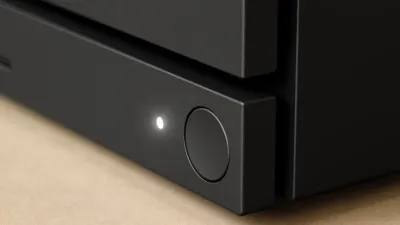
Both the Steam Deck LCD and OLED models are receiving new BIOS versions. For LCD owners, Valve has added preliminary support for hibernation. Meanwhile, the OLED model features a quality-of-life tweak: the charging indicator light now turns green when the device reaches the user's preferred charge limit, rather than waiting until it hits 100%.
Looking beyond Valve's proprietary hardware, the update greatly improves video memory management on discrete GPU platforms. It also enhances overall compatibility with recent Intel and AMD systems, ensuring smoother operation for custom PC builds running the OS.
The Missing Link for Valve's Hardware Ecosystem
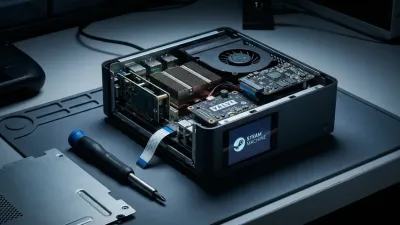
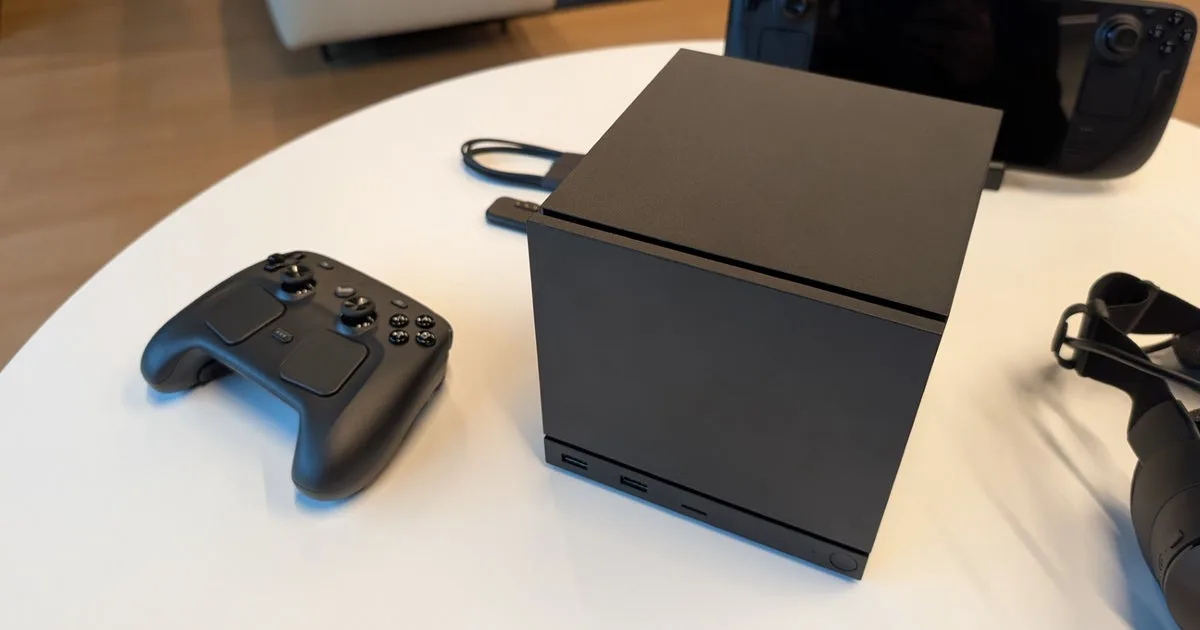
The inclusion of "initial" support for the delayed Steam Machine signals that Valve is actively laying the software groundwork ahead of a summer hardware launch. However, the patch notes are notably silent on Steam Frame, Valve's rumored VR headset. By prioritizing discrete GPU memory management and external VRR displays now, Valve is clearly positioning SteamOS as a versatile living room platform capable of scaling from handhelds to high-end desktop hybrids.
If the Steam Machine can capitalize on these display and memory optimizations, it could pose a serious threat to traditional console ecosystems. The ultimate success of this strategy will depend heavily on whether Valve can keep hardware pricing competitive in a market currently strained by component shortages and high memory costs.
This article was written by AI from reporting by rockpapershotgun.com.