Genesis Magma GT Under Scrutiny
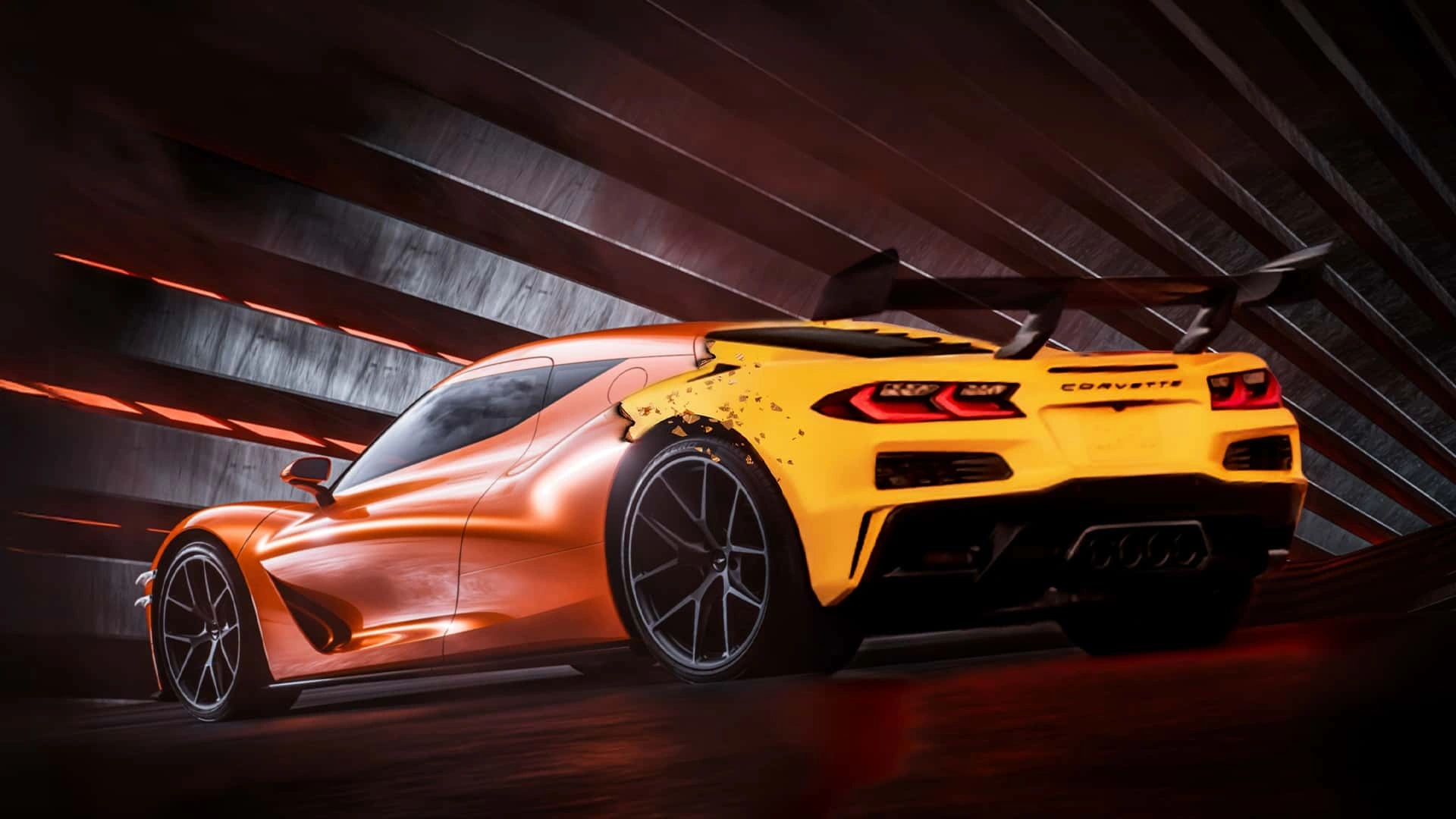
The Genesis Magma GT, unveiled as a high-performance mid-engine supercar concept, has sparked intense debate after reports claimed it is essentially a Chevrolet C8 Corvette with Genesis styling. Presented at an event at the Paul Ricard circuit in France, the car drove onto the stage under its own power, featuring a rumbling twin-turbo V8 sound that echoed the C8 Stingray's LT2 engine. However, detailed comparisons of structural elements suggest Genesis may have repurposed an existing platform rather than engineering one from scratch.
Structural Similarities with C8 Corvette
Key evidence includes matching front radiator mounting points and end shape tanks between the Magma GT and C8 Corvette. Rear brake mounting locations align closely, and the rear subframe appears virtually identical, with shared mounting solutions. Tire sizes275/30ZR20 front and 345/25ZR21 rearmatch the Corvette Z06 exactly. Even subtle interior clues, like the pronounced central driveline tunnel, mirror the C8's design, which accommodates hybrid battery packs in some models.
- Front radiators: Similar mounting and tank shapes.
- Rear subframe: Common architecture and mounts.
- Suspension geometry: Aligned pickup points front and rear.
- Wheel positioning: Identical stance within arches.
Genesis claims a twin-turbo V8 for the production version, but provides no specifics on displacement or output. The brand lacks a high-performance V8 in its lineup, fueling speculation of a GM-sourced engine like the C8's.
X Skorpio: Rally Fighter Reimagined?
The Genesis X Skorpio concept, an off-road racer with 1,100 horsepower from a claimed V8, shows equally compelling ties to the Local Motors Rally Fighter. CAD overlays confirm a shared 115.0-inch wheelbase, common in such vehicles but notable here. Rear control arms and exhaust manifold configurations are nearly indistinguishable.
- Tubular frame: Matching upward-sloping transmission tunnel.
- Steering wheel: Momo unit like the original, rewrapped with Genesis badge.
- Engine: Likely 6.2-liter LS3 V8, upgraded for power.
The Skorpio's high-riding stance and sleek bodywork retain Rally Fighter DNA, accented by Genesis's signature two-line design language.
Why Use Existing Platforms?
Concept cars often prioritize showmanship over functionality, serving as non-drivable shells to preview design directions. Building a fully operational powertrain and suspension demands significant resources, which many brands avoid for one-off displays. Genesis's decision to create drivable concepts signals ambition in the performance segment, positioning the Magma GT as a potential Ferrari rival and the Skorpio for extreme off-road racing.
Yet, this approach invites criticism. If confirmed, it undermines claims of in-house innovation, especially since Genesis drove the Magma GT onstage, implying more originality than a simple rebody job. The C8 Corvette itself revolutionized GM with its mid-engine layout and aluminum spaceframe, making it an attractive donor for quick supercar concepts.
Industry Context and Implications
Genesis, Hyundai's luxury arm, has aggressively expanded into performance with models like the GV60 Magma and G70. The Magma GT concept hints at a supercar future, but reliance on proven chassis like the C8known for its twin-turbo LT7 in the ZR1could accelerate development while cutting costs. Similarly, the Rally Fighter's niche off-road prowess fits Genesis's exploration of extreme vehicles.
For enthusiasts, the controversy highlights automotive realities: concepts test ideas, not always production blueprints. If production ensues, Genesis may refine these platforms with proprietary engines and tweaks. The engine note heard at reveal closely resembles the C8 Stingray, supporting the theory without definitive proof from Genesis.
Genesis's Performance Push
These concepts align with Genesis's Magma sub-brand, focusing on track-capable variants across its lineup. The Magma GT's aggressive styling and mid-engine promise challenge the C8 directly, while the Skorpio targets Baja-style racing. Whether shortcuts or smart engineering, they showcase Genesis entering premium performance territory dominated by European icons.
Side-by-side spy photos and engineering overlays provide the strongest case, with suspension, cooling, and chassis details too precise for coincidence. As Genesis remains silent, the automotive world watches for official clarification or production teases.
This article was written by AI from reporting by motor1.com.