The Linux and open-source ecosystem is rolling out a massive wave of updates this month, bringing critical AI tools, kernel upgrades, and hardware refreshes to power users. Whether you are compiling code on a new System76 laptop or flashing the latest Raspberry Pi OS, staying current is essential for maximizing performance. This guide is designed for Linux enthusiasts, developers, and edge computing engineers who need to integrate the latest open-source tools into their workflows.
By upgrading to these new releases, users can unlock hardware-accelerated AI features, broader device support, and enhanced system stability. The shift toward local processing means that keeping your operating systems and firmware updated is no longer just about security - it is about accessing enterprise-grade capabilities on consumer hardware.
How to Leverage New Linux Hardware and Edge AI
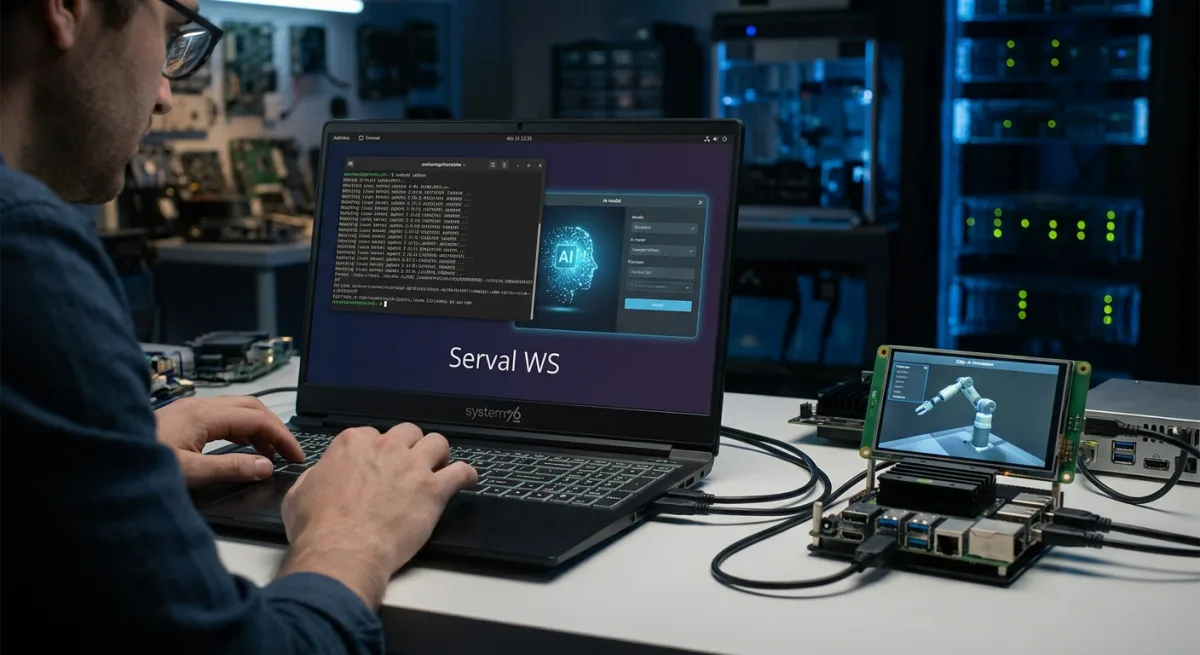
- Deploy the System76 Serval WS refresh: Upgrade to the newly refreshed laptop featuring Intel Core Ultra Series 2 CPUs. This enables massive processing power, offering either the 24-core Intel Core Ultra 9 290HX Plus at 5.5 GHz or the Ultra 9 275HX at 5.4 GHz.
- Implement NVIDIA JetPack 7.2 for edge applications: Install the latest JetPack release on Jetson Orin and Jetson Thor systems. This ensures official Yocto Project support and adds NemoClaw tools for agentic AI workloads in robotics and industrial automation.
- Prototype with the Nordic nRF54L15 Tag: Utilize this 33 mm dual-antenna board for low-power wireless development. This enables the creation of asset tags and smart wearables targeting Apple Find My and Google Find Hub networks.
- Mount the Olimex LCD7-PANEL-LIME2: Integrate this ready-to-mount Linux touch panel computer into your physical projects. This provides a seamless all-in-one package combining a 7-inch capacitive touchscreen, mounting brackets, and an A20-based Linux board.
How to Upgrade Core Operating Systems and Software
- Flash the latest Raspberry Pi OS: Update your Raspberry Pi devices to the newest operating system release. This ensures your system runs on the upgraded Linux 6.18 LTS kernel, moving away from the older 6.12 LTS version ahead of the Debian 13 transition.
- Use Raspberry Pi Imager 2.0.10: Download the latest imager tool for writing your OS to an SD card. This enables better Wi-Fi SSID handling during OS customization and improves reliability by removing the REST Countries API dependency.
- Edit RAW images with Darktable 5.6: Install the new open-source image editor and run the included setup scripts for Linux or Windows. This enables a new optional AI subsystem and an AI object mask tool, complete with GPU acceleration detection.
- Install postmarketOS 26.06: Deploy this Alpine Linux 3.24-based OS on compatible mobile devices and Chromebooks. This provides access to GNOME 50, KDE Plasma Mobile 6.6.5, Phosh 0.55.0, and Sxmo 1.18.1, while adding support for devices like the Google Asurada Chromebook and PINE64 PineNote.
Other Notable Ecosystem Updates
To guarantee complete coverage of this month's ecosystem changes, here are the remaining software and firmware updates you should track:
- ESP32 Bit Pirate: Formerly the Bus Pirate, this ESP32-S3-based firmware platform now includes a WiFi Hotspot mode, Pirate Assistant, and Web Flasher for debugging wired protocols.
- Solid Sands Webinars: The compiler testing provider is hosting sessions starting June 24, 2026, focusing on robotics software infrastructure and C++ library qualification.
- Shelly 2.4 GUI Package Manager: The Arch Linux tool introduces Zsh completions, a pacman-style shortcode interface, and improved AppImage support with UI update notifications.
- PorteuX 2.7: The Slackware-based OS now runs on the Linux 7.1 kernel and offers standalone flavors for KDE Plasma 6.7, GNOME 50.2, COSMIC 1.0.16, MATE 1.28.2, LXDE 0.11.1, and Xfce 4.20.
- SparkyLinux 2026.06: Based on Debian 14, this rolling release defaults to the Linux 7.0 kernel but includes official support for installing Linux 7.1.
The Edge AI and Kernel Acceleration Shift
The sheer volume of updates across the Linux ecosystem this month highlights a rapid acceleration in both edge AI deployment and kernel adoption. NVIDIA’s JetPack 7.2 and the Nordic nRF54L15 Tag demonstrate that hardware manufacturers are aggressively pushing AI inference out of the cloud and directly onto local, low-power devices. By integrating tools like NemoClaw and Matter support natively, developers can now build autonomous robotics and tracking networks with significantly lower latency.
Simultaneously, the software side is moving at a breakneck pace. The fact that community-driven projects like PorteuX 2.7 and SparkyLinux 2026.06 are already shipping with or supporting the Linux 7.1 kernel shows that users no longer have to wait for enterprise distributions to access cutting-edge hardware support. Even the Raspberry Pi OS has made a massive leap to the Linux 6.18 LTS kernel. This convergence of rapid kernel integration and localized AI tools means open-source developers now have enterprise-grade capabilities running entirely on local hardware.