The ongoing memory crisis is showing no signs of slowing down, meaning gamers hoping for a drop in gaming hardware component prices are in for a rude awakening. Driven by insatiable demand from AI datacenters, the cost of essential components like RAM and storage continues to surge, threatening to push the price of gaming consoles and handhelds even higher.
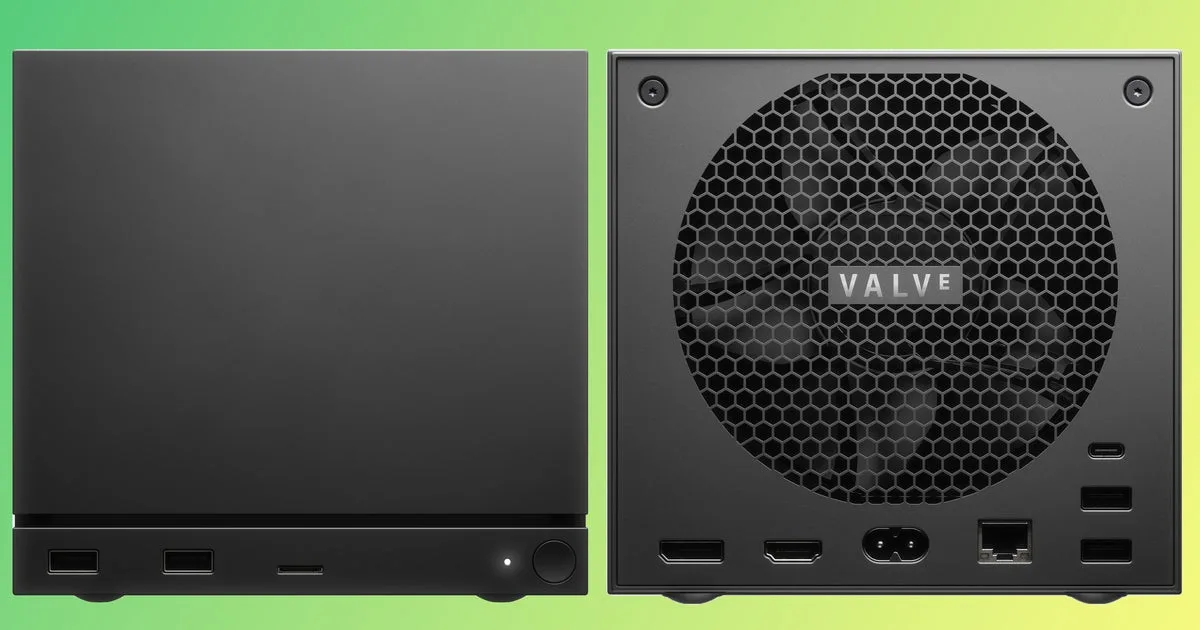
Valve recently experienced this firsthand with the launch of its new Steam Machine, which hit the market at a steep £879 ($1,049) - a baseline price the company admitted was significantly higher than originally planned. Unfortunately, the situation behind the scenes is deteriorating.
Honestly, it's still getting worse. Just in case people are not aware. What people are seeing on retail shelves right now, from our observations, is lagging what we're seeing from a bulk supply by at least three to six months.
- Yazan Aldehayyat, Valve
The AI Datacenter Squeeze on Component Costs
Aldehayyat’s warning strongly suggests that future hardware, including the Steam Deck, could face imminent price adjustments. This component squeeze is not isolated to Valve, as the entire industry grapples with the fallout of the memory shortage.
Microsoft recently announced a significant price increase across its entire Xbox Series X/S lineup, effective August 1. More alarmingly, Microsoft projects that component costs could double again by the autumn of 2027, setting the stage for a prolonged era of expensive gaming hardware.
Sony has already implemented multiple price hikes for the PlayStation 5 over its lifecycle. Meanwhile, Nintendo is preparing for a Switch 2 price increase scheduled to take effect on September 1.
The Hidden Cost of the AI Boom
The gaming industry is becoming collateral damage in the tech sector's aggressive pivot toward artificial intelligence. As enterprise giants buy up global supplies of high-speed memory and storage for AI datacenters, consumer electronics manufacturers are left fighting over scraps at a premium.
Microsoft's projection that component prices will double by 2027 is the most telling signal here; it indicates that the traditional console lifecycle - where hardware gets cheaper to produce over time - is fundamentally broken. If this supply chain crisis does not stabilize, the $500 baseline for a premium gaming console will soon be a relic of the past, forcing players to either absorb the cost or shift entirely toward cloud gaming alternatives.
This article was written by AI from reporting by eurogamer.net.