

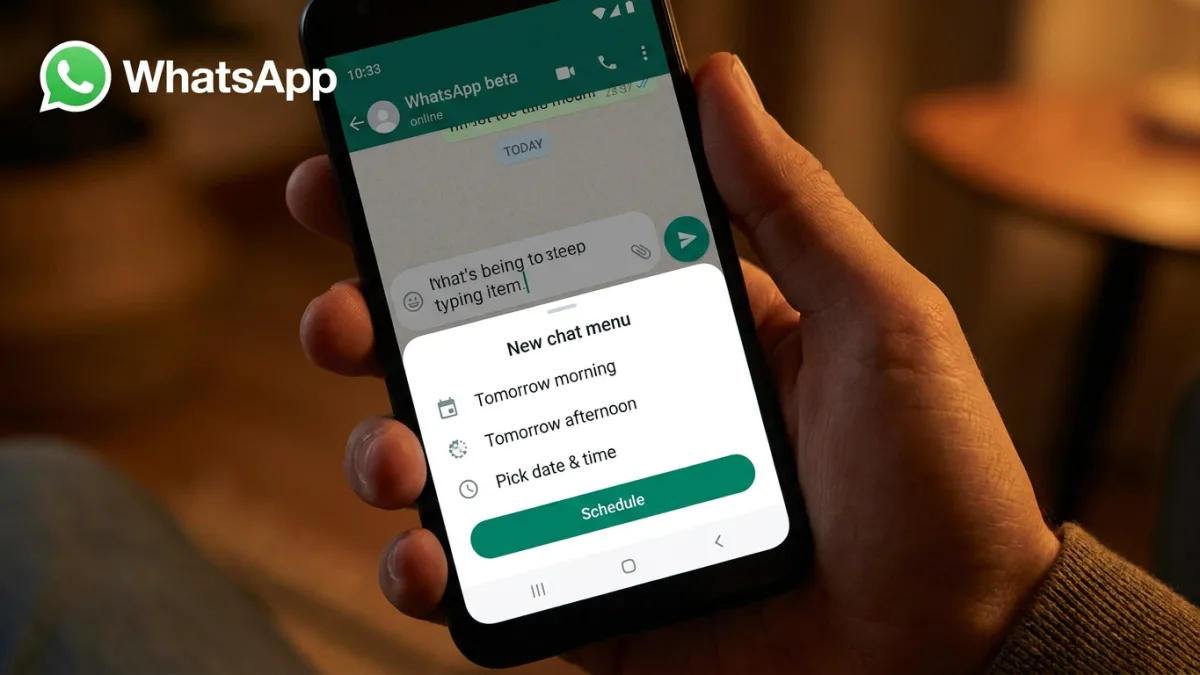
WhatsApp is currently beta testing a new feature that allows users to schedule messages to be sent at a later time. According to WABetaInfo, the capability is rolling out to select Android users enrolled in the app's beta program.
How scheduled messages work
The new scheduling tool supports texts, photos, and videos. The feature works even when you are offline, meaning your scheduled messages will still send without a Wi-Fi or cellular connection. You can schedule texts in both one-on-one and group chats, and all scheduled messages maintain end-to-end encryption.
Writing for Lifehacker, Jake Peterson notes that while apps like Telegram and iMessage already offer scheduled texts, Meta does not appear to have any plans to bring the feature to Messenger.
How to get the WhatsApp beta
At this time, Meta is only testing scheduled messages on WhatsApp for Android. To get a chance to try the feature early, you need to enroll in the beta program.
- Head to WhatsApp's official beta tester page on the Google Play Store.
- Make sure you are logged into your Google Account, then enroll in the beta.
- Head back to the official WhatsApp Play Store page to download the new beta update.
How to schedule a message
Once you are on the WhatsApp beta, you can check if the feature is available on your device by following these steps:
- Craft a new message in any chat.
- Tap and hold on the send button.
- Cycle through the pop-up menu to select a date and time. You can choose to send the message in as little as 10 minutes, or as long as two weeks.
- Tap the green schedule button at the bottom of the menu.
To manage all scheduled texts in a thread, tap the contact or group name at the top of the window, then tap "Schedule messages".
Who can try it right now?
The current test is quite limited, and only select users are receiving the feature. Enrolling in the WhatsApp beta does not guarantee that you will get the scheduling tool immediately, but it is required if you want a chance to try it out early.
This article was written by AI from reporting by lifehacker.com.