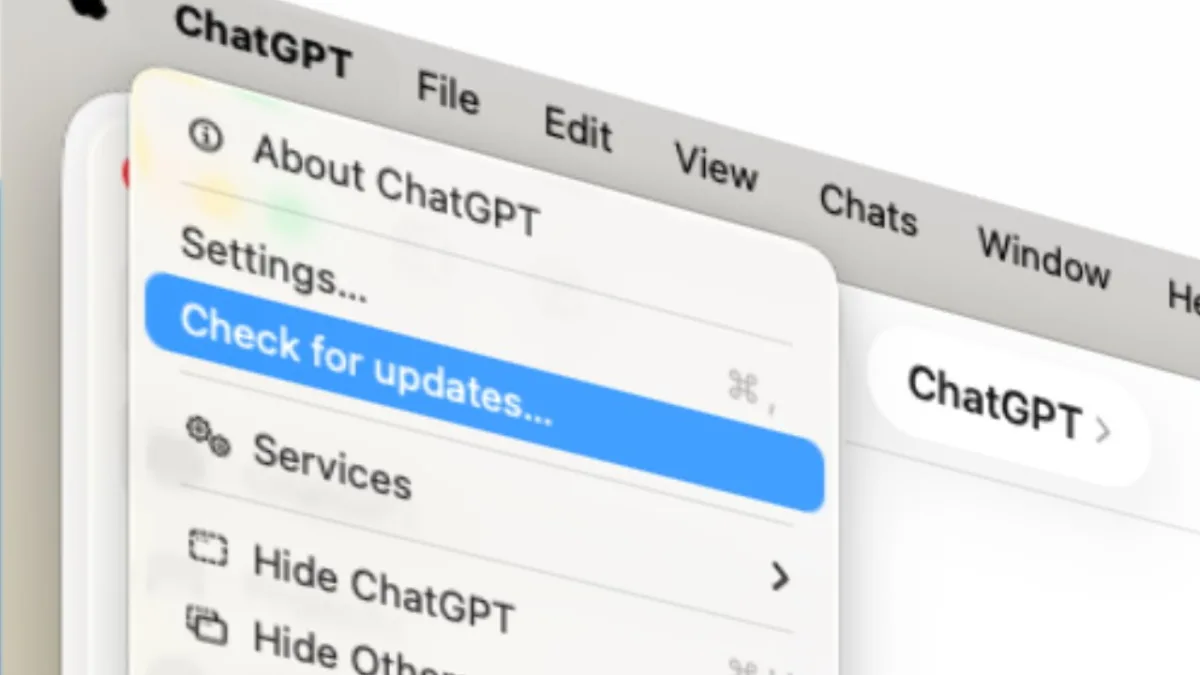
If your Mac suddenly flagged the ChatGPT desktop app as malicious and unceremoniously dumped it into the Trash, you are not alone. A wave of macOS users are encountering a sudden ChatGPT Mac malware warning, but the root cause is a proactive security measure rather than an actual virus infection. The system is functioning exactly as designed to protect your machine from a potential supply chain vulnerability.
The issue stems from Apple's built-in anti-malware system, Xprotect. As reported by users worldwide on social media, Xprotect is actively blocking the application from launching. This is happening because OpenAI intentionally revoked the app's notarization certificate following a recent industry incident. According to a blog post by OpenAI, the company identified a security vulnerability involving a third-party developer tool called Axios.
"Out of an abundance of caution we are taking steps to protect the process that certifies our macOS applications are legitimate OpenAI apps," the company stated. To prevent bad actors from potentially exploiting this compromised tool to distribute fake, malicious versions of the software, OpenAI invalidated the old certificates. Users were warned to update urgently by May 8, 2026, but those who missed the window are now left with an un-notarized app that macOS refuses to trust.
How to Resolve the ChatGPT Mac Malware Warning
- Prerequisite: Ensure you have your OpenAI account login credentials handy, as you will need to sign back in.
- Empty the flagged application from your system. This ensures that the outdated, un-notarized version of ChatGPT or ChatGPT Atlas is completely removed from your Mac's Trash.
- Navigate to the official OpenAI website to download the latest macOS client. This guarantees you are receiving the newly certified application directly from the developer, bypassing any compromised supply chains.
- Install the fresh download and log back into your account. This restores your access to the AI assistant with the updated security certificates that macOS Xprotect recognizes as legitimate.
The Silent Power of Xprotect
While having your daily AI tool suddenly quarantined is frustrating, this incident is a perfect demonstration of macOS security functioning exactly as intended. Apple's Xprotect operates so quietly in the background that most users forget it exists until a crisis forces its hand. By instantly recognizing that OpenAI's digital signature was no longer valid, the system successfully neutralized what could have been a massive attack vector.
Furthermore, OpenAI's aggressive approach to certificate revocation sets a strong industry standard. Choosing to break the app for users who missed the May 8 deadline, rather than risk a compromise, highlights how vulnerable modern software is to third-party dependencies like Axios. In an era where AI applications require deep system access to function effectively, prioritizing absolute cryptographic trust over temporary user convenience is the only responsible path forward.