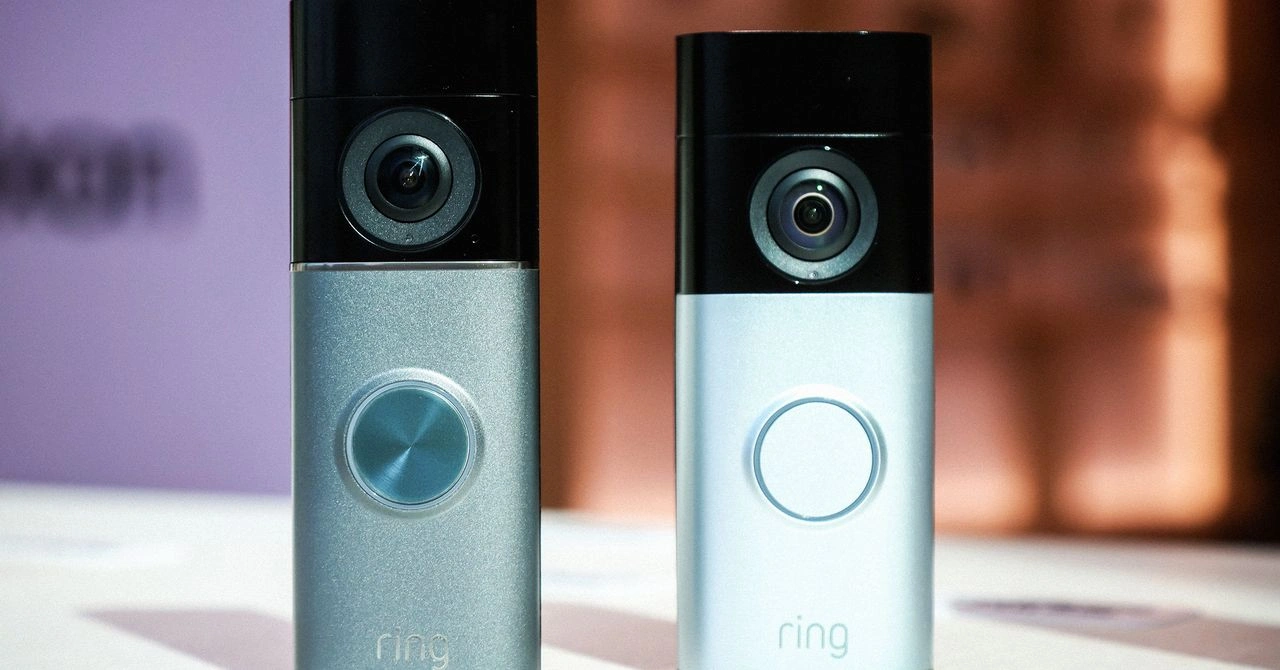
The battle for digital privacy has entered a new phase with the Fulu Foundation officially announcing a $10,000 bounty for any developer capable of severing the data tether between Ring cameras and Amazon's cloud infrastructure. This initiative targets the core of the modern smart home business model, which often forces users into subscription-based cloud storage while denying them true ownership of the hardware they purchased. The foundation, known for combating "user-hostile" software features, is specifically seeking a reproducible method to enable local video storage and streaming on Ring devices without sending a single byte of data to Amazon servers.
This challenge highlights a growing tension in the Internet of Things (IoT) sector, where hardware is increasingly treated as a service delivery mechanism rather than a standalone product. For security-conscious users, the inability to store footage locally on a NAS (Network Attached Storage) or SD card represents a significant vulnerability, as it leaves their private data susceptible to subpoenas, cloud breaches, and corporate surveillance. The bounty requires a solution that is not just a theoretical exploit, but a functional firmware modification or network-level intercept that average technical users can deploy to reclaim control over their home security feeds.
The Technical Challenge: Breaking the Cloud Dependency
Ring devices are notoriously locked down, utilizing secure boot processes and encrypted firmware to prevent unauthorized modifications. To claim the bounty, a hacker must bypass these protections to enable features like RTSP (Real-Time Streaming Protocol) or ONVIF support, which are standard in professional security cameras but conspicuously absent from Ring's consumer lineup. This absence is not a hardware limitation but a deliberate software choice designed to funnel users into the Ring Protect subscription plan.
The technical hurdles are significant. The solution must ensure the camera remains functional for live viewing and recording without communicating with Amazon's cloud. This involves reverse-engineering the device's communication protocols and potentially rewriting portions of the embedded operating system. The Fulu Foundation has stipulated that the hack must be open-source and documented, ensuring that the wider privacy community can benefit from the breakthrough. This is not just about saving money on subscriptions; it is about proving that users have the right to modify the hardware they own to serve their interests, not the manufacturer's.
Implications for Smart Home Privacy
If successful, this project could set a precedent for the "Right to Repair" and "Right to Modify" movements within the smart home industry. Currently, millions of households rely on cameras that effectively act as surveillance nodes for big tech companies. By enabling local control, users can ensure that video feeds of their living rooms and front porches never leave their local network. This shift is particularly critical given past controversies surrounding Ring's partnerships with law enforcement agencies, where footage could be accessed without a warrant under specific emergency circumstances.
| Feature | Standard Ring Firmware | Bounty Goal (Modded) |
|---|---|---|
| Data Storage | Amazon Cloud (Subscription) | Local (SD/NAS/Home Server) |
| External Access | Amazon Employees/Law Enforcement (Potential) | User Only (Zero External Access) |
| Subscription Cost | Monthly Fee Required for History | $0 (One-time hardware cost) |
| Protocol Support | Proprietary | Open Standard (RTSP/ONVIF) |
Actionable Steps: How to Secure Your Current Setup
While waiting for a successful jailbreak, users can take immediate steps to enhance their privacy with existing Ring devices. These measures do not replace local storage but minimize data exposure.
- Enable End-to-End Encryption: Navigate to the Control Center in the Ring app and activate Video End-to-End Encryption. This ensures Amazon cannot view your videos, though it disables some features like Alexa integration.
- Audit Linked Accounts: Regularly check the "Authorized Client Devices" section to remove old phones or tablets that no longer need access.
- Restrict Third-Party Service: Disable connections to unnecessary third-party services in the privacy settings to reduce the digital footprint of your device.
Frequently Asked Questions
Is it legal to hack my own Ring camera?
Generally, yes. In the US, exemptions to the DMCA allow users to modify firmware for security, interoperability, and repair, provided they do not distribute copyrighted code or use the hack for malicious purposes.
Will this hack void my Ring warranty?
Absolutely. Modifying the firmware or opening the hardware casing violates the terms of service and will void the manufacturer's warranty immediately.
Why doesn't Ring offer local storage officially?
Ring's business model relies heavily on recurring subscription revenue from cloud storage plans. Offering local storage would cannibalize this revenue stream and reduce their long-term profitability.
My Take
The Fulu Foundation's bounty is a necessary disruption in a tech landscape that has become too comfortable with the "hardware as a service" model. We have reached a point where we rent the functionality of the devices we ostensibly own. If a developer claims this prize, it will not just be a technical victory; it will be a powerful statement that privacy is a feature, not a luxury add-on. I expect Amazon to patch any exploits found rapidly, creating a cat-and-mouse game, but the community demand for local-only smart home tech is undeniable and growing.
This article was written by AI from reporting by app.buzzsumo.com.