The era of treating content creators as a cheap alternative to traditional television advertising is officially over. Driven by massive creator economy investments, major platforms like Amazon and Meta are rapidly re-engineering their core infrastructures to capture a share of this booming market. With institutional capital now acquiring creator-led businesses outright, the landscape has shifted from experimental sponsorships to permanent, high-stakes media buys.
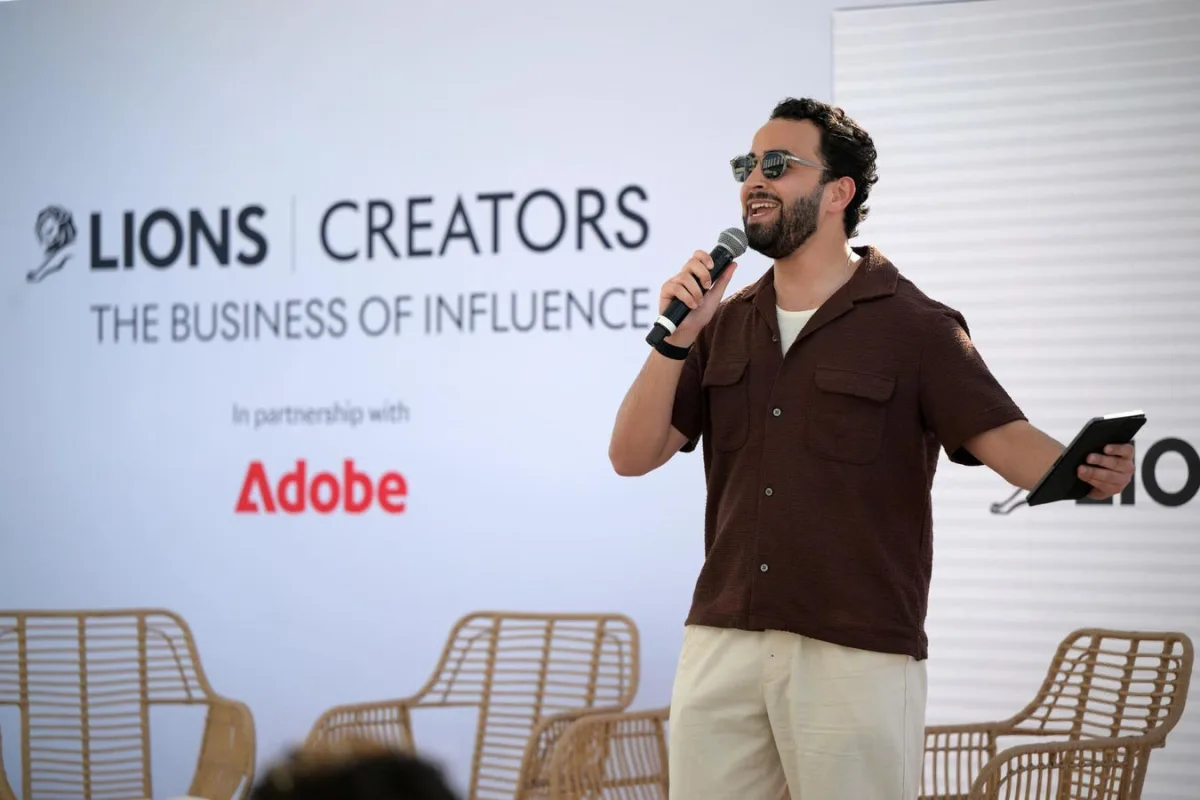
This fundamental shift was the underlying narrative at the recent Cannes Lions 2026 festival. While the visible story focused on record-breaking creator attendance, the real industry movement happened behind closed doors. Tech giants and private equity firms are no longer just partnering with digital talent; they are building permanent pipelines to own and monetize their output at scale.
The Blurring Lines of Social and Streaming
The distinction between a connected-TV interface and a social media feed is rapidly dissolving as platforms compete for the same creator output. Amazon recently utilized its presence at Cannes to launch the Fire TV Creator Hub, a dedicated section of its interface designed to surface video and podcast content from platforms like YouTube and TikTok. The service launched with over 120 creators, with an aggressive target to reach 500 by 2027.
Simultaneously, Instagram confirmed it is testing a widescreen mode specifically built for televisions, alongside experiments with longer, episodic formats. This creates a fascinating industry paradox: a connected-TV product is attempting to behave like a social feed, while a traditional social feed is trying to mimic a television broadcast. For creators, this convergence represents a massive surge in demand, as more screens actively compete to host their content.
Meta and the $10 Billion Ad Shift
Brand partnerships have evolved from experimental marketing budgets into rigorous, permanent media plans. Meta revealed that its partnership ads, which allow brands to convert creator content directly into paid media, hit a $10 billion revenue run rate in the first quarter of 2026. This figure represents more than double the revenue generated in the previous year, signaling a massive shift in how digital advertising is purchased.
To support this scale, platforms are rapidly deploying new infrastructure to facilitate these transactions. LinkedIn launched its first Creator Marketplace on June 10, while Meta merged its own marketplace directly with its partnership ads hub. Meanwhile, TikTok rolled out custom creator networks, enabling brands to build curated pools of talent for direct briefing and long-term campaigns.
Institutional Capital Enters the Chat
The clearest evidence that the creator economy has matured into a pricing event came from two major financial deals that landed during the week of Cannes. On June 8, consulting giant Accenture agreed to acquire the creator agency Whalar, integrating it into Accenture Song. Whalar's leadership described the move as the largest creator economy transaction to date.
Just two days prior, CAA and TPG's Integrated Media Company formed Compound Creative Holdings. This $250 million vehicle was explicitly built to acquire and operate creator-led media businesses emerging from platforms like YouTube, TikTok, Instagram, Spotify, and Substack. These moves indicate that private equity and consulting firms now view creator businesses as highly profitable assets worth owning outright.
AI Tensions and the Exclusivity Battle
Despite the financial boom, the industry is grappling with a deep mistrust of the very tools it is celebrating. Award entries at Cannes Lions 2026 fell 25% year-over-year, dropping from 26,900 to roughly 20,050. This significant decline was a direct result of the festival introducing stricter Awards Integrity Standards following a 2025 scandal involving agencies faking campaign results with artificial intelligence.
A similar tension is emerging regarding where creator content is allowed to live. Jay Shetty recently transitioned his video podcast to an exclusive deal with Netflix and Spotify worth up to $100 million, effectively ending his full-episode uploads to YouTube. While platforms are increasingly demanding exclusivity to justify massive payouts, many creators are still hesitant to sacrifice their broad organic reach.
The End of the Independent Creator Myth
The influx of private equity and consulting giants into the creator space signals the inevitable corporatization of the "independent" creator. As platforms demand strict exclusivity - evidenced by the massive $100 million Shetty deal - and agencies consolidate top talent, mid-tier creators will soon face a stark choice: sign with a media conglomerate or get algorithmically buried. The days of building a massive business solely through organic viral growth are rapidly closing.
Furthermore, Meta's staggering $10 billion run rate for partnership ads proves that organic reach is being systematically replaced by a pay-to-play dynamic. Brands are no longer relying on a creator's natural audience; they are simply using the creator as a production house and paying the platform to distribute the content. This fundamentally alters how new creators can break into the market, shifting the power dynamic heavily back into the hands of the tech platforms and institutional investors.